

Working Principle and Features of Continuous Quantitative Material Conveying Lines
Continuous quantitative material conveying lines are advanced industrial equipment designed to transport bulk materials with high precision and efficiency. These systems are widely used in various industries such as pharmaceuticals, food processing, chemicals, and manufacturing, where accurate material handling is critical for product quality and process control. The following content will explore the working principle and key features of these lines, providing a comprehensive understanding of their functionality and benefits.
Company Introduction
HeadPowder, a leading manufacturer in the field of material handling solutions, specializes in the design, development, and production of high-quality continuous quantitative material conveying lines. With a strong commitment to innovation and customer satisfaction, the company has established itself as a trusted partner for businesses seeking reliable and efficient material handling systems. HeadPowder's products are engineered to meet the diverse needs of modern industrial applications, ensuring optimal performance and durability. The company is headquartered in Shandong, China, where it operates its manufacturing facilities and research centers, leveraging local expertise and resources to deliver superior solutions.
Working Principle of Continuous Quantitative Material Conveying Lines
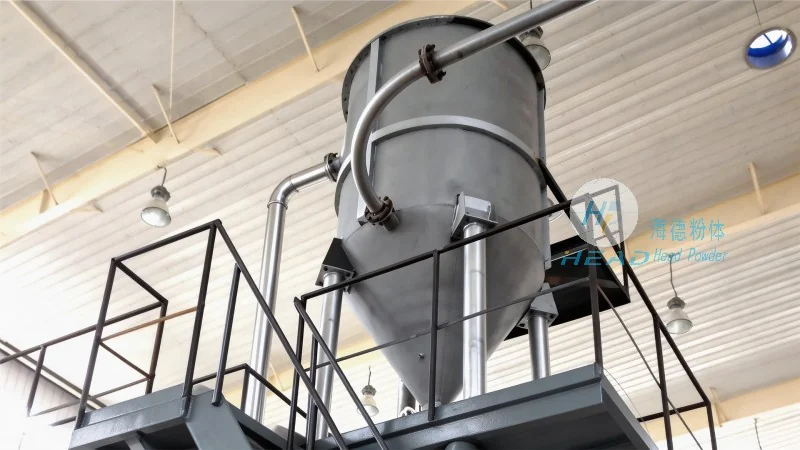
The core working principle of continuous quantitative material conveying lines revolves around the integration of precise measurement and controlled material flow. These systems typically consist of several key components, including a material hopper, a conveyor mechanism (such as a screw conveyor or belt conveyor), a dosing unit, and a control system. The process begins with the material being fed into the hopper, where it is stored and prepared for transport. The conveyor mechanism then moves the material along the line at a constant speed, while the dosing unit accurately measures and dispenses the required quantity of material at regular intervals. The control system monitors and adjusts the flow rate and dosing parameters in real-time, ensuring consistent and precise material delivery. This integrated approach allows for continuous operation without interruptions, making it ideal for high-volume production environments.
Key Features of Continuous Quantitative Material Conveying Lines
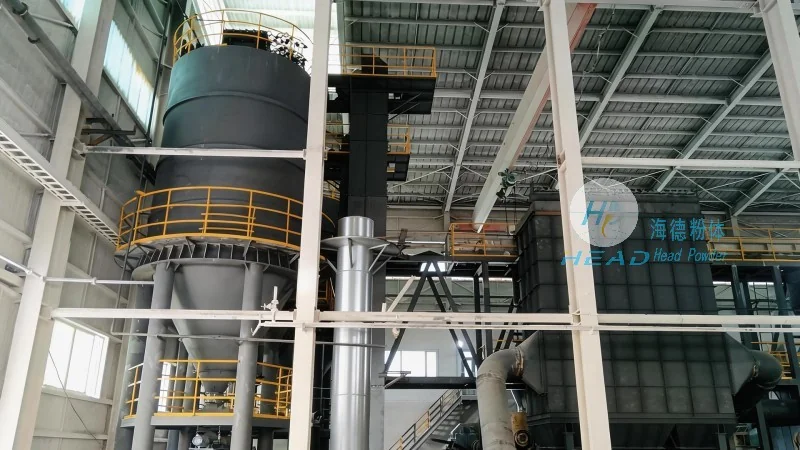
Continuous quantitative material conveying lines offer several distinct advantages that make them indispensable in modern industrial settings. One of the primary features is the high level of accuracy in material measurement, which is achieved through advanced dosing technologies such as gravimetric or volumetric systems. These systems can measure and dispense materials with a precision of up to ±0.1% or better, ensuring that the final product meets strict quality standards. Another notable feature is the ability to handle a wide range of materials, including powders, granules, and bulk solids, with minimal maintenance requirements. The robust construction of these lines, often made from stainless steel or other corrosion-resistant materials, ensures durability and longevity, even in harsh operating conditions. Additionally, the continuous operation mode allows for seamless integration with other production processes, reducing downtime and increasing overall productivity. The systems are also equipped with safety features, such as overload protection and emergency stop mechanisms, to ensure safe and reliable operation. Furthermore, the modular design of many continuous quantitative material conveying lines enables easy customization and scalability, allowing businesses to adapt the system to changing production needs without significant modifications.
Applications and Benefits
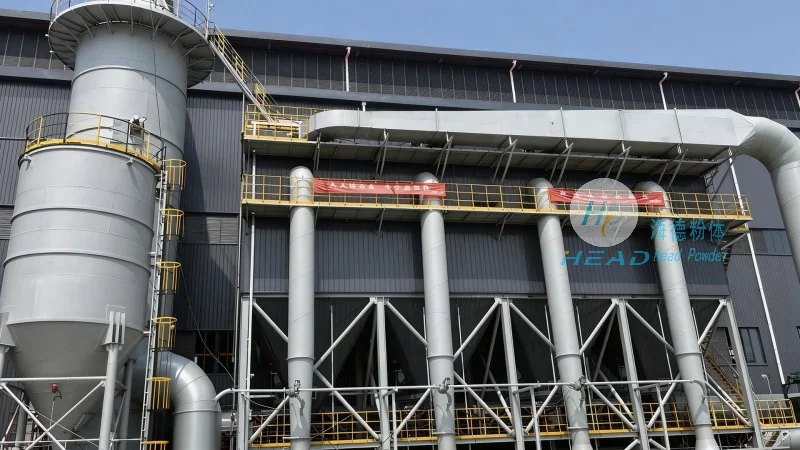
Continuous quantitative material conveying lines are versatile and can be applied in a variety of industries, including pharmaceutical manufacturing, where precise dosing of active ingredients is crucial for drug formulation. In the food processing industry, these systems are used to handle ingredients like flour, sugar, and spices, ensuring consistent product quality and meeting regulatory requirements. The chemical industry also benefits from these lines, as they can handle hazardous materials with precision and safety. The primary benefits of using continuous quantitative material conveying lines include improved product consistency, reduced material waste, enhanced process efficiency, and lower operational costs. By eliminating manual handling and human error, these systems contribute to higher overall productivity and better quality control. Additionally, the continuous operation reduces the need for frequent batch processing, leading to faster production cycles and increased output. The ability to integrate with automated production lines further enhances the efficiency of modern manufacturing processes, making continuous quantitative material conveying lines a critical component of industrial automation.
Conclusion
In conclusion, continuous quantitative material conveying lines are sophisticated industrial systems that combine precise measurement and controlled material flow to deliver high-quality and efficient material handling solutions. HeadPowder, with its expertise and commitment to quality, provides reliable and durable systems that meet the diverse needs of various industries. The working principle, which integrates advanced dosing and control technologies, ensures accurate and consistent material delivery, while the key features such as precision, versatility, and durability make these lines ideal for modern production environments. By leveraging continuous quantitative material conveying lines, businesses can enhance their operational efficiency, improve product quality, and reduce costs, ultimately gaining a competitive edge in their respective markets. As industrial automation continues to evolve, these systems will remain a vital component in the pursuit of efficient and sustainable material handling solutions.