

Working Principle and Features of Titanium Dioxide Powder Pneumatic Conveying Equipment
For industrial applications involving the handling of titanium dioxide powder, efficient and reliable material transport is crucial. The pneumatic conveying system, specifically designed for titanium dioxide powder, offers a solution that combines precision, safety, and operational efficiency. This article delves into the working principle and key features of such equipment, highlighting its importance in modern material processing.
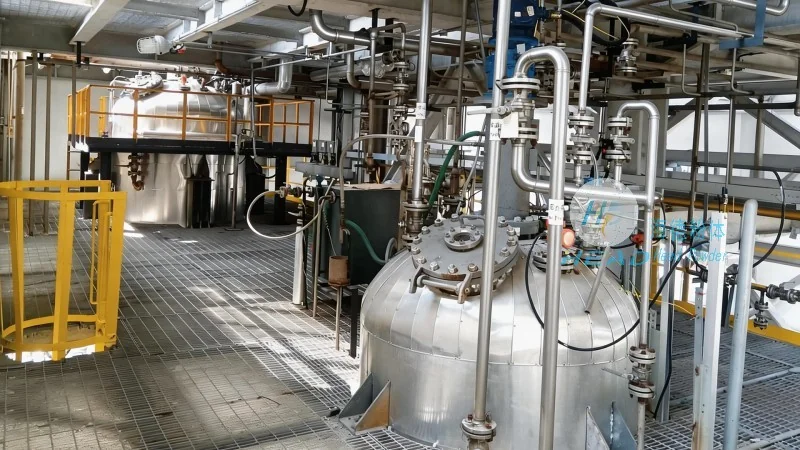
Introduction to Titanium Dioxide Powder Pneumatic Conveying Systems
Titanium dioxide (TiO₂) is a widely used white pigment and a key component in various industries, including coatings, plastics, and paper. The handling of this fine powder requires specialized equipment to ensure minimal dust generation, consistent flow, and compliance with safety standards. Pneumatic conveying systems have emerged as a preferred method for transporting titanium dioxide powder due to their ability to handle fine powders without the need for mechanical components that might cause contamination or blockages.
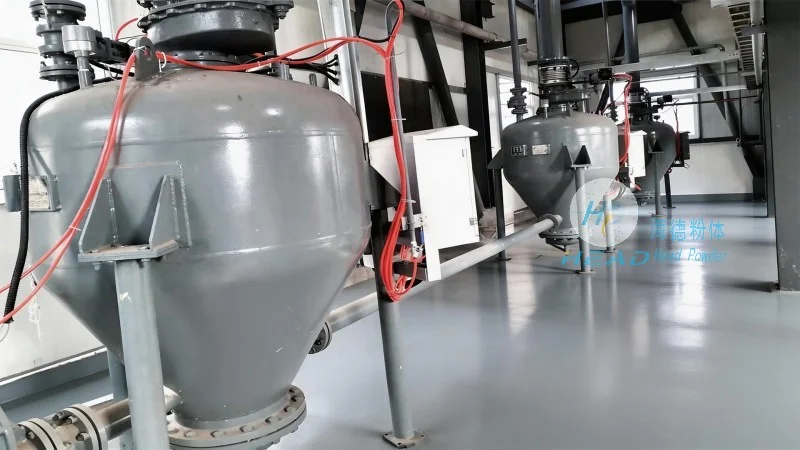
Working Principle of Titanium Dioxide Powder Pneumatic Conveying Equipment
The core of a pneumatic conveying system for titanium dioxide powder involves the use of air or gas to transport the material through a pipeline. The process typically begins with the powder being fed into a hopper or feeder, where it is then drawn into a venturi or a positive displacement blower. The air flow creates a pressure differential that propels the powder particles along the pipeline. The system may operate under either positive pressure (where air is forced through the system) or negative pressure (where air is drawn out, creating a vacuum). The choice of pressure type depends on the application, distance, and material characteristics. The equipment is designed to maintain a consistent air-to-powder ratio to ensure smooth transport and prevent clogging or degradation of the powder.
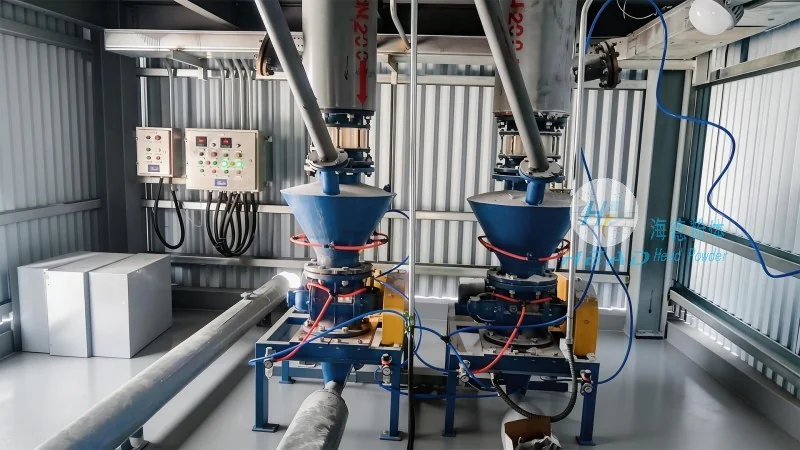
Key Features of Titanium Dioxide Powder Pneumatic Conveying Systems
Several critical features make pneumatic conveying systems ideal for titanium dioxide powder applications. Firstly, the system is dust-free, which is essential for maintaining product quality and ensuring a safe working environment. Unlike mechanical conveyors, pneumatic systems do not involve moving parts that could introduce contaminants or cause wear and tear on the powder. Secondly, the equipment offers high flexibility in terms of layout and integration with existing processing lines. It can be configured to handle varying flow rates and distances, making it adaptable to different production scales. Thirdly, the system provides excellent control over the material flow, allowing for precise dosing and mixing. This is particularly important in applications where the exact concentration of titanium dioxide in the final product is critical. Additionally, the equipment is designed for easy maintenance and cleaning, reducing downtime and operational costs. The use of corrosion-resistant materials in the construction of the pipeline and components ensures longevity and reliability, even when handling abrasive or moisture-sensitive powders like titanium dioxide.
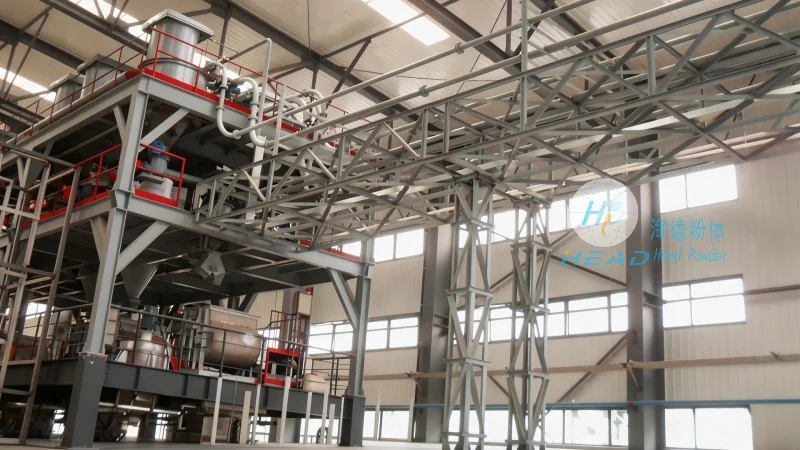
Company Information: Shandong HeadPowder Engineering Co., Ltd.
As a leading manufacturer in the field of material handling equipment, Shandong HeadPowder Engineering Co., Ltd. specializes in designing and producing advanced pneumatic conveying systems tailored to the needs of the titanium dioxide industry. With a strong focus on quality and innovation, the company has established itself as a trusted partner for businesses seeking reliable and efficient material transport solutions. HeadPowder's expertise lies in customizing systems to meet specific operational requirements, ensuring optimal performance and compliance with industry standards. The company's facilities are located in Shandong, China, where it leverages local resources and advanced manufacturing capabilities to deliver high-quality products to clients worldwide.