

Principle and Working Scene Characteristics of Tank Truck Powder Pneumatic Conveying Lines
HeadPowder, a leading engineering company based in Shandong, China, specializes in the design, manufacturing, and installation of advanced powder handling systems. The company's core focus includes tank truck pneumatic conveying lines, which are essential for efficient and safe transportation of bulk powders in various industrial applications.
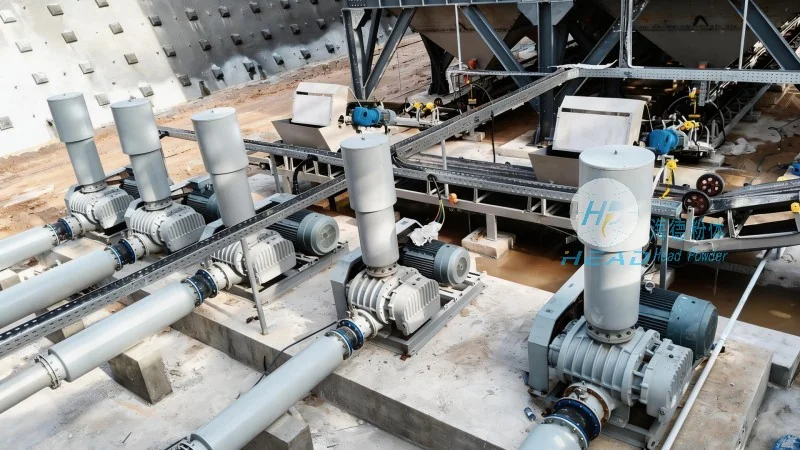
Overview of Tank Truck Powder Pneumatic Conveying Systems
Tank truck powder pneumatic conveying lines represent a sophisticated solution for transporting dry bulk materials from a storage tank to a processing facility or distribution point. These systems utilize compressed air or other gases to create a flow of material through a pipeline network, eliminating the need for mechanical components like conveyors or elevators that may cause material degradation or contamination. The technology is widely adopted across industries such as chemicals, food processing, pharmaceuticals, and mining, where the handling of fine or abrasive powders requires precision and reliability.
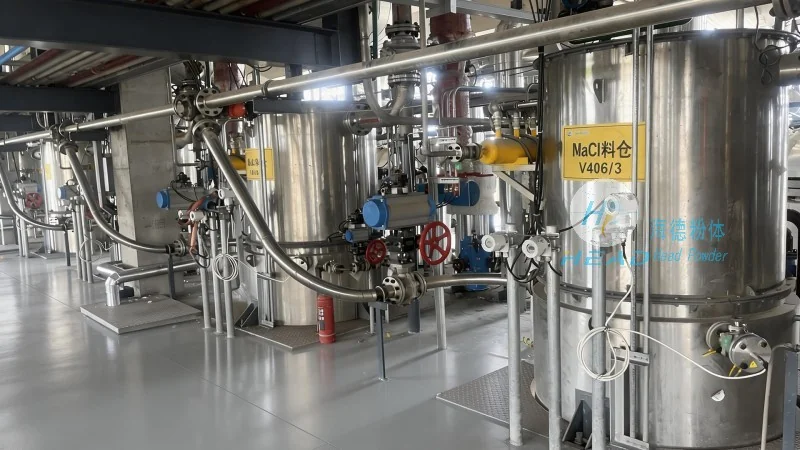
The Working Principle of Pneumatic Conveying
The fundamental principle behind tank truck pneumatic conveying is the use of differential pressure to move powder particles through a pipeline. When compressed air is introduced into the tank truck's hopper, it creates a low-pressure zone that draws the powder into the conveying line. The air and powder mixture travels through the pipeline at high velocity, ensuring that the material remains suspended and transported efficiently. The system typically includes components such as a blower, filter, and control valves to regulate the flow and maintain consistent performance. The design of the conveying line, including the pipe diameter, length, and bends, is critical to optimizing the system's efficiency and minimizing pressure losses.
Key Characteristics of Working Scenarios
The working scene characteristics of tank truck pneumatic conveying lines are tailored to meet the specific demands of different industrial environments. For instance, in chemical processing plants, the system must handle corrosive or hazardous powders, requiring materials like stainless steel or specialized coatings for the pipeline and equipment. In food processing facilities, the conveying line is designed to maintain sanitary conditions, with smooth surfaces and easy-to-clean components to prevent contamination. Additionally, the system's scalability allows it to accommodate varying production volumes, from small-scale batch operations to large-scale continuous production lines. The flexibility of pneumatic conveying also enables the integration of multiple tank trucks or storage tanks, facilitating seamless material transfer between different stages of the production process.
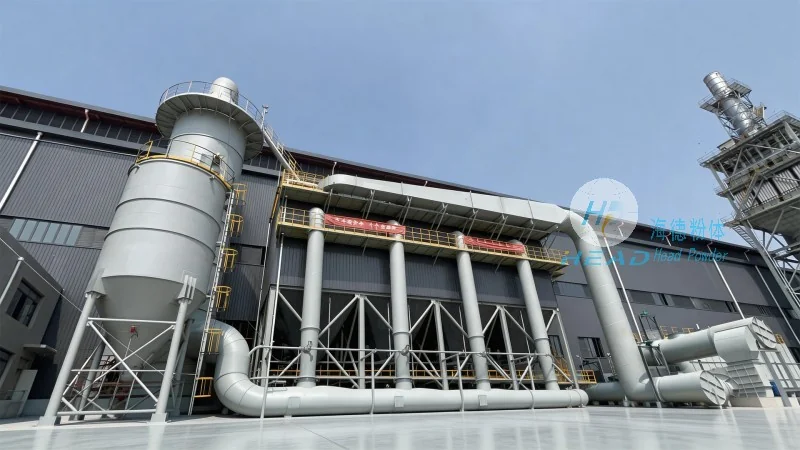
Advantages in Practical Applications
One of the primary advantages of tank truck powder pneumatic conveying lines is their ability to handle a wide range of powder types, including fine, cohesive, or abrasive materials that are difficult to transport using traditional methods. The system's enclosed pipeline design prevents dust emissions and ensures environmental compliance, which is crucial in industries where air quality regulations are stringent. Furthermore, the technology offers cost-effective solutions for long-distance material transport, reducing the need for manual handling or additional equipment. The reliability of pneumatic conveying systems, with minimal maintenance requirements and high uptime, contributes to improved operational efficiency and reduced downtime in industrial settings.