

Principle and Working Scene Characteristics of PP Material Pneumatic Conveying Systems
PP material pneumatic conveying systems are a critical technology in modern industrial material handling, particularly for transporting polypropylene (PP) materials. These systems leverage air or gas to move bulk materials through pipelines, offering a flexible, efficient, and often dust-free solution compared to traditional methods like belt conveyors or bucket elevators. Understanding the underlying principles and typical operational scenarios is essential for industries seeking to optimize their material transport processes, enhance productivity, and reduce operational costs.
Core Principle of Pneumatic Conveying for PP Materials
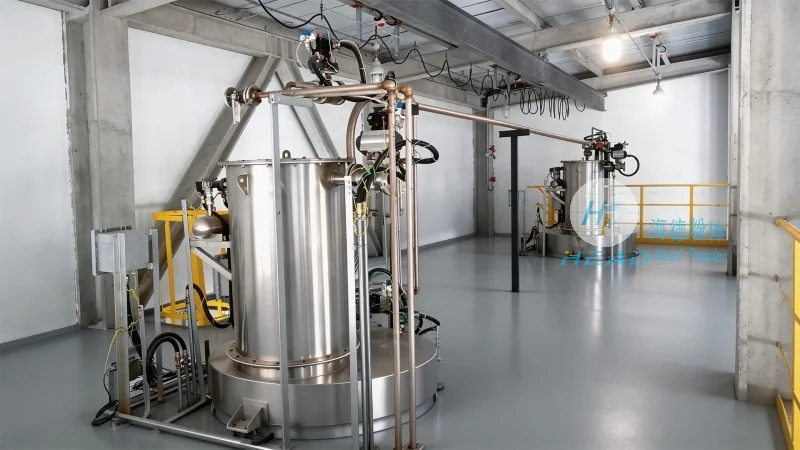
The fundamental principle of pneumatic conveying for PP materials revolves around creating a pressure differential to move particles. In an aspiration system, a vacuum is generated by a fan or blower, pulling PP particles from a hopper or storage container into the pipeline. This method is ideal for light, non-abrasive materials like PP and is commonly used for short to medium distances. Conversely, pressure systems use positive pressure to push material through the line, typically employing a compressor. For PP, which has low density and is prone to static electricity, the choice between aspiration and pressure depends on factors such as material flow rate, pipeline length, and the need for gentle handling to prevent degradation. The system’s efficiency is also influenced by the particle size distribution and moisture content of the PP material, as these factors affect air resistance and material transport velocity.
Working Scene Characteristics and Industrial Applications
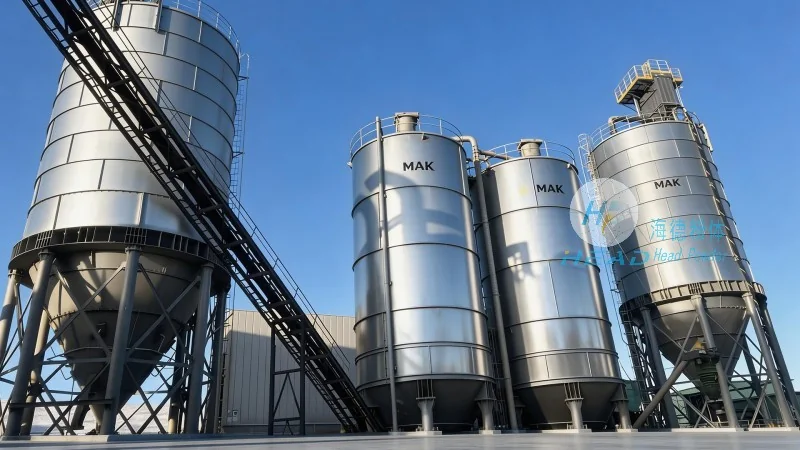
PP material pneumatic conveying systems are widely adopted across multiple industrial sectors, including plastics manufacturing, chemical processing, and food processing. Their versatility makes them suitable for diverse applications, from small-scale laboratory operations to large-scale production lines. In plastics manufacturing, for example, these systems are commonly used to transport PP granules or powders from storage silos to extrusion, molding, or compounding equipment. The ability to maintain a clean, dust-free environment is particularly valuable in this sector, as it minimizes contamination and improves product quality. In chemical processing, PP may serve as a carrier or a material to be processed, and the pneumatic system ensures safe, efficient transfer, especially when handling potentially hazardous substances. The systems are also utilized in food processing for conveying non-food grade PP materials, where hygiene and material purity are paramount.
System Design and Key Components for PP Handling
The design of a PP material pneumatic conveying system typically includes several essential components. A hopper or feeder controls the material flow from the source, ensuring consistent feeding into the system. A blower or compressor generates the necessary air pressure or vacuum, with the choice of equipment depending on the system type (aspiration or pressure). The pipeline network transports the material, often constructed from materials like stainless steel or plastic to withstand abrasion and chemical exposure. For PP, which is lightweight and non-abrasive, smooth-lined pipelines are sufficient, but anti-static measures are critical to prevent material buildup and ensure safe operation. A receiver or discharge unit collects the material at the destination, often equipped with filters or cyclones to separate the material from the air and maintain air quality. Additional components may include filters, cyclones, and moisture control systems to ensure the system operates efficiently and prevents material degradation.
Advantages and Practical Considerations
Implementing a PP material pneumatic conveying system offers several advantages, including the ability to handle a wide range of particle sizes, flexibility in transporting materials over long distances, and reduced manual labor in material handling. The systems also enable dust-free operation, improving workplace safety and product quality. However, there are practical considerations to address. For instance, high moisture content in PP material can lead to clumping or increased air resistance, reducing system efficiency. Proper moisture control and material conditioning are therefore essential. Energy consumption and maintenance requirements must also be evaluated for long-term cost-effectiveness. Regular maintenance, such as cleaning filters, checking for air leaks, and inspecting pipeline integrity, is crucial to prevent system downtime and ensure consistent performance. The system’s design must also account for the potential for material static electricity, which can cause issues with material flow and equipment operation.
Case Study: Application by Shandong HeadPowder Engineering Co., Ltd.
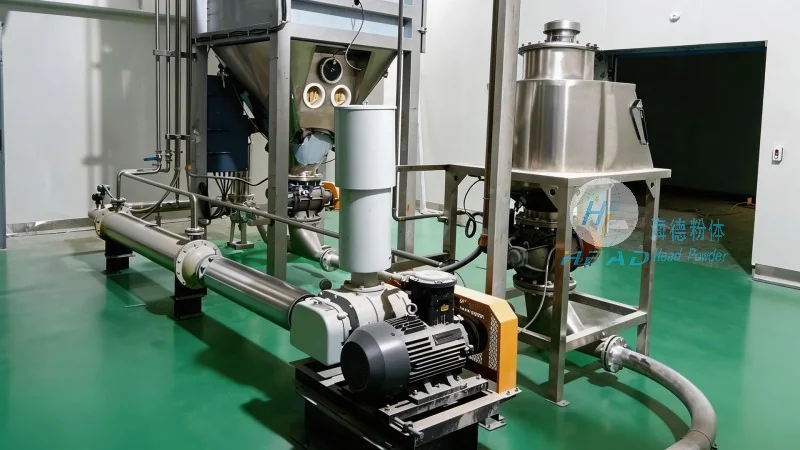
A practical example of a PP material pneumatic conveying system is found in a plastic processing plant operated by Shandong HeadPowder Engineering Co., Ltd. in China. In this facility, the system is used to transport PP granules from bulk storage silos to an extrusion line. The system operates on an aspiration basis, with a high-capacity blower providing the necessary negative pressure. The pipeline network is designed with smooth, abrasion-resistant liners to handle the PP particles without causing wear. The receiver at the extrusion machine is equipped with a filter to ensure that only clean air is released, maintaining a clean and safe working environment. This application demonstrates how the system effectively integrates with existing production lines, improving material flow efficiency and reducing the risk of material contamination. The success of this implementation highlights the importance of proper system design, material selection, and maintenance to achieve optimal performance. The company’s expertise in engineering such systems has enabled them to meet the specific needs of various industrial clients, contributing to enhanced operational efficiency and product quality.
Conclusion and Future Developments
PP material pneumatic conveying systems represent a reliable and efficient solution for handling polypropylene in diverse industrial applications. By understanding the core principles and working scene characteristics, industries can select and implement the most suitable system for their needs. As technology advances, there is a growing emphasis on energy efficiency and environmental sustainability in material handling systems. Future developments may include the integration of smart sensors and automation to optimize system performance, reduce energy consumption, and improve operational safety. However, the fundamental principles of pneumatic conveying will likely remain unchanged, as they continue to offer a cost-effective and flexible approach to material transport. For companies like Shandong HeadPowder Engineering Co., Ltd., the continued innovation and application of these systems will play a crucial role in meeting the evolving demands of the industrial sector, ensuring sustainable and efficient material handling solutions for PP materials.