

Principle and Working Scene Characteristics of Sugar Material Pneumatic Conveying Systems
HeadPowder, a leading provider in the field of material handling solutions, specializes in the design and implementation of pneumatic conveying systems tailored for sugar processing industries. This article delves into the fundamental principles behind these systems and highlights the key characteristics of their application in various working environments.
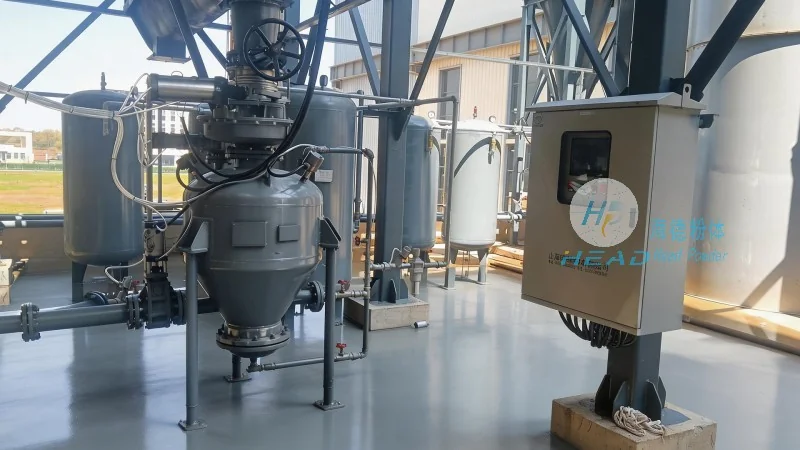
Principle of Pneumatic Conveying for Sugar Materials
Pneumatic conveying systems operate by utilizing air or gas as the medium to transport bulk materials like sugar from one location to another. The core mechanism involves creating a pressure differential within a pipeline network. In a typical setup, a blower or compressor generates airflow that draws or pushes the sugar particles through the system. The system can be categorized into two main types: dilute phase and dense phase, each offering distinct advantages depending on the material characteristics and process requirements.
For sugar, which is a fine, granular product, dilute phase systems are often preferred due to their ability to handle high material flow rates with minimal pressure drops. These systems use relatively low air-to-material ratios, ensuring efficient transport while maintaining low energy consumption. The principle involves the sugar particles being suspended in the air stream and carried through the pipeline. The design of the conveying line, including the use of bends, elbows, and filters, is critical to maintaining the integrity of the sugar and preventing blockages or degradation.
Working Scene Characteristics of Sugar Pneumatic Conveying Systems
The application of pneumatic conveying systems in sugar processing facilities is characterized by several key aspects that enhance operational efficiency and product quality. One of the primary advantages is the ability to handle sugar in a closed system, which minimizes exposure to moisture, contaminants, and environmental factors that could affect the product's purity and shelf life. This is particularly important in industries where maintaining the quality of sugar is paramount, such as for food and beverage applications.
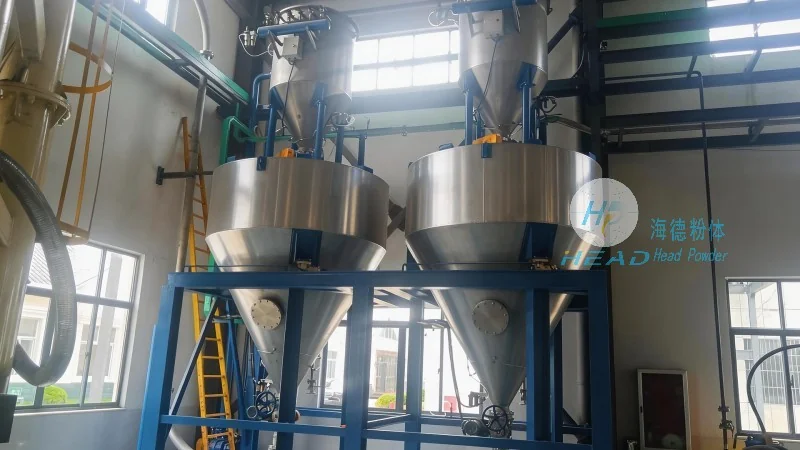
Another significant characteristic is the flexibility in system layout. Pneumatic conveying systems can be configured to transport sugar over long distances or within complex plant layouts, including vertical lifts and horizontal transfers. This adaptability allows for seamless integration with existing processing equipment, such as storage silos, mixing tanks, and packaging lines. The systems are designed to accommodate varying sugar types, including raw sugar, refined sugar, and specialty sugars, ensuring versatility across different production stages.
Operational efficiency is a critical characteristic of these systems. By automating the material transport process, HeadPowder's solutions reduce manual handling, minimize downtime, and improve overall productivity. The systems are equipped with advanced control mechanisms that monitor pressure, flow rates, and material levels, ensuring consistent performance and preventing system failures. This level of automation also enhances safety in the workplace by reducing the need for workers to handle bulk materials manually.
Application Scenarios in Sugar Processing Industries
HeadPowder's pneumatic conveying systems are widely used in various working scenarios within sugar processing plants. For instance, in raw sugar handling, the system can transport sugar from storage silos to processing units, ensuring a continuous supply of raw material. In refined sugar production, the system facilitates the transfer of sugar from crystallization tanks to drying and packaging areas, maintaining the product's quality throughout the process.
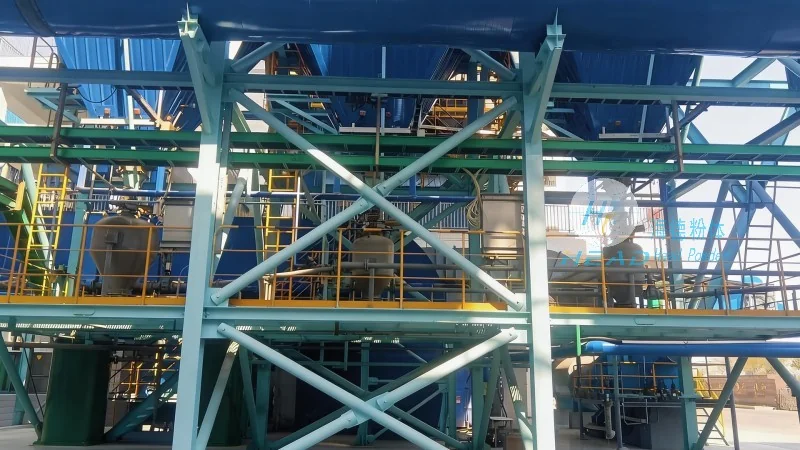
In specialty sugar applications, such as the production of organic or natural sugars, the closed system design of the pneumatic conveyor helps preserve the natural characteristics of the sugar, avoiding contamination from external sources. The systems are also suitable for use in sugar refineries where the need to handle large volumes of sugar efficiently is essential for meeting production targets.
Furthermore, the systems are adaptable to different production scales, from small-scale operations to large industrial facilities. This scalability ensures that HeadPowder's solutions can be tailored to meet the specific needs of each client, whether they are processing a few tons of sugar daily or several thousand tons. The company's expertise in customizing systems to fit individual plant layouts and operational requirements has made them a trusted partner in the sugar industry.
Conclusion
HeadPowder Engineering Co., Ltd., based in Shandong, China, provides comprehensive pneumatic conveying solutions for sugar material handling. By leveraging the principles of air-based transport and incorporating advanced design features, these systems offer significant advantages in terms of efficiency, product quality, and operational flexibility. The working scene characteristics, including closed system operation, adaptability to complex layouts, and high automation levels, make them an ideal choice for modern sugar processing facilities. As a leading provider in the field, HeadPowder continues to innovate and refine their systems to meet the evolving needs of the sugar industry, ensuring reliable and effective material transport solutions for their clients.