

Introduction to Powder Tanker Powder Conveying: Structure and Working Principle
For industries dealing with bulk powder materials, efficient and reliable transportation is crucial. Powder tankers, also known as bulk powder transport vehicles, play a vital role in moving dry powders such as cement, flour, and chemical powders over long distances. This article provides an overview of the powder tanker's structure and working principles, highlighting the key components that enable safe and effective powder conveying. The information is presented by Shandong HeadPowder Engineering Co., Ltd., a leading manufacturer based in China.
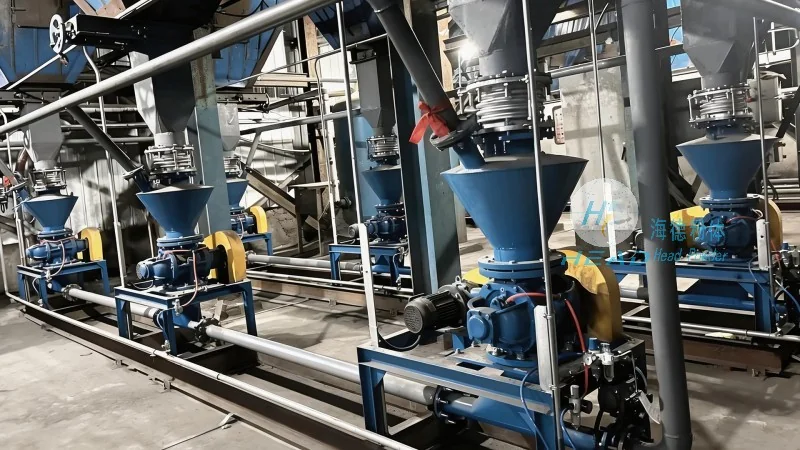
Powder Tanker Overview and Core Components
Powder tankers are specialized vehicles designed to transport dry bulk materials in a sealed environment. The primary function is to prevent material loss, contamination, and environmental pollution during transit. The vehicle consists of several critical components, each serving a specific purpose in the powder conveying process. These include the tank body, feeding system, conveying system, and unloading mechanism. The tank body is typically made of stainless steel or other corrosion-resistant materials to ensure durability and prevent material degradation. The feeding system is responsible for introducing the powder into the tank, while the conveying system transports the powder to the unloading point. The unloading mechanism allows for controlled discharge of the powder at the destination.
Structural Design of the Powder Tanker
The structural design of a powder tanker is engineered to handle the unique challenges of powder transportation. The tank body is cylindrical with a conical bottom, which helps in the uniform distribution of the powder and facilitates smooth unloading. The tank is equipped with internal agitators or vibrators that prevent material settling and caking, ensuring consistent flow. The feeding system includes a hopper and a rotary valve, which control the intake of powder from the source. The conveying system may use pneumatic or mechanical methods, such as screw conveyors or air slides, to move the powder through the tank. The unloading mechanism typically involves a discharge valve or a pressure relief system that allows the powder to be released safely at the destination. The entire system is sealed to maintain pressure and prevent dust emissions, complying with environmental regulations.
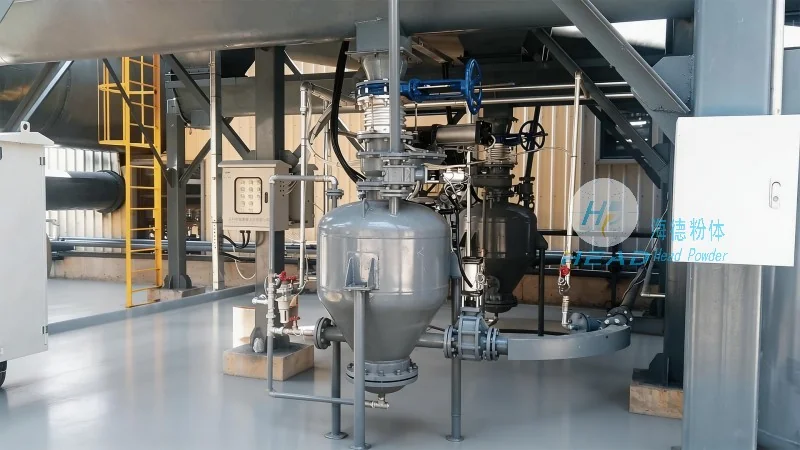
Working Principle of the Powder Conveying Process
The working principle of the powder tanker involves a sequence of steps to transport the material from the source to the destination. First, the powder is loaded into the tank through the feeding system. The tank is then sealed, and the conveying system is activated to move the powder to the rear of the tank. The unloading mechanism is controlled to release the powder at the desired location. The process is monitored by sensors and control systems to ensure optimal performance and safety. The use of sealed tanks and controlled conveying methods minimizes dust generation and ensures the material remains intact throughout the journey. This design is particularly important for materials that are sensitive to moisture or air exposure, as it maintains the material's quality and prevents degradation.
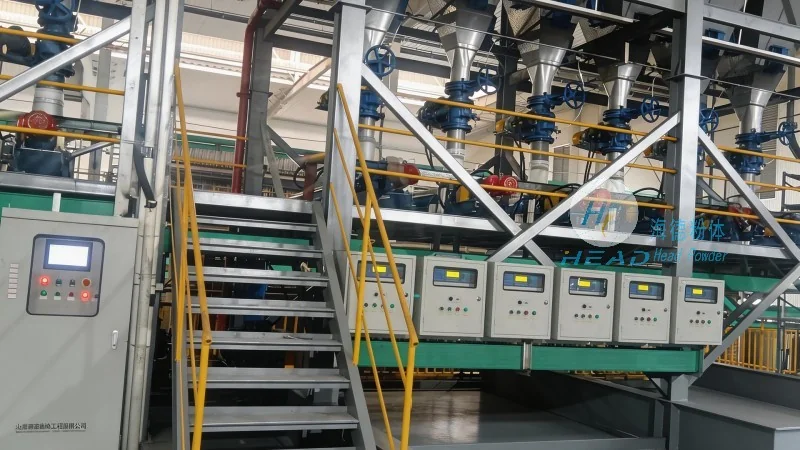
Applications and Industries Served
Powder tankers are widely used in various industries, including construction, food processing, and chemical manufacturing. In the construction industry, they are used to transport cement, fly ash, and other bulk materials to building sites. In the food industry, they are used to transport flour, sugar, and other dry ingredients to processing facilities. In the chemical industry, they are used to transport powders such as fertilizers, pesticides, and industrial chemicals. The versatility of powder tankers makes them an essential part of supply chains for these industries, ensuring efficient and reliable delivery of bulk materials.
Advantages of Using Powder Tankers
There are several advantages to using powder tankers for bulk powder transportation. First, they provide a cost-effective solution for moving large quantities of material over long distances. The sealed design reduces material loss and contamination, which can be costly for industries dealing with high-value powders. The efficient conveying systems reduce transit time, improving supply chain logistics. Additionally, the use of corrosion-resistant materials ensures the longevity of the vehicle, reducing maintenance costs. The controlled unloading mechanism prevents spills and environmental damage, which is important for compliance with environmental regulations. Overall, powder tankers offer a reliable and efficient method for transporting bulk powders, making them a preferred choice for many industries.