

PTFE Powder Handling: Introduction to Structure and Working Principles
PTFE (Polytetrafluoroethylene) powder handling systems are critical in various industrial applications due to the unique properties of PTFE material. This article provides an overview of the structural design and operational principles behind efficient PTFE powder conveying, focusing on the technical aspects that ensure reliable material transport.
Company Profile and Background
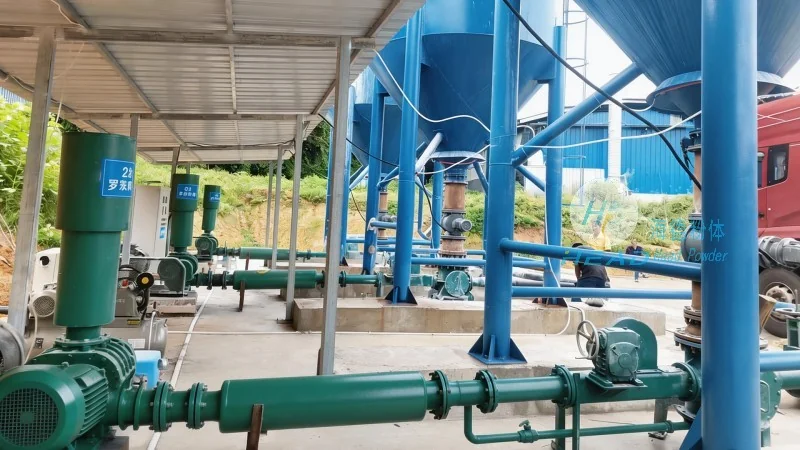
HeadPowder, a leading manufacturer in the field, specializes in engineering solutions for handling PTFE powders. Based in Shandong, China, the company has established itself as a trusted provider of high-quality equipment tailored to the specific demands of PTFE processing. The company’s expertise lies in understanding the challenges associated with PTFE’s non-stick, low friction, and chemical resistance properties, which require specialized handling methods.
Structural Components of PTFE Powder Conveying Systems
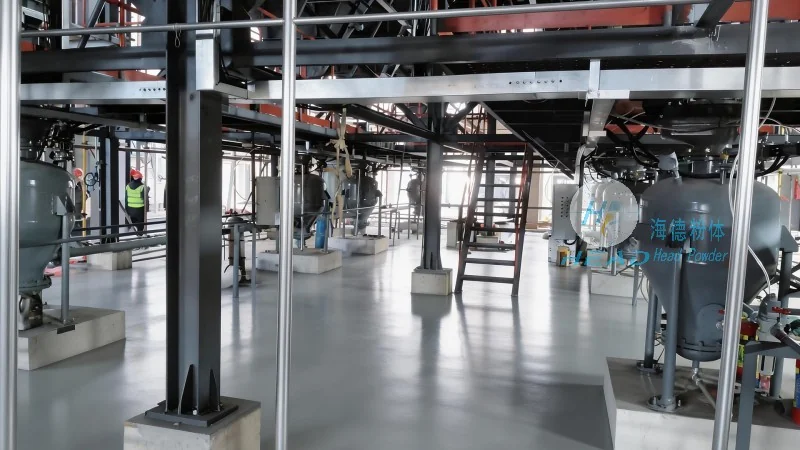
The core of any PTFE powder handling system consists of several key components that work in tandem to ensure efficient and safe material transport. These components include feed hoppers, conveying mechanisms, and discharge units, each designed to address the unique characteristics of PTFE powder. Feed hoppers are typically equipped with anti-static features to prevent powder accumulation and ensure smooth feeding. Conveying mechanisms may involve pneumatic or mechanical systems, with pneumatic conveying being particularly effective for PTFE due to its low density and the need to avoid mechanical abrasion.
Working Principles of PTFE Powder Conveying
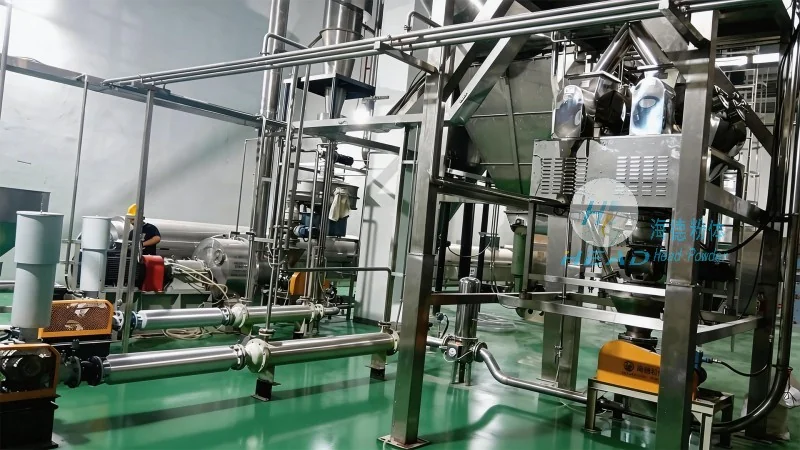
The operational principle of PTFE powder conveying systems revolves around the controlled movement of powder from the source to the destination. In pneumatic conveying systems, for example, compressed air is used to create a flow that transports the powder through a network of pipes. The design of the system ensures that the air velocity is sufficient to keep the powder suspended without causing excessive wear or degradation. Mechanical conveying systems, such as screw conveyors, may also be used, but they require careful consideration of the material’s abrasive nature and the risk of clogging. The system’s design must also account for the need to maintain a consistent flow rate and prevent material buildup in any part of the conveying path.
Key Design Considerations for PTFE Powder Handling
When designing PTFE powder handling systems, several factors must be considered to ensure optimal performance and longevity. Material selection is paramount, as components must be resistant to PTFE’s chemical properties and the abrasive nature of the powder. Stainless steel, PTFE-lined components, and specialized alloys are commonly used to minimize wear and corrosion. Additionally, the system must incorporate features to prevent static buildup, as PTFE is a poor conductor and can generate static electricity that may lead to powder explosion hazards. Proper sealing and maintenance procedures are also critical to maintain the system’s efficiency and prevent leaks.
Applications and Industry Relevance
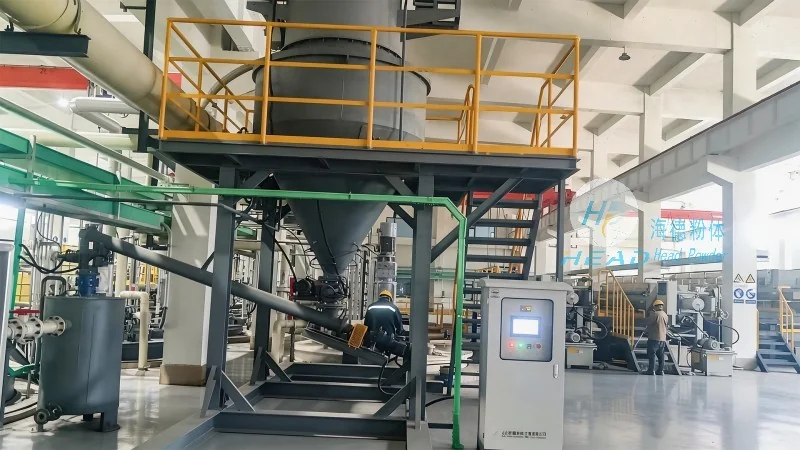
PTFE powder handling systems are widely used in industries such as aerospace, electronics, and chemical processing, where the material’s non-stick and high-temperature resistance properties are essential. The reliability of these systems is crucial for maintaining product quality and ensuring consistent performance in manufacturing processes. By understanding the structural and operational principles of PTFE powder conveying, industries can optimize their production lines and improve overall efficiency.