

Application and Optimization of Pneumatic Conveying Technology in Stone Aggregate Conveying Design
For industrial operations dealing with stone aggregates, the selection of an efficient material handling system is crucial for enhancing productivity and reducing operational costs. Pneumatic conveying technology has emerged as a versatile solution for transporting stone aggregates, offering advantages such as flexibility, low maintenance, and the ability to handle a wide range of particle sizes and materials. This article explores the application and optimization of pneumatic conveying systems specifically for stone aggregate transportation, highlighting key considerations and best practices.
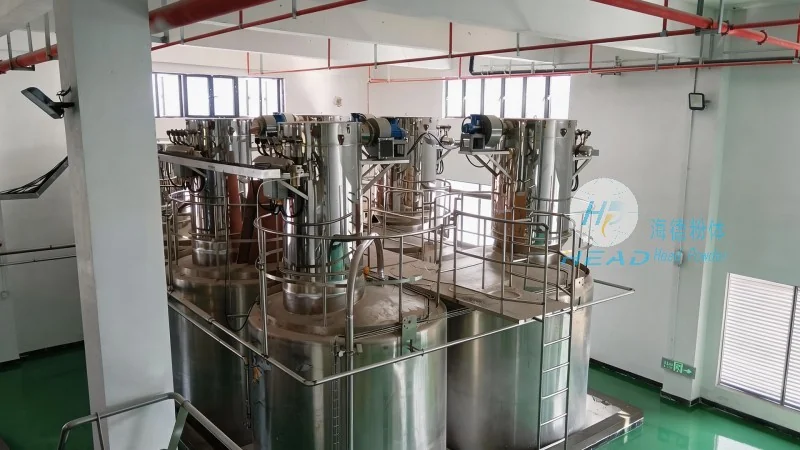
Understanding Pneumatic Conveying Systems
Pneumatic conveying systems utilize air or gas to transport bulk materials like stone aggregates through a pipeline network. These systems can be categorized into two main types: dilute-phase and dense-phase. Dilute-phase systems rely on high-velocity air to suspend particles, suitable for short distances and low to medium material loads. Dense-phase systems, on the other hand, use lower air velocities and higher material concentrations, ideal for longer distances and higher load capacities. The choice between these systems depends on factors such as the distance to be covered, the required flow rate, and the characteristics of the stone aggregate, including particle size, moisture content, and abrasiveness.
Key Considerations for Stone Aggregate Conveying
When designing a pneumatic conveying system for stone aggregates, several critical factors must be considered to ensure optimal performance and longevity. First, the particle size distribution of the stone aggregate is a primary determinant. Coarse, irregularly shaped particles may require higher air velocities and larger pipe diameters to prevent blockages and ensure smooth flow. Additionally, the moisture content of the aggregates is important, as excessive moisture can lead to clumping and reduced conveying efficiency. Proper drying or moisture control measures may be necessary to maintain consistent performance. Abrasiveness is another factor, as stone aggregates can cause wear on the system components, particularly the pipeline and valves. Materials like stainless steel or high-grade alloys are often recommended for components that come into direct contact with the material to extend the system's lifespan.
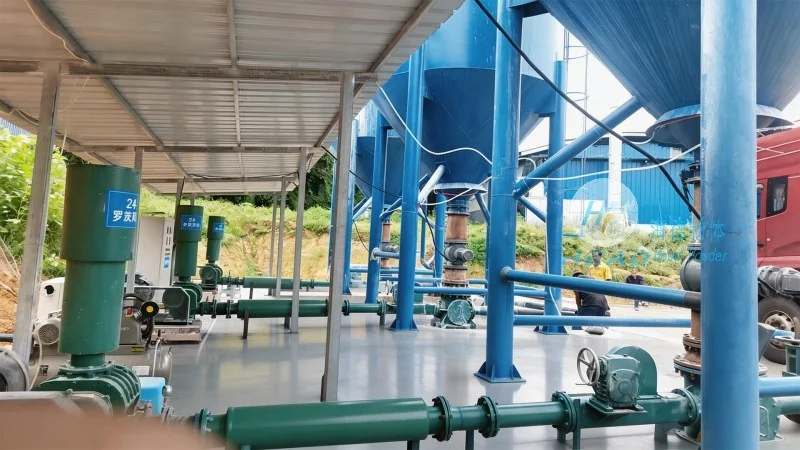
Optimizing Pneumatic Conveying for Stone Aggregates
Optimization of pneumatic conveying systems involves balancing several parameters to achieve the best possible performance. One key aspect is the air velocity, which must be sufficient to suspend the particles but not so high as to cause excessive energy consumption or wear on the system. The air pressure and flow rate are also critical, as they directly impact the conveying capacity and distance. System designers often use computational fluid dynamics (CFD) simulations to model the flow behavior and identify potential bottlenecks or areas of high stress. Another optimization strategy is the use of pulse-jet or rotary airlock feeders, which help maintain a consistent material feed rate and prevent surges that could lead to system overload or blockages. Regular maintenance and monitoring of the system, including checking for wear on components and ensuring proper air filtration, are essential to maintain optimal performance over time.
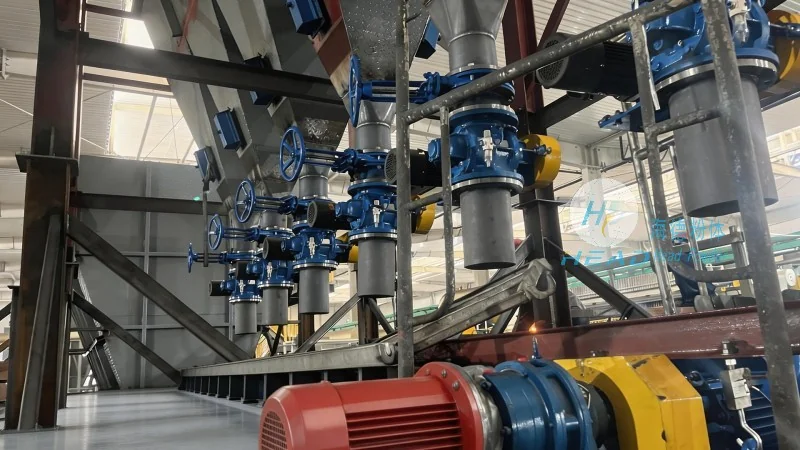
Case Study: Successful Implementation by Shandong HeadPowder Engineering Co., Ltd.
Shandong HeadPowder Engineering Co., Ltd., a leading provider of material handling solutions, has successfully implemented pneumatic conveying systems for stone aggregate transportation in various industrial applications. One notable project involved the design and installation of a dense-phase pneumatic conveying system for a quarry operation in China. The system was tailored to handle coarse, abrasive stone aggregates over a distance of 500 meters, with a required flow rate of 50 tons per hour. By carefully selecting the pipe diameter, air velocity, and material feed rate, the system achieved high conveying efficiency with minimal wear on components. The project demonstrated the effectiveness of optimizing system parameters based on the specific characteristics of the stone aggregate and operational requirements. The company's expertise in customizing pneumatic conveying solutions ensures that clients receive systems that are tailored to their unique needs, maximizing performance and minimizing operational costs.
Conclusion and Future Trends
Pneumatic conveying technology continues to be a valuable solution for the efficient transportation of stone aggregates, offering flexibility and cost-effectiveness compared to traditional methods like belt conveyors or trucks. As industrial demands for higher throughput and more sustainable operations increase, the optimization of pneumatic conveying systems will remain a key focus. Future trends may include the integration of advanced sensors and automation to monitor system performance in real-time and adjust parameters dynamically, further enhancing efficiency and reducing downtime. For industries dealing with stone aggregates, partnering with experienced providers like Shandong HeadPowder Engineering Co., Ltd. can ensure the selection and implementation of a well-designed pneumatic conveying system that meets their specific requirements and contributes to long-term operational success.