

Application and Optimization of Pneumatic Conveying Technology in Aluminum Fines Transport Design
HeadPowder, a leading engineering firm based in Shandong, China, specializes in the design and implementation of advanced material handling solutions. Among their core competencies is the application of pneumatic conveying technology for the efficient transport of aluminum fines—a critical component in various industrial processes. This article explores how HeadPowder leverages innovative pneumatic conveying systems to enhance the performance and reliability of aluminum fines transport, addressing key challenges such as material handling efficiency, system optimization, and operational safety.
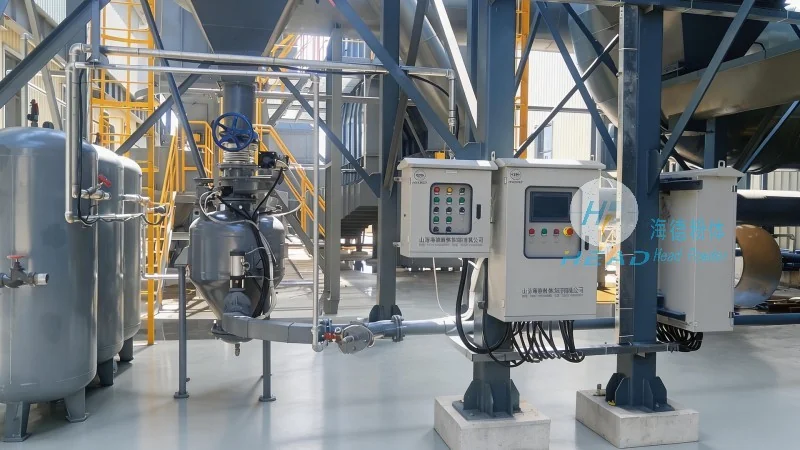
Understanding Aluminum Fines and Their Transport Challenges
Aluminum fines, also known as aluminum dust or powder, are fine particles of aluminum produced during manufacturing processes like grinding, crushing, or recycling. These materials are lightweight, abrasive, and often prone to dust generation, making their transport a complex task. Traditional methods like belt conveyors or bucket elevators may struggle with the handling of such fine, cohesive materials, leading to issues like material degradation, system blockages, and increased maintenance costs. Pneumatic conveying offers a more efficient alternative by using air pressure to move materials through a pipeline, reducing the risk of contamination and improving material integrity.
Pneumatic Conveying Technology: Principles and Advantages
Pneumatic conveying systems operate by transporting bulk materials through a closed pipeline using compressed air. There are two primary types: pressure and vacuum systems. Pressure systems use positive pressure to push material from a source to a destination, while vacuum systems use negative pressure to pull material. For aluminum fines, pressure systems are often preferred due to their ability to handle abrasive materials and maintain consistent flow rates. Key advantages of pneumatic conveying include high material handling capacity, reduced equipment wear, minimal product contamination, and the ability to transport materials over long distances without the need for multiple transfer points.
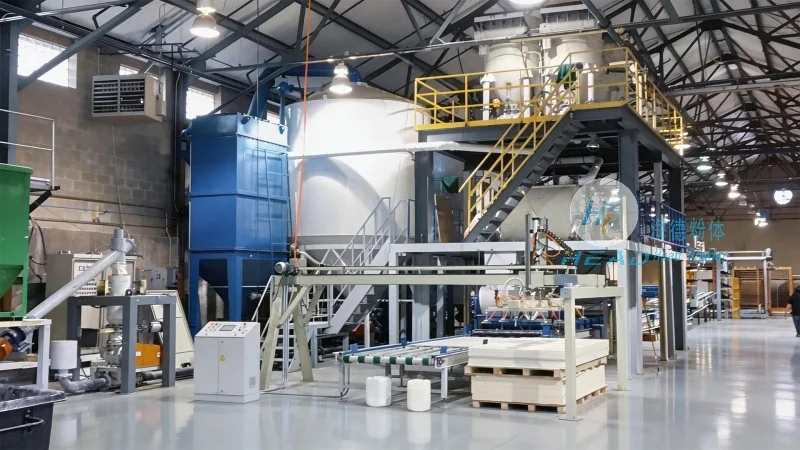
HeadPowder's Approach to Optimizing Aluminum Fines Transport
HeadPowder Engineering Co., Ltd. employs a systematic approach to optimize aluminum fines transport, focusing on customizing solutions to meet specific client needs. The process begins with a thorough analysis of the material characteristics, including particle size distribution, moisture content, and flow properties. This data is crucial for selecting the appropriate conveying system design, such as the type of airlock, cyclone separator, or material dryer required. HeadPowder also considers operational factors like production capacity, system layout, and environmental regulations to ensure the final design is both efficient and compliant.
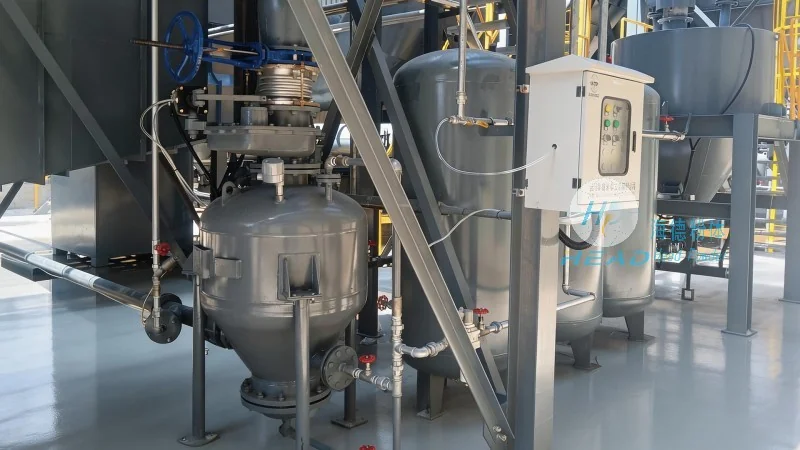
Key Components and System Design Considerations
A successful pneumatic conveying system for aluminum fines involves several critical components. The feed system, typically an airlock or rotary valve, ensures a consistent material feed into the pipeline. The conveying line itself is often made of corrosion-resistant materials like stainless steel or polyethylene to withstand the abrasive nature of aluminum fines. Cyclone separators are used to separate the material from the air stream, while filters and dust collectors ensure compliance with air quality standards. HeadPowder's engineers also incorporate features like material drying and conditioning to improve flowability and prevent blockages. System optimization is further enhanced through the use of variable frequency drives (VFDs) to control air pressure and flow rates, reducing energy consumption and improving system responsiveness.
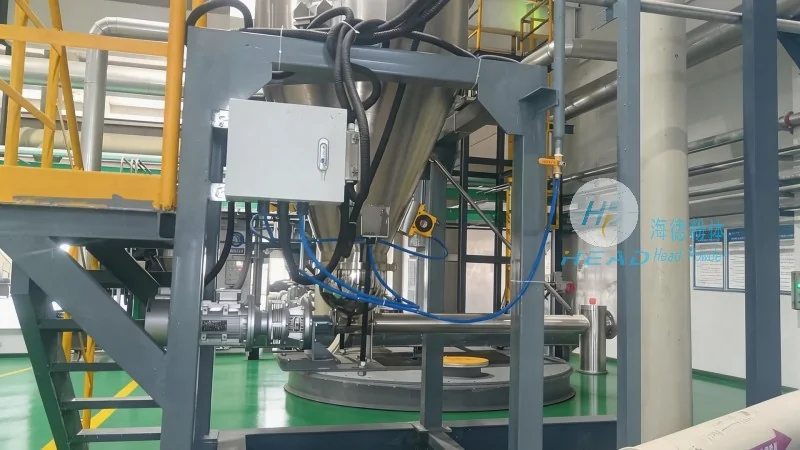
Case Studies: Real-World Applications and Results
HeadPowder has successfully implemented pneumatic conveying solutions for aluminum fines in various industrial settings. For example, a client in the aluminum recycling industry required a system to transport fine aluminum particles from a grinding station to a storage silo. By designing a pressure pneumatic conveying system with a custom-built cyclone separator and airlock, HeadPowder increased the material handling capacity by 30% while reducing maintenance costs by 25%. Another project involved transporting aluminum fines from a manufacturing plant to a processing facility over a distance of 500 meters. The optimized system, incorporating VFDs and a corrosion-resistant pipeline, achieved a consistent flow rate of 10 tons per hour with minimal downtime, demonstrating the effectiveness of HeadPowder's approach.
Benefits of Choosing HeadPowder for Aluminum Fines Transport
Partnering with HeadPowder Engineering Co., Ltd. for aluminum fines transport offers several key benefits. The company's expertise in pneumatic conveying technology ensures that clients receive tailored solutions that address their specific challenges. By leveraging advanced engineering and material handling knowledge, HeadPowder optimizes system performance, reduces operational costs, and enhances overall productivity. Additionally, HeadPowder's commitment to quality and compliance ensures that all systems meet industry standards and regulatory requirements. For businesses looking to improve the efficiency and reliability of aluminum fines transport, HeadPowder provides a reliable and effective solution.