

Application and Optimization of Pneumatic Conveying Technology in Dust Ash Conveying Design
For industrial facilities dealing with dust ash, the efficient and reliable transport of these materials is a critical operational challenge. Pneumatic conveying technology has emerged as a key solution, offering a flexible and effective method to handle dust ash from various sources. This article explores the application and optimization of pneumatic conveying systems specifically tailored for dust ash transport, highlighting the benefits and considerations for design and implementation.
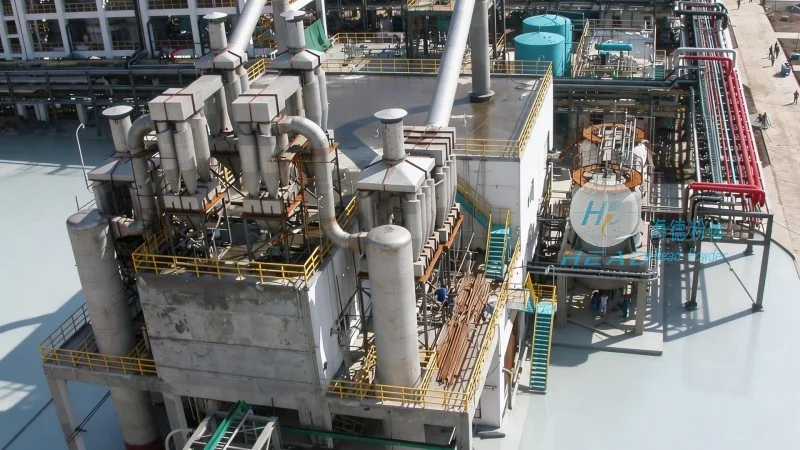
HeadPowder, a leading engineering company based in Shandong, China, specializes in the design and implementation of advanced material handling solutions. With a deep understanding of industrial processes and material characteristics, HeadPowder provides tailored pneumatic conveying systems that enhance the efficiency and safety of dust ash transport operations. The company’s expertise lies in integrating cutting-edge technology with practical engineering solutions to meet the unique demands of each client.
Pneumatic Conveying Technology: Principles and Benefits
Pneumatic conveying uses pressurized air or vacuum to move bulk materials through a pipeline system. This method is particularly suitable for dust ash due to its ability to handle fine particles and prevent material degradation. The primary benefits of pneumatic conveying for dust ash include reduced maintenance costs, improved safety by eliminating manual handling, and the ability to transport materials over long distances without the need for multiple transfer points. Additionally, pneumatic systems can be designed to handle varying particle sizes and moisture content, making them versatile for different industrial applications.
Design Considerations for Dust Ash Conveying Systems
The success of a pneumatic conveying system for dust ash depends on careful design and optimization. Key factors to consider include the material's flow properties, such as particle size distribution, density, and moisture content. These characteristics directly impact the system's pressure requirements, pipeline diameter, and the choice of air flow rate. HeadPowder engineers conduct thorough material analysis to determine the optimal conveying parameters, ensuring that the system operates efficiently and reliably under all conditions.
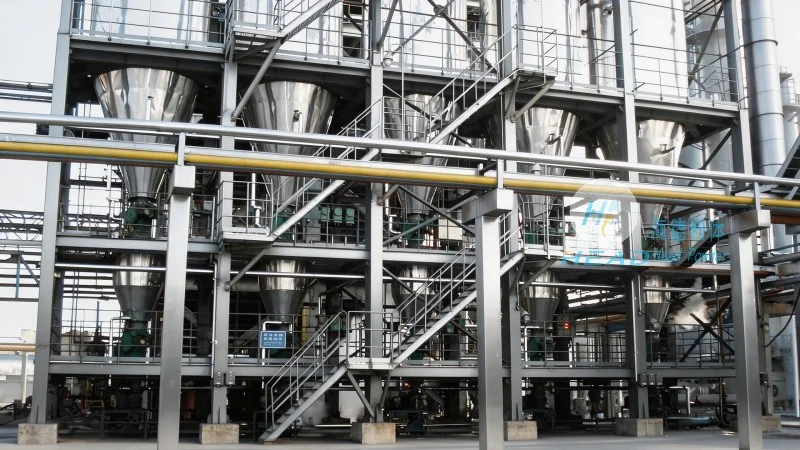
Another critical aspect is the system's layout and integration with existing infrastructure. The design must account for the source of the dust ash, such as from a cyclone separator or a baghouse filter, and the destination, such as a storage silo or a processing unit. The company's engineers work closely with clients to develop a comprehensive layout that minimizes material handling time and maximizes operational efficiency. This includes selecting the appropriate type of pneumatic conveying system—whether it is a positive pressure, negative pressure, or a combination of both—based on the specific requirements of the application.
Optimization Strategies for Pneumatic Conveying Systems
Optimizing a pneumatic conveying system for dust ash involves several strategies aimed at improving performance and reducing operational costs. One key approach is the use of advanced control systems that monitor and adjust the air flow and pressure in real-time. These systems can detect changes in material flow and automatically adjust parameters to maintain optimal conveying conditions, preventing system downtime and material blockages. HeadPowder incorporates such intelligent control solutions into its designs to enhance system reliability and efficiency.
Furthermore, the selection of appropriate equipment components is crucial for optimization. This includes high-quality pipeline materials that resist corrosion and abrasion, efficient air movers (such as blowers or fans) that provide consistent air pressure, and reliable separation devices (like cyclones or filters) that prevent material buildup and maintain system cleanliness. By using premium components, the system's lifespan is extended, and maintenance costs are reduced over time.
Case Studies and Real-World Applications
HeadPowder has successfully implemented pneumatic conveying systems for dust ash in various industrial sectors, including power generation, cement production, and waste management. For example, in a power plant, the company designed a positive pressure system to transport fly ash from the boiler to a storage silo, reducing the need for manual handling and improving safety. The system was optimized to handle the high volume of ash produced, with minimal pressure loss and efficient material transport. Another case involved a cement plant where the system was integrated with a baghouse filter to convey collected dust ash to a recycling facility, enhancing the plant's overall material recovery rate.
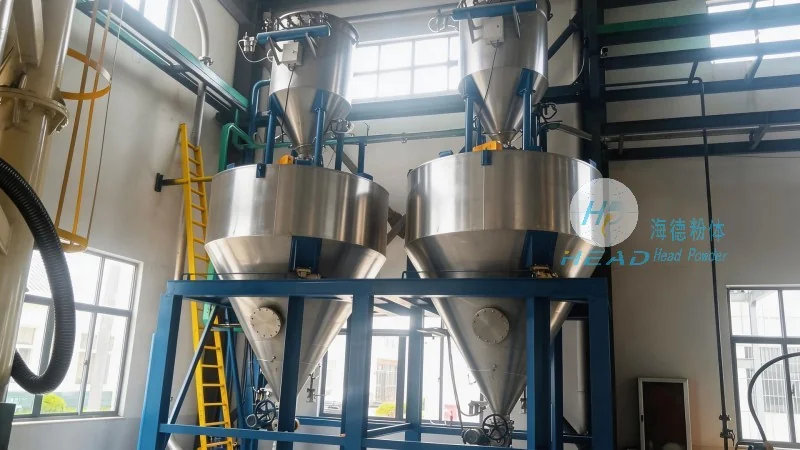
These successful implementations demonstrate the effectiveness of pneumatic conveying technology in improving operational efficiency and reducing costs for dust ash transport. The systems designed by HeadPowder not only meet the technical requirements but also align with the client's long-term operational goals, providing sustainable and reliable solutions.
Conclusion and Future Directions
In conclusion, the application and optimization of pneumatic conveying technology in dust ash transport offer significant benefits for industrial facilities. By leveraging advanced engineering and tailored design, companies like HeadPowder can provide efficient and reliable solutions that enhance safety, reduce costs, and improve overall operational performance. As industrial processes continue to evolve, the importance of effective material handling systems will only grow, making pneumatic conveying an essential technology for dust ash management.
HeadPowder remains committed to providing innovative and sustainable solutions for dust ash transport, leveraging its expertise and cutting-edge technology to meet the evolving needs of its clients. With a focus on quality, efficiency, and customer satisfaction, the company continues to be a leader in the field of pneumatic conveying systems for dust ash applications.