

Preventing Dust Leakage in Pneumatic Conveying Systems for Wheat Transport
When it comes to transporting wheat efficiently and safely, pneumatic conveying systems have become a cornerstone of modern grain handling operations. These systems use air pressure to move bulk materials like wheat through pipelines, offering advantages such as reduced labor costs, minimized material damage, and improved hygiene. However, a common challenge in such systems is the prevention of dust leakage, which can lead to operational inefficiencies, health hazards, and environmental concerns. This article explores effective strategies to mitigate dust leakage in pneumatic conveying systems specifically when handling wheat, with a focus on the expertise of Shandong HeadPowder Engineering Co., Ltd., a leading provider of grain handling solutions.
Understanding the Challenge of Dust Leakage in Wheat Handling
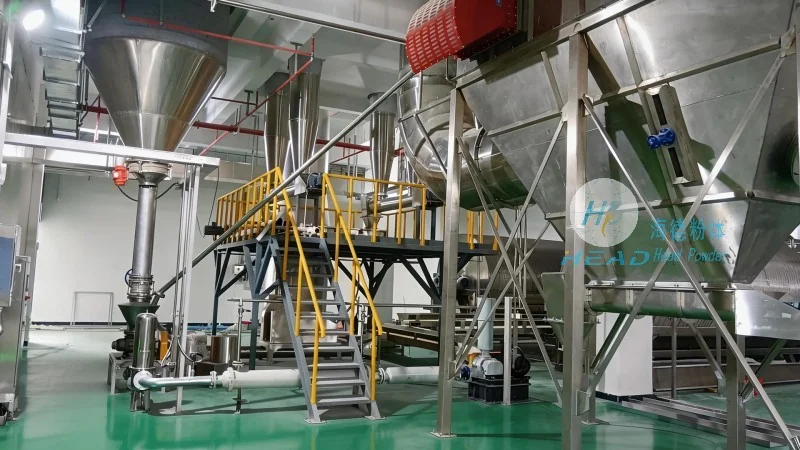
Wheat, with its fine particles and high moisture content in some cases, is particularly prone to generating dust during handling. In pneumatic conveying systems, the movement of wheat through pipelines can cause particles to become airborne, leading to dust leakage at various points such as silos, transfer points, and discharge outlets. This not only reduces the efficiency of the conveying process by causing material loss but also poses risks to workers' health due to inhalation of fine particles. Moreover, dust leakage can affect the quality of the final product by contaminating other grains or storage areas. Therefore, implementing robust measures to prevent dust leakage is crucial for maintaining the integrity of the wheat supply chain.
Key Strategies to Mitigate Dust Leakage in Pneumatic Systems
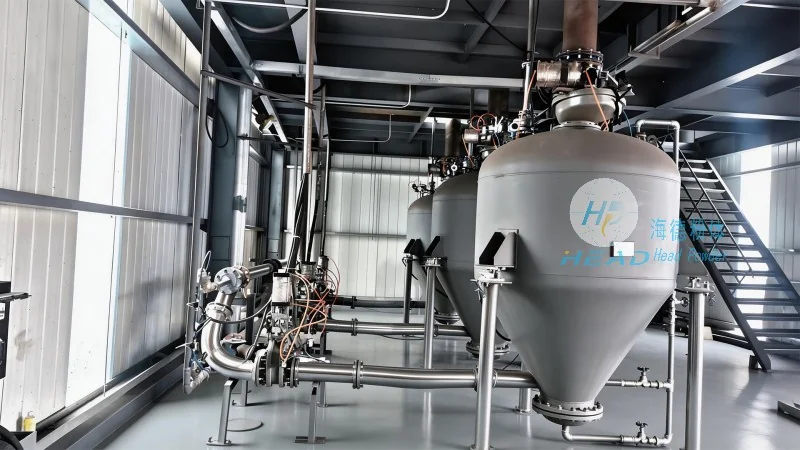
Several strategies are employed to minimize dust leakage in pneumatic conveying systems for wheat transport. One of the primary approaches is the use of high-quality sealing components and maintenance practices. This includes regular inspection and replacement of seals at silo inlets, transfer points, and discharge valves to ensure a tight fit and prevent air and dust from escaping. Additionally, the design of the conveying system itself plays a critical role. For instance, using appropriate pipeline diameters and maintaining consistent air pressure can help reduce the velocity of wheat particles, thereby minimizing the generation of dust. Another effective strategy is the incorporation of dust collection systems, such as cyclones or bag filters, which capture and contain any airborne particles before they escape into the environment. These systems not only prevent dust leakage but also improve overall air quality in the handling facility.
Role of HeadPowder Engineering in Providing Solutions
Shandong HeadPowder Engineering Co., Ltd., based in Shandong, China, specializes in the design, manufacturing, and installation of advanced pneumatic conveying systems tailored to the needs of the grain industry. With years of experience in handling bulk materials like wheat, the company understands the unique challenges associated with dust control. HeadPowder Engineering offers a range of solutions, including custom-designed sealing systems, dust collection equipment, and maintenance services, all aimed at reducing dust leakage and enhancing the efficiency of wheat transport operations. The company's expertise lies in integrating innovative technologies with practical applications, ensuring that their solutions are both effective and cost-efficient for clients. By partnering with HeadPowder Engineering, grain handlers can address the issue of dust leakage comprehensively, thereby improving operational safety, product quality, and overall productivity.
Conclusion
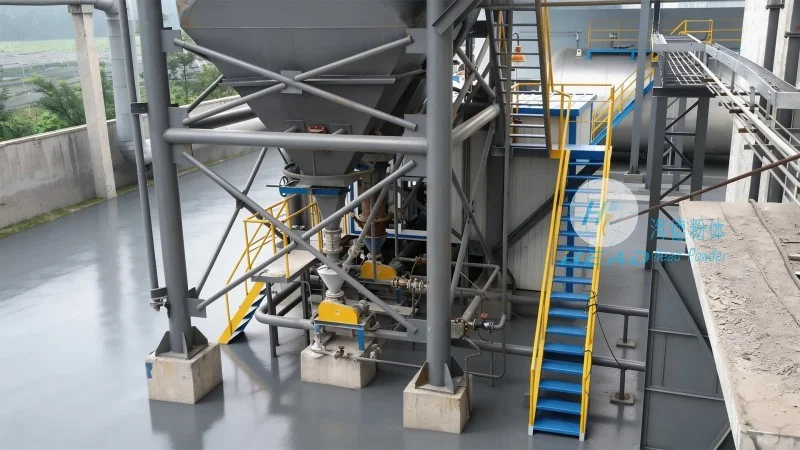
Preventing dust leakage in pneumatic conveying systems when transporting wheat is a multifaceted challenge that requires a combination of proper system design, regular maintenance, and effective dust control measures. The strategies outlined above, supported by the expertise of companies like Shandong HeadPowder Engineering Co., Ltd., can significantly mitigate the risks associated with dust leakage. By investing in high-quality sealing components, dust collection systems, and professional maintenance services, grain handlers can ensure the safe and efficient transport of wheat while maintaining compliance with health and environmental standards. As the demand for reliable grain handling solutions continues to grow, the importance of addressing dust leakage in pneumatic conveying systems cannot be overstated, making it a critical area of focus for the industry.