

Preventing Dust Leakage in Pneumatic Conveying Systems for Polyethylene Pellets
For industries dealing with polyethylene pellets, maintaining a clean and efficient operation is paramount. Pneumatic conveying systems are widely used to transport these lightweight, fine-grained materials, but they often face the critical challenge of dust leakage. This not only poses health and safety risks but also leads to material loss and operational inefficiencies. Understanding the root causes of dust leakage and implementing effective control measures is essential for optimizing the performance of polyethylene pellet handling processes.
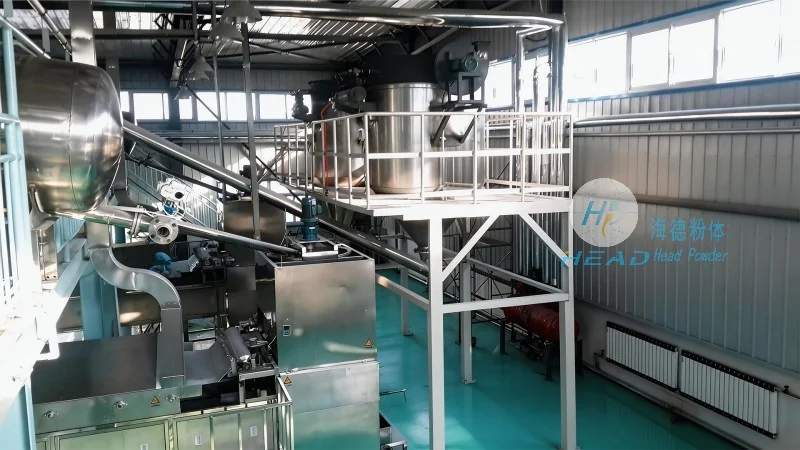
Introduction to Pneumatic Conveying Systems and Polyethylene Pellets
Pneumatic conveying systems utilize air pressure to move bulk materials like polyethylene pellets through a network of pipes. These systems are preferred for their ability to handle fine powders and granules, offering flexibility in layout and reduced need for mechanical components compared to traditional screw or belt conveyors. However, the very nature of polyethylene pellets—lightweight, low density, and prone to generating fine dust—makes them particularly challenging to transport without leakage. The dust generated during handling can contaminate the environment, affect product quality, and even cause equipment damage over time.
The Challenge of Dust Leakage in Polyethylene Pellet Handling
Dust leakage in pneumatic conveying systems for polyethylene pellets typically occurs at several critical points: pipe joints, valve connections, hopper inlets, and discharge points. The lightweight nature of the pellets allows even small gaps or poorly sealed components to release significant amounts of dust into the surrounding air. This not only leads to environmental pollution but also poses respiratory hazards for workers and can result in product contamination if the dust mixes with the pellets during transport. Additionally, dust accumulation in the system can block pipes, reduce airflow efficiency, and increase maintenance costs. Therefore, addressing dust leakage is a key concern for any facility processing polyethylene pellets.
Key Strategies for Dust Control in Pneumatic Conveying Systems
To mitigate dust leakage, several strategies are commonly employed in pneumatic conveying systems. First, ensuring proper sealing at all connections is crucial. This involves using high-quality gaskets, O-rings, and clamps that are compatible with polyethylene pellets and the system's operating conditions. For example, HeadPowder Engineering Co., Ltd., a leading provider of dust management solutions based in Shandong, China, specializes in designing custom sealing components that fit the specific requirements of polyethylene pellet handling. Their expertise in material selection and sealing technology helps minimize gaps and prevent air and dust escape.
Second, installing efficient dust collection and filtration systems is essential. These systems capture the fine particles generated during conveying and filter them before releasing air back into the environment. HeadPowder offers a range of filtration solutions, including baghouse filters and cartridge filters, tailored to the dust characteristics of polyethylene pellets. By capturing 99% or more of the dust, these systems significantly reduce environmental impact and maintain air quality within the facility.
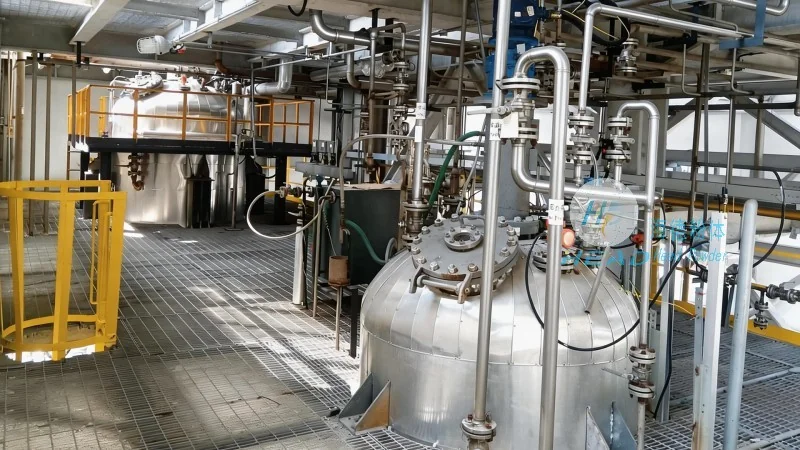
Third, optimizing the system's design and operation can also reduce dust leakage. This includes using appropriate air velocities to prevent material buildup in pipes, maintaining consistent pressure, and ensuring that the conveying system is properly sized for the volume and type of polyethylene pellets being handled. For instance, HeadPowder's engineering team conducts thorough system analyses to determine the optimal air flow rates and pressure levels, ensuring that the system operates efficiently without excessive dust generation.
HeadPowder's Expertise in Dust Management Solutions
HeadPowder Engineering Co., Ltd., with its headquarters in Shandong, China, has established itself as a trusted partner in providing comprehensive dust control solutions for pneumatic conveying systems. The company's team of experienced engineers and technicians brings decades of expertise in handling the unique challenges of polyethylene pellet processing. By leveraging advanced technology and a deep understanding of material behavior, HeadPowder develops customized solutions that address the specific needs of each client.
HeadPowder's approach to dust management involves a multi-faceted strategy. This includes designing and manufacturing high-quality sealing components, installing advanced filtration systems, and providing ongoing maintenance and support. The company's commitment to quality is evident in its adherence to international standards and rigorous testing protocols. For example, HeadPowder's sealing products are tested under various operating conditions to ensure they maintain their effectiveness over time, even with the abrasive nature of polyethylene pellets.
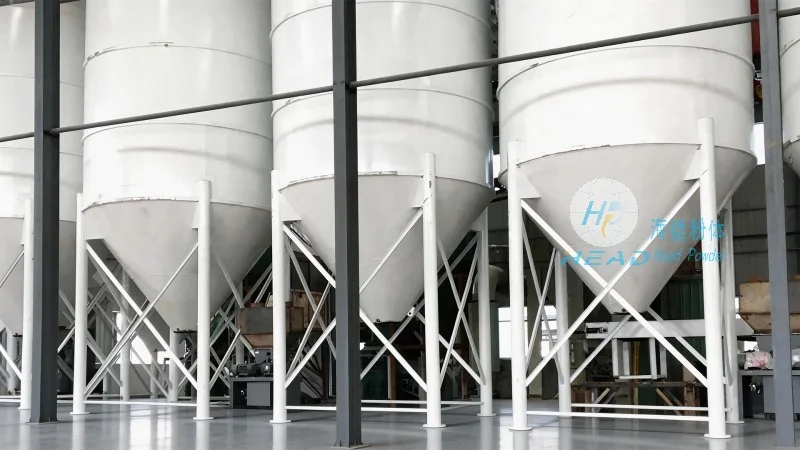
Customized Solutions for Different Polyethylene Pellet Handling Needs
Every polyethylene pellet handling facility has unique requirements, and HeadPowder recognizes the importance of tailored solutions. The company works closely with clients to understand their specific processes, including the type and size of pellets, the distance of transport, and the environmental regulations in their region. Based on this information, HeadPowder designs and implements customized pneumatic conveying systems that minimize dust leakage while maximizing efficiency. For example, for facilities handling large volumes of polyethylene pellets over long distances, HeadPowder may recommend a combination of high-capacity blowers, robust pipe networks, and advanced filtration systems to ensure consistent performance and low dust emissions.
HeadPowder also considers the operational aspects of the system, such as maintenance schedules and spare parts availability. By providing comprehensive support, the company ensures that clients can maintain their dust control systems effectively and minimize downtime. This includes offering training to facility staff on proper system operation and maintenance, as well as providing spare sealing components and filters to address any issues that may arise.
Ensuring Compliance and Efficiency in Dust-Free Conveying
In today's industrial environment, compliance with environmental regulations is a top priority for many companies. Dust control in pneumatic conveying systems is not only a safety and efficiency measure but also a way to meet regulatory requirements. HeadPowder's solutions are designed to help clients comply with local and international standards, such as the European Union's Industrial Emissions Directive and the U.S. Environmental Protection Agency's regulations. By reducing dust emissions, HeadPowder's systems help facilities avoid fines and maintain a positive environmental record.
Ultimately, the goal of dust control in polyethylene pellet handling is to achieve a balance between operational efficiency and environmental responsibility. HeadPowder Engineering Co., Ltd. provides the expertise and technology needed to achieve this balance, ensuring that facilities can transport polyethylene pellets safely and efficiently while minimizing the impact on the environment. With their customized solutions and commitment to quality, HeadPowder helps clients optimize their pneumatic conveying systems and maintain a competitive edge in the polyethylene industry.