

Design of Negative Pressure Pneumatic Conveying Equipment for Refractory Materials
HeadPowder, a leading engineering firm based in Shandong, China, specializes in the design and development of advanced negative pressure pneumatic conveying systems tailored for refractory materials. This article provides an in-depth look at the engineering principles, key components, and practical applications of such equipment, highlighting the company's expertise in optimizing material handling processes for industrial environments.
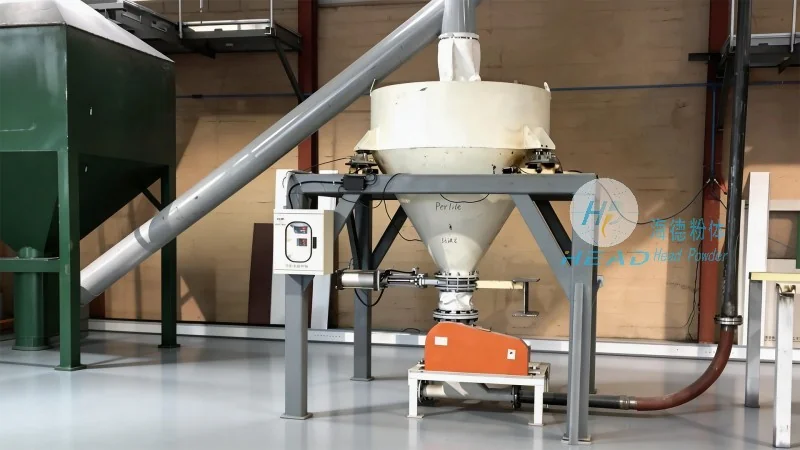
Company Overview and Expertise
Shandong HeadPowder Engineering Co., Ltd. (HeadPowder) is a professional manufacturer and supplier of high-quality pneumatic conveying solutions. With a strong focus on innovation and customer-centric design, HeadPowder has established itself as a trusted partner in the refractory industry. The company's headquarters is located in Shandong, China, where it leverages local industrial resources and expertise to deliver reliable, efficient, and cost-effective conveying systems. HeadPowder's team of experienced engineers and technicians work closely with clients to understand their specific material handling challenges and develop customized solutions that meet or exceed industry standards.
Understanding Negative Pressure Pneumatic Conveying
Negative pressure pneumatic conveying, also known as suction conveying, is a method of transporting bulk materials through a pipeline using a vacuum or negative pressure generated by a fan or blower. This technique is particularly suitable for handling fine or powdery refractory materials, which are often sensitive to mechanical stress or require a dust-free environment. The system operates by drawing material from a hopper or storage silo into the conveying line, where it is carried by a stream of air moving at a controlled velocity. The negative pressure ensures that the material is transported without the need for positive pressure, reducing the risk of material degradation and minimizing the potential for dust emissions.
Key Design Considerations for Refractory Material Conveying
Designing a negative pressure pneumatic conveying system for refractory materials involves several critical factors to ensure optimal performance and longevity. First, the material's physical properties, such as particle size, density, and moisture content, must be carefully analyzed. These characteristics influence the selection of the appropriate air velocity, pipeline diameter, and equipment components. For example, fine refractory powders may require higher air velocities to prevent clogging, while larger particles might need a larger pipeline diameter to maintain consistent flow. Second, the system's pressure drop and energy consumption are crucial considerations. Efficient design minimizes energy use while ensuring sufficient air flow to transport the material without excessive pressure loss. HeadPowder employs advanced computational fluid dynamics (CFD) simulations to model the conveying process and optimize system parameters before manufacturing.
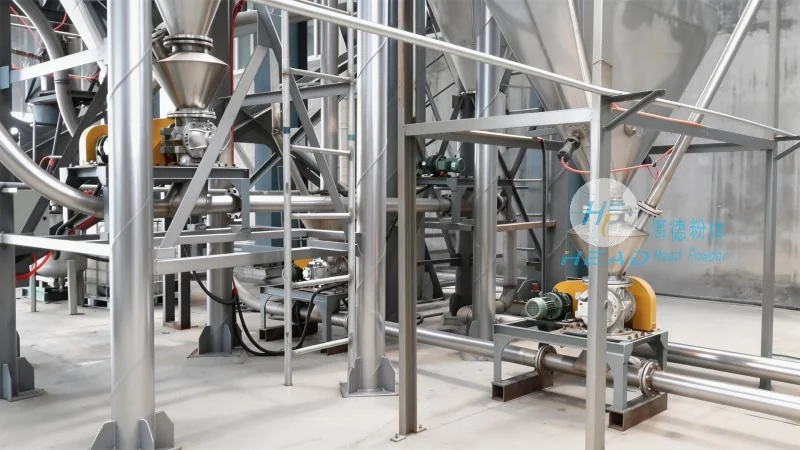
Core Components of the Conveying System
The negative pressure pneumatic conveying system for refractory materials typically consists of several key components, each playing a vital role in the overall operation. The primary components include a vacuum fan or blower, which generates the necessary negative pressure to draw material into the system. The fan is usually positioned at the end of the conveying line, opposite to the material source, to create a suction effect. A hopper or storage silo is used to hold the refractory material, equipped with a feed mechanism such as a rotary valve or screw feeder to control the material flow into the conveying line. The conveying line itself is made of materials resistant to high temperatures and corrosive substances, often stainless steel or special alloys, to withstand the harsh conditions of refractory materials. Additionally, the system includes a filter or dust collector to capture any airborne particles and return clean air back to the environment. The filter is designed to handle high dust loads and maintain efficient operation over extended periods.
Advantages of Negative Pressure Conveying for Refractory Materials
Compared to positive pressure conveying systems, negative pressure pneumatic conveying offers several advantages when handling refractory materials. One of the most significant benefits is the reduced risk of material contamination and degradation. Since the system operates under negative pressure, there is less exposure to air and moisture, which can affect the quality of refractory products. This is particularly important for high-purity refractory materials used in industrial applications. Another advantage is the lower energy consumption. Negative pressure systems typically require less power than positive pressure systems, resulting in cost savings for the end-user. Furthermore, the suction method allows for the transportation of materials over longer distances without the need for intermediate boosters, simplifying the system layout and reducing maintenance requirements. The system also provides better control over material flow, enabling precise dosing and feeding into downstream processes such as mixing or molding.
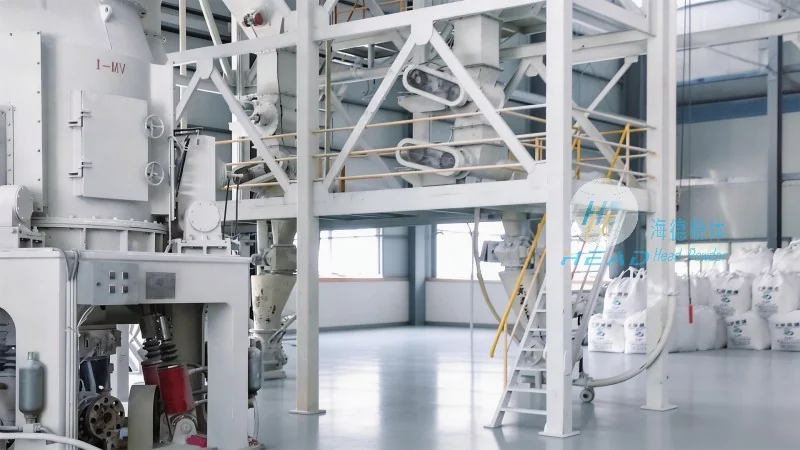
Application Examples and Case Studies
HeadPowder's negative pressure pneumatic conveying equipment has been successfully implemented in various industrial applications involving refractory materials. For instance, in a ceramic manufacturing plant, the system was used to transport fine alumina powder from storage silos to a mixing station. The design ensured minimal dust generation and consistent material flow, improving the quality of the final ceramic products. In another case, a refractory brick production facility utilized the conveying system to move raw materials from a raw material handling area to a batching plant. The system's ability to handle large volumes of material efficiently reduced labor costs and improved production throughput. These examples demonstrate the versatility and effectiveness of HeadPowder's negative pressure conveying solutions in real-world industrial settings.
Maintenance and Operational Tips
Proper maintenance is essential to ensure the long-term performance and reliability of a negative pressure pneumatic conveying system for refractory materials. Regular inspection of the fan and motor is crucial to detect any signs of wear or malfunction. The filter and dust collector should be cleaned or replaced as needed to maintain optimal airflow and prevent system blockages. Additionally, the conveying line and hopper should be inspected for any signs of material buildup or corrosion, which can affect system efficiency. HeadPowder recommends conducting routine maintenance checks at least once a month, with more frequent inspections during peak operation periods. Proper training of operators on the system's operation and maintenance procedures is also vital to prevent accidents and ensure smooth operation. By following these guidelines, users can maximize the lifespan of their conveying equipment and minimize downtime.
Conclusion
HeadPowder's design of negative pressure pneumatic conveying equipment for refractory materials represents a sophisticated solution to the challenges of handling fine and sensitive bulk materials. By integrating advanced engineering principles, robust component selection, and careful system optimization, HeadPowder delivers systems that enhance material handling efficiency, reduce operational costs, and improve product quality. The company's commitment to customer satisfaction and continuous innovation ensures that its conveying solutions remain at the forefront of industrial material handling technology. For businesses in the refractory industry seeking reliable and efficient material transport solutions, HeadPowder's negative pressure pneumatic conveying systems offer a proven and effective choice.