

Design of Negative Pressure Pneumatic Conveying System for Polypropylene Resin Powder
HeadPowder, a leading engineering company based in Shandong, China, specializes in the design and manufacturing of advanced material handling solutions. The negative pressure pneumatic conveying system for polypropylene resin powder is a sophisticated piece of equipment engineered to efficiently transport polypropylene resin powder from storage to processing units. This system is designed to meet the stringent requirements of modern manufacturing processes, ensuring reliable, dust-free, and energy-efficient material transfer.
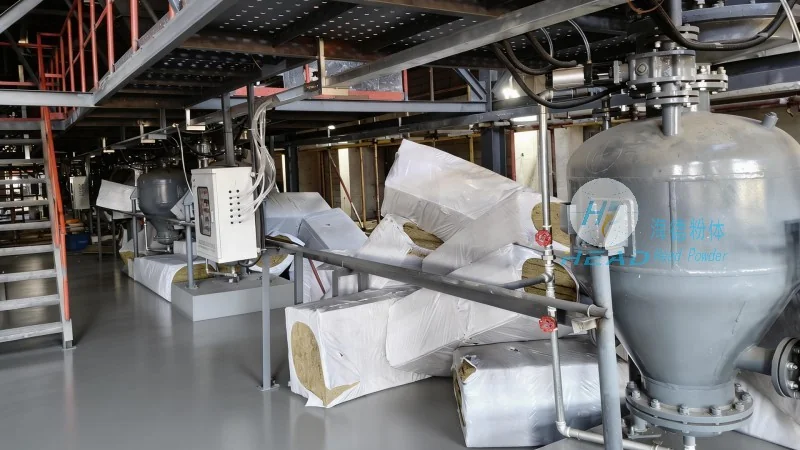
Key Features and Technical Specifications
The system utilizes a negative pressure (or vacuum) principle to draw polypropylene resin powder from a storage silo or hopper into the conveying line. The design incorporates high-efficiency cyclone separators and filtration systems to ensure that the conveyed material remains dry and free from contaminants. The conveying pipeline is typically made of corrosion-resistant materials such as stainless steel or high-density polyethylene, which are suitable for handling polypropylene resin powder without degradation. The system is equipped with variable speed drives and pressure sensors to maintain optimal conveying conditions, reducing the risk of material blockages and ensuring consistent flow rates.
Design Considerations for Polypropylene Resin Powder Handling
When designing a negative pressure pneumatic conveying system for polypropylene resin powder, several factors must be considered to ensure optimal performance. The particle size distribution of the resin powder is a critical parameter, as it affects the air velocity required for effective transport. The system is designed to handle a wide range of particle sizes, from fine powders to larger granules, by adjusting the air flow rate and pipeline diameter. The moisture content of the polypropylene resin powder is another important factor, as high moisture levels can lead to caking and blockages. The system incorporates drying and conditioning components to maintain the powder's quality and prevent clogging. Additionally, the system is designed to minimize material degradation, which is crucial for maintaining the resin's properties in subsequent processing steps. The use of low-temperature conveying air and gentle material handling reduces the risk of thermal degradation, preserving the polypropylene resin's molecular structure and mechanical properties.
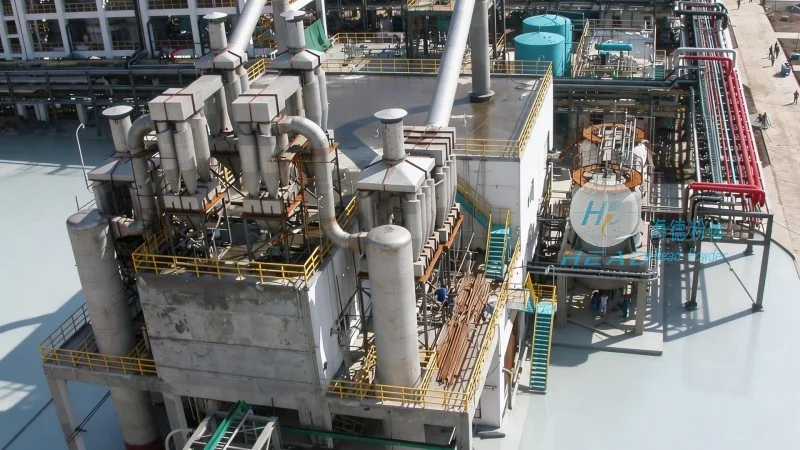
Application and Integration in Manufacturing Processes
The negative pressure pneumatic conveying system for polypropylene resin powder is widely used in various manufacturing processes, including plastic extrusion, injection molding, and compounding. The system integrates seamlessly with existing production lines, providing a clean and efficient method for transporting resin from storage to processing equipment. The dust-free operation of the system is particularly beneficial in environments where air quality and worker safety are paramount. The system's compact design allows for easy installation in limited space, making it suitable for both new and retrofit applications. The reliability of the system ensures minimal downtime, which is critical for maintaining production efficiency and meeting customer delivery schedules.
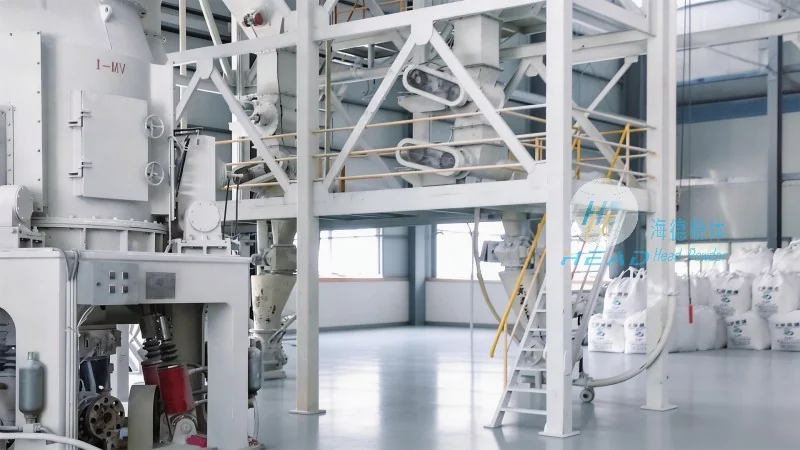
Advantages of the Negative Pressure Pneumatic Conveying System
Compared to positive pressure systems, the negative pressure system offers several advantages for polypropylene resin powder handling. The primary advantage is the reduced risk of material spillage and dust contamination, as the system operates under a slight vacuum, drawing material into the pipeline rather than blowing it out. This results in a cleaner working environment and lower maintenance costs associated with dust control. The system also consumes less energy than positive pressure systems, as it only needs to overcome the resistance of the pipeline and the material's density, rather than pushing the material through the system. The negative pressure system is also more flexible in terms of layout, as it can be installed in a variety of configurations without the need for high-pressure air compressors. Additionally, the system is easier to maintain, as the components are less exposed to high-pressure air and the risk of material blockages is lower.
Conclusion and Company Information
HeadPowder Engineering Co., Ltd., based in Shandong, China, provides comprehensive engineering solutions for negative pressure pneumatic conveying systems tailored to the specific needs of polypropylene resin powder handling. The company's expertise in material handling and process engineering ensures that the designed systems are efficient, reliable, and cost-effective. With a focus on quality and customer satisfaction, HeadPowder delivers solutions that enhance production efficiency and maintain the quality of polypropylene resin powder throughout the manufacturing process. For more information about the negative pressure pneumatic conveying system for polypropylene resin powder, please contact HeadPowder Engineering Co., Ltd. at their address in Shandong, China.