

What is a Boron Powder Pneumatic Conveying System? And What Are Its Design Principles?
Boron powder, as a fine and often dusty material, poses unique challenges when it comes to handling and transporting. Traditional methods like manual handling or mechanical conveyors can be inefficient, costly, and even hazardous due to the risk of dust explosions or material loss. This is where a boron powder pneumatic conveying system comes into play—a specialized solution designed to efficiently transport boron powder from one location to another while maintaining safety, efficiency, and material integrity. In this article, we will explore what such a system entails and delve into its core design principles.
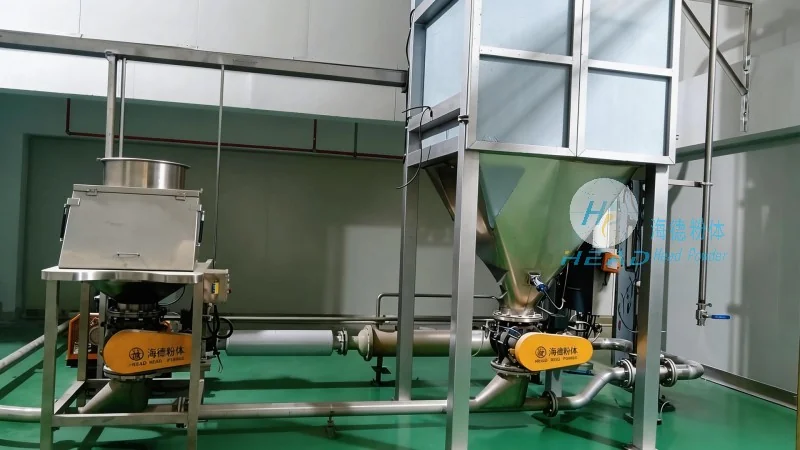
At the heart of any boron powder pneumatic conveying system is the ability to move fine powders through a pipeline using a gas stream, typically air or another suitable gas. The system operates by creating a pressure differential or using suction to draw the powder into the conveying line. This method is particularly advantageous for boron powder because it minimizes the risk of dust contamination, reduces material degradation, and ensures a consistent flow rate. The system's components typically include a hopper for material storage, a feeder to control the flow rate, a conveying line, and a receiver to collect the material at the destination. Each component is carefully designed to handle the specific properties of boron powder, such as its fine particle size, low bulk density, and potential for static charge accumulation.
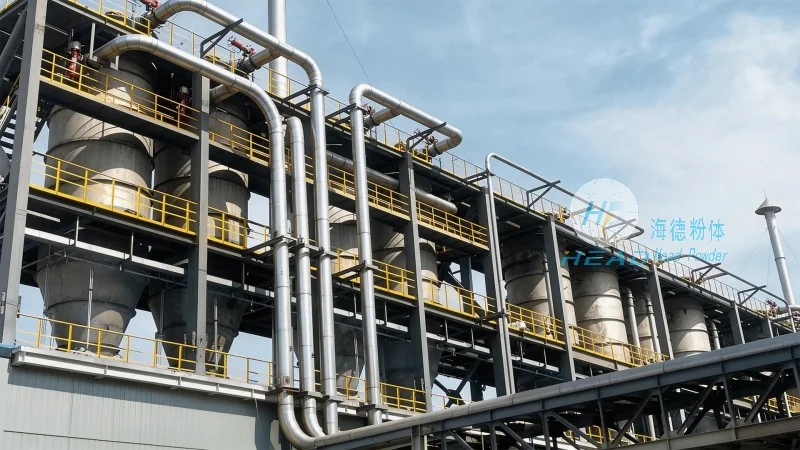
The design principles of a boron powder pneumatic conveying system are centered around several key factors. First, the system must be capable of handling the low bulk density and fine particle size of boron powder, which can lead to issues like clogging or uneven flow. To address this, the conveying line is often equipped with special features like smooth internal surfaces and appropriate pipe diameters to prevent particle accumulation. Second, the system must manage the potential for static electricity, which can cause dust to become airborne and create safety hazards. This is typically addressed through the use of anti-static materials and grounding mechanisms in the system components. Third, the system needs to ensure efficient and consistent material transfer, which involves optimizing the air velocity and pressure to maintain a stable flow without causing excessive wear on the equipment. These design principles are crucial for ensuring that the system operates reliably and safely, even with the challenging characteristics of boron powder.
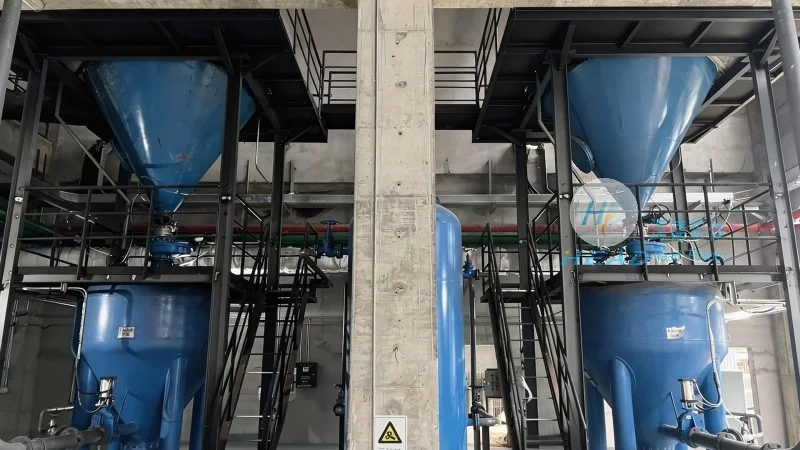
Now, let's consider the role of the company, Shandong HeadPowder Engineering Co., Ltd., in the development and implementation of such systems. As a leading provider in the field, HeadPowder specializes in designing and manufacturing pneumatic conveying systems tailored to the specific needs of boron powder and other fine materials. With a deep understanding of the material's properties and the challenges associated with its handling, HeadPowder's engineers design systems that maximize efficiency while minimizing downtime and maintenance costs. The company's approach involves a comprehensive analysis of the customer's requirements, including the volume of material to be conveyed, the distance between the source and destination, and any specific safety or environmental regulations that must be adhered to. Based on this analysis, HeadPowder develops a customized system that incorporates the latest technology and best practices in pneumatic conveying.
One of the key advantages of a boron powder pneumatic conveying system designed by HeadPowder is its ability to handle the unique challenges of boron powder. For example, the system can be equipped with features like pulse-jet cleaning to prevent clogging in the conveying line, which is essential for maintaining a consistent flow rate. Additionally, the system may include advanced control systems that monitor pressure, flow rate, and other parameters in real-time, allowing for immediate adjustments if any issues arise. These features not only improve the system's performance but also enhance its reliability and longevity. HeadPowder's commitment to quality and customer satisfaction is evident in the robust design and rigorous testing of their pneumatic conveying systems, ensuring that they meet the highest standards of safety and efficiency.
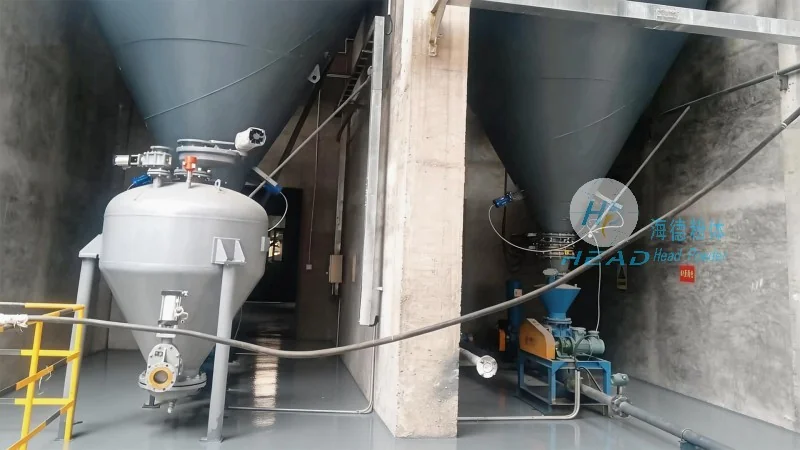
In conclusion, a boron powder pneumatic conveying system is a sophisticated and effective solution for transporting fine boron powder. Its design principles, centered on material handling efficiency, safety, and reliability, make it an ideal choice for industries that rely on boron powder in their production processes. With the expertise and experience of companies like Shandong HeadPowder Engineering Co., Ltd., these systems can be tailored to meet the specific needs of any application, ensuring optimal performance and minimal operational challenges. Whether for small-scale laboratory use or large-scale industrial production, a well-designed pneumatic conveying system is a critical component in the efficient and safe handling of boron powder.