

What is a Boron Nitride Pneumatic Conveying System? And What Are Its Design Principles?
HeadPowder, a renowned name in the field of industrial material handling, specializes in advanced pneumatic conveying solutions. Based in Shandong, China, the company has established itself as a leader in providing efficient and reliable systems for transporting various materials, including specialized compounds like boron nitride. This article delves into the core components, operational mechanics, and design principles of a boron nitride pneumatic conveying system, offering insights into how such systems enhance material handling processes in industrial settings.
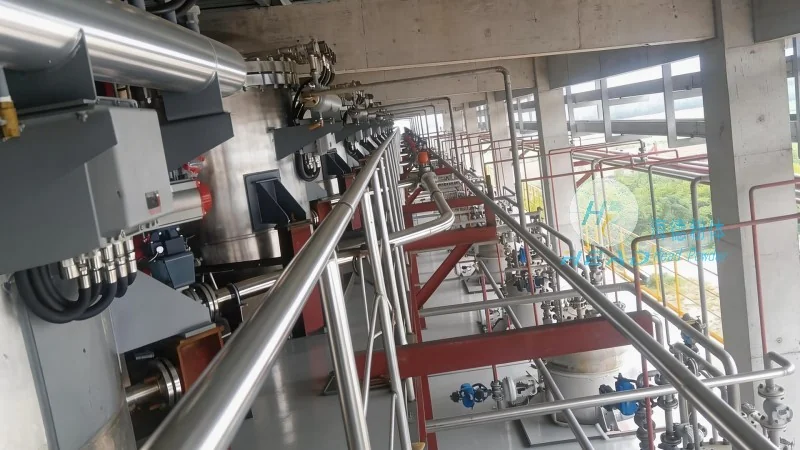
Understanding Boron Nitride Pneumatic Conveying Systems
A boron nitride pneumatic conveying system is a sophisticated piece of equipment designed to transport dry powders and granular materials through a pipeline using compressed air or other gas streams. Unlike traditional mechanical conveying methods, which rely on belts, screws, or buckets, pneumatic systems utilize the force of air to move materials, making them particularly suitable for handling delicate or abrasive substances like boron nitride. Boron nitride itself is a white, thermally stable compound with excellent thermal conductivity and electrical insulating properties, commonly used in high-tech applications such as aerospace, electronics, and advanced ceramics. The pneumatic conveying system ensures that these materials are moved with minimal degradation, preserving their quality and integrity throughout the process.
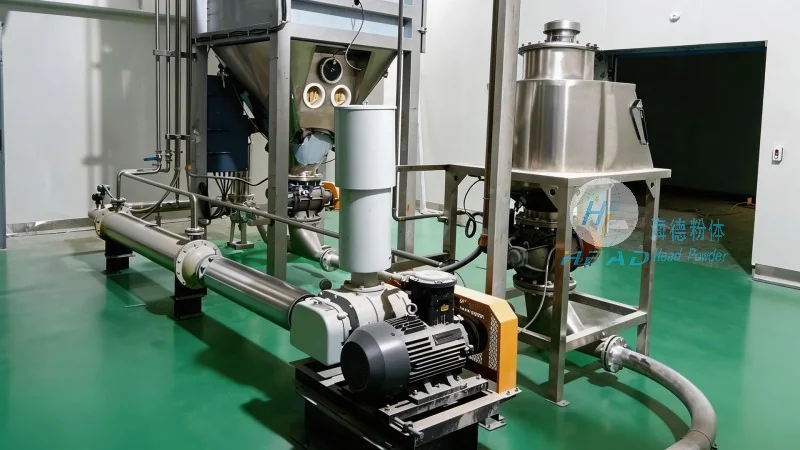
Design Principles Behind Boron Nitride Pneumatic Conveying Systems
The design of a boron nitride pneumatic conveying system is governed by several critical principles aimed at optimizing performance, efficiency, and material safety. The first principle is the selection of appropriate air velocity and pressure. The system must maintain a velocity high enough to keep the material suspended in the air stream but low enough to prevent excessive wear on the pipeline and components. For boron nitride, which is a fine powder, the air velocity is typically maintained between 20 to 30 meters per second, ensuring that the particles remain in suspension without settling or clogging the lines. Another key design consideration is the choice of materials for the conveying pipeline and components. Boron nitride is chemically inert and resistant to corrosion, but the system must still use materials that can withstand the abrasive nature of the powder. Stainless steel, high-grade plastic, or specialized coatings are often used for the pipeline and fittings to prevent wear and ensure long-term durability. The system also incorporates features such as cyclone separators and filters to separate the material from the air stream, allowing for efficient recovery and recycling of the material while maintaining air quality and compliance with environmental regulations. Additionally, the design must account for the potential for static electricity buildup, as fine powders like boron nitride can generate static charges. Proper grounding and anti-static measures are integrated into the system to prevent sparks and ensure safe operation.
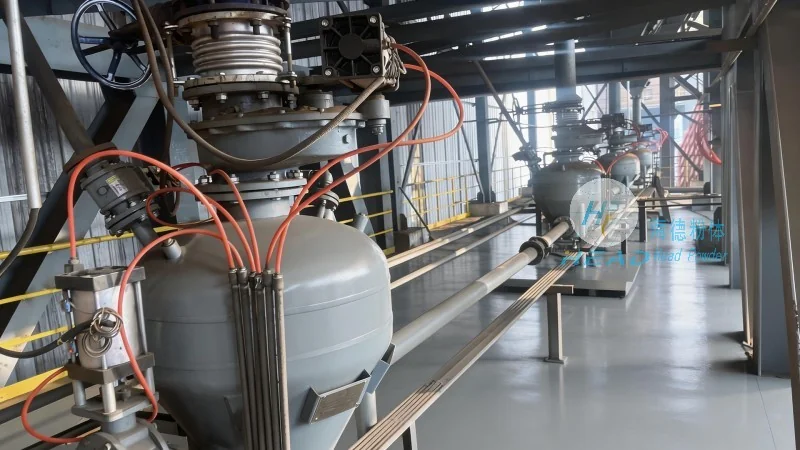
Key Features and Applications of Boron Nitride Pneumatic Conveying Systems
Boron nitride pneumatic conveying systems offer several distinct advantages over traditional conveying methods, making them ideal for industries that require precise and gentle handling of delicate materials. One of the primary features is the ability to transport materials over long distances without the need for multiple transfer points or manual intervention. This reduces the risk of material contamination and ensures a continuous flow of product. The systems are also highly flexible, allowing for changes in the layout or direction of the pipeline without significant modifications. This adaptability is particularly valuable in manufacturing environments where production lines may need to be reconfigured or expanded. Another key feature is the energy efficiency of pneumatic systems. By using compressed air, the system can move materials with less energy consumption compared to mechanical systems, which often require more power to operate. This efficiency translates into lower operational costs and reduced environmental impact. In terms of applications, boron nitride pneumatic conveying systems are widely used in the production of advanced ceramics, where the material is used as a filler or coating. They are also employed in the electronics industry for the handling of boron nitride powders used in thermal management applications. Additionally, the systems are utilized in aerospace manufacturing for the transport of boron nitride-based composites, which are used in high-performance components such as turbine blades and heat shields. The systems are designed to handle the specific properties of boron nitride, such as its low thermal expansion and high thermal stability, ensuring that the material remains in optimal condition throughout the conveying process.
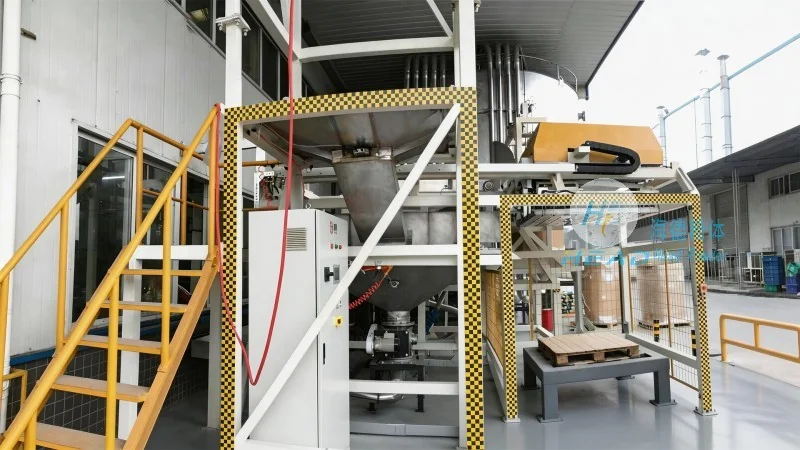
Contact Information for Shandong HeadPowder Engineering Co., Ltd.
For inquiries or to learn more about boron nitride pneumatic conveying systems and other industrial material handling solutions, please contact Shandong HeadPowder Engineering Co., Ltd. The company is based in Shandong, China, and serves clients globally with customized solutions tailored to their specific needs. HeadPowder's team of experts provides comprehensive support, from system design and installation to maintenance and troubleshooting, ensuring that clients receive the highest level of service and performance from their pneumatic conveying systems.