

What is a Soybean Grain Pneumatic Conveying System? Exploring Its Design Principles
Welcome to the world of efficient agricultural processing, where technology meets tradition to enhance productivity and safety in grain handling. This article delves into the soybean grain pneumatic conveying system, a critical piece of equipment used in modern soybean processing facilities. We will explore what this system entails and the fundamental design principles that govern its operation, providing a comprehensive understanding for industry professionals and enthusiasts alike.
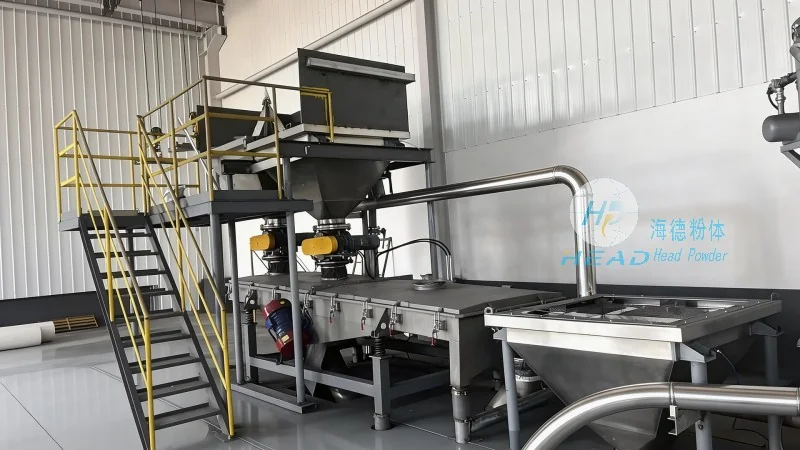
Introduction to Soybean Grain Pneumatic Conveying Systems
A soybean grain pneumatic conveying system is a specialized piece of machinery designed to transport soybeans and other grain products through a pipeline using air pressure or suction. Unlike traditional mechanical conveyors, which rely on belts or buckets, pneumatic systems utilize the force of air to move materials, offering several advantages such as reduced labor costs, improved hygiene, and the ability to handle a wide range of grain types, including soybeans. These systems are widely used in soybean processing plants, from storage and handling to processing and packaging, ensuring a smooth and efficient workflow.
HeadPowder Engineering: Your Trusted Partner in Agricultural Equipment
At Shandong HeadPowder Engineering Co., Ltd., we specialize in the design, manufacturing, and installation of advanced pneumatic conveying systems tailored to the unique needs of the agricultural industry. With our headquarters located in Shandong, China, our team of experts combines years of experience and cutting-edge technology to deliver solutions that meet the highest standards of efficiency and reliability. Our commitment to quality and customer satisfaction has made us a leading name in the field, providing clients with robust and durable equipment that enhances their operational capabilities.
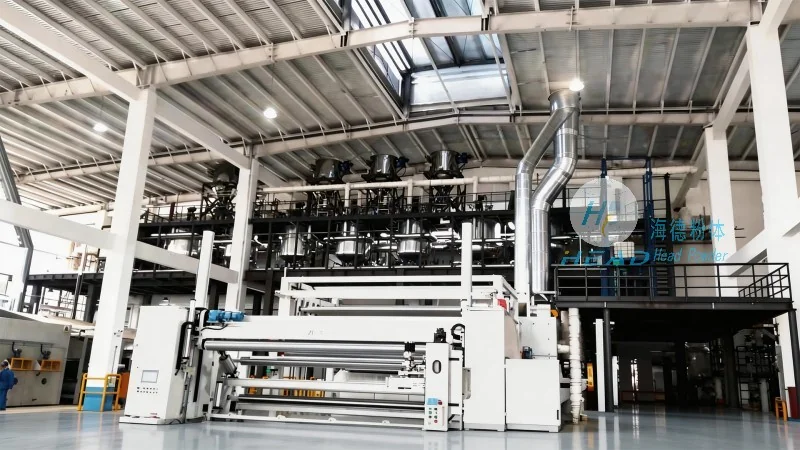
Core Design Principles of Pneumatic Conveying Systems
The design of a soybean grain pneumatic conveying system is based on several key principles that ensure optimal performance and safety. The primary principle is the use of air pressure or vacuum to move the material through the pipeline. The system typically consists of a hopper, a blower or vacuum pump, a pipeline network, and a discharge point. The hopper is where the soybeans are stored and fed into the system, while the blower or pump generates the necessary air pressure to propel the material. The pipeline network connects the hopper to the discharge point, and the discharge point is where the soybeans are released into the next stage of processing. The design must also consider factors such as the grain's bulk density, moisture content, and flow characteristics to ensure efficient and safe transport. For soybeans, which are relatively light and have a tendency to clump, the system must be designed to prevent blockages and maintain consistent flow rates.
Key Components and Their Functions
Understanding the components of a pneumatic conveying system is crucial for grasping its design and operation. The main components include the hopper, which stores the soybeans and feeds them into the system; the air mover, which provides the necessary pressure or suction; the pipeline, which transports the material; and the discharge device, which releases the soybeans at the desired location. The hopper is typically equipped with a feeder to control the flow rate of the soybeans, ensuring a steady supply to the air mover. The air mover, whether a positive displacement blower or a vacuum pump, generates the force needed to move the material. The pipeline is made of materials such as stainless steel or plastic, depending on the application, to prevent corrosion and ensure durability. The discharge device, such as a rotary valve or a venturi, controls the release of the soybeans, preventing backflow and ensuring smooth operation.
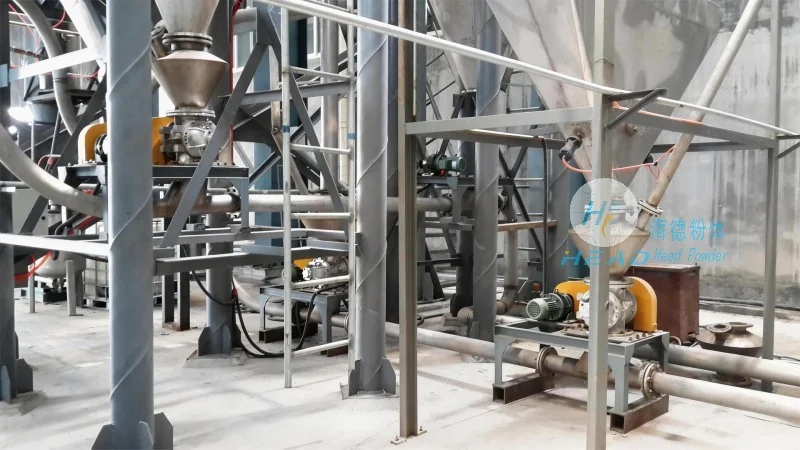
Advantages of Pneumatic Conveying Systems in Soybean Processing
Implementing a pneumatic conveying system in soybean processing offers numerous benefits that enhance overall efficiency and productivity. One of the primary advantages is the reduction in labor costs, as the system automates the material handling process, eliminating the need for manual labor. This not only saves money but also improves workplace safety by reducing the risk of accidents associated with manual handling. Another advantage is improved hygiene, as the system is enclosed, preventing contamination from dust, dirt, or other external factors. This is particularly important in food processing, where maintaining a clean environment is critical for product quality and safety. Additionally, pneumatic systems offer flexibility in terms of layout, as the pipeline can be installed in various configurations to suit the plant's design. This allows for efficient use of space and easy integration with other processing equipment.
Applications and Use Cases
Soybean grain pneumatic conveying systems are used in a variety of applications within soybean processing facilities. They are commonly used for transporting soybeans from storage silos to processing lines, such as dehulling, cooking, and extrusion. The system can also be used to move soybeans from one processing stage to another, such as from the dehulling machine to the cooking tank. In addition, pneumatic systems are used for packaging, where the soybeans are conveyed from the processing line to the packaging machine. The versatility of the system makes it suitable for various stages of soybean processing, from raw material handling to final product packaging.
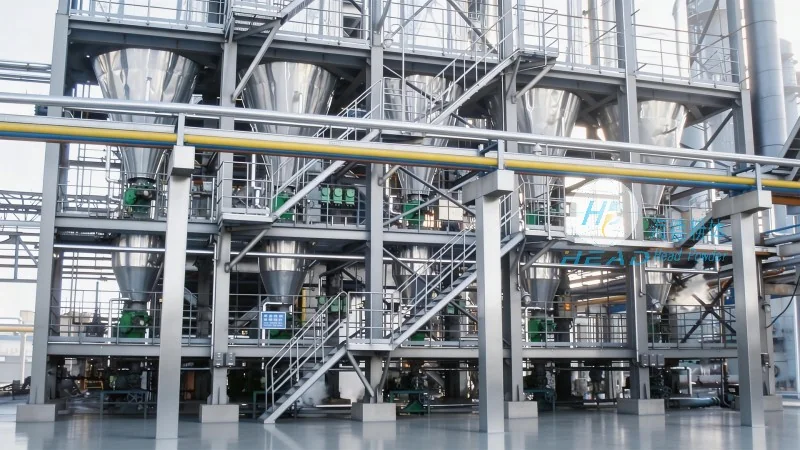
Maintenance and Operational Considerations
To ensure the longevity and optimal performance of a pneumatic conveying system, regular maintenance is essential. This includes cleaning the hopper and pipeline to prevent blockages, checking the air mover for proper operation, and inspecting the discharge device for wear and tear. The system should also be monitored for air pressure and flow rates to ensure consistent performance. Proper maintenance not only extends the life of the equipment but also reduces downtime and maintenance costs. Additionally, operators should be trained on the proper use and operation of the system to prevent accidents and ensure safety. By following these guidelines, soybean processing facilities can maximize the efficiency and reliability of their pneumatic conveying systems.
Conclusion: The Future of Soybean Processing with Pneumatic Conveying
In conclusion, the soybean grain pneumatic conveying system is a vital component of modern soybean processing facilities, offering efficient, safe, and hygienic material handling solutions. The design principles and components of these systems are carefully engineered to meet the specific needs of soybean processing, ensuring optimal performance and productivity. With the expertise of companies like Shandong HeadPowder Engineering Co., Ltd., soybean processing facilities can implement advanced pneumatic conveying systems that enhance their operational capabilities and contribute to their success. As the agricultural industry continues to evolve, the use of pneumatic conveying systems will remain a key technology in improving the efficiency and sustainability of soybean processing.