

What is an Automatic Feeding Pneumatic Conveying System? And What Are Its Design Principles?
When it comes to efficient material handling in industrial settings, the automatic feeding pneumatic conveying system stands out as a sophisticated solution. This technology is designed to transport bulk materials like powders, granules, and other fine particles from one location to another with minimal human intervention. The system integrates advanced automation features to ensure precise and reliable material transfer, making it an essential component in various manufacturing and processing industries. Developed by Shandong HeadPowder Engineering Co., Ltd., a leading manufacturer based in Shandong, China, this system exemplifies modern engineering in material handling.
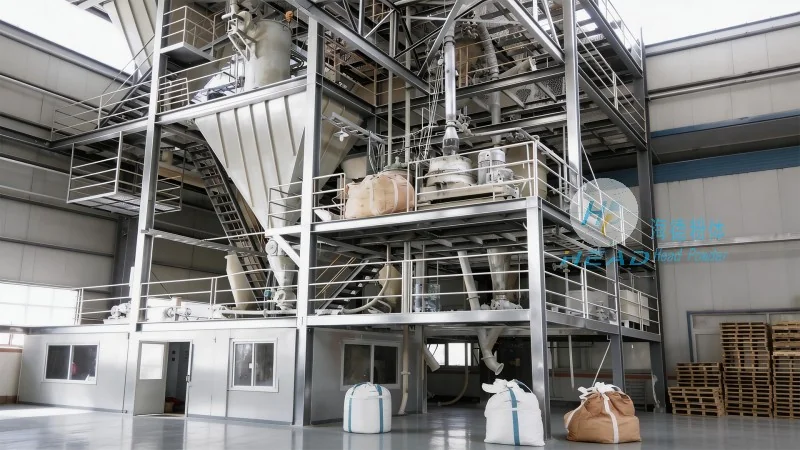
Understanding the Core Components of an Automatic Feeding Pneumatic Conveying System
At the heart of an automatic feeding pneumatic conveying system lies a combination of key components that work in harmony to achieve seamless material transport. These components typically include a feeding hopper, a conveying pipeline, a blower or compressor for air supply, and a control system. The feeding hopper is responsible for storing and metering the material, ensuring a consistent flow into the system. The conveying pipeline, often made of stainless steel or other corrosion-resistant materials, carries the material and air mixture through the system. The blower or compressor generates the necessary air pressure to move the material particles, while the control system monitors and adjusts the operation based on real-time conditions.
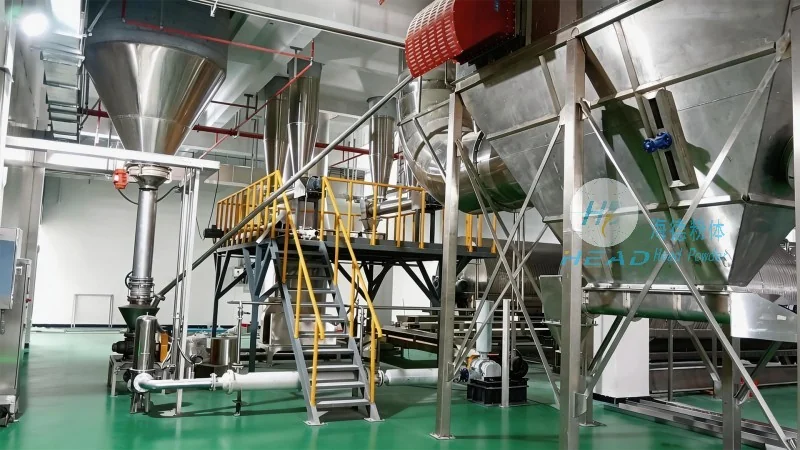
The Design Principles Behind Automatic Feeding Pneumatic Conveying
The design principles of an automatic feeding pneumatic conveying system are centered on optimizing material transport efficiency, reliability, and safety. One of the primary design considerations is the selection of the appropriate conveying method—either positive pressure (blow-through) or negative pressure (suction) systems. Positive pressure systems use a blower to push material through the pipeline, while negative pressure systems employ a vacuum to draw material into the system. The choice between these methods depends on factors such as material characteristics, distance to be conveyed, and system layout. Additionally, the system's design incorporates features like air filtration and separation to prevent material buildup and ensure clean operation. The control system plays a critical role in maintaining optimal air pressure, flow rates, and material feed rates, which are essential for preventing blockages and ensuring consistent performance.
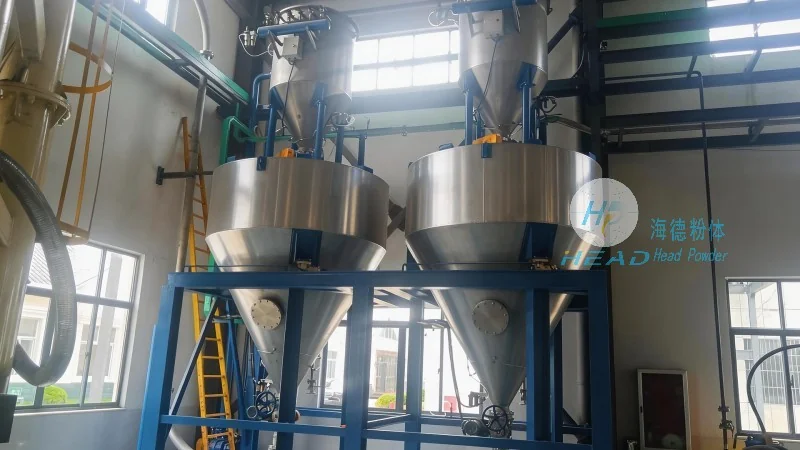
Key Features of an Automatic Feeding Pneumatic Conveying System
Automatic feeding pneumatic conveying systems are equipped with several features that enhance their functionality and user experience. These features include automated material feeding mechanisms, which can be integrated with upstream processes to ensure a continuous supply of material. The system may also include sensors and feedback loops to monitor material levels, air pressure, and flow rates, allowing for real-time adjustments. Additionally, the design often incorporates safety features such as pressure relief valves and emergency stop buttons to protect operators and equipment. The use of stainless steel components ensures durability and resistance to corrosion, making the system suitable for handling a wide range of materials, including those that are hygroscopic or abrasive.
Applications and Industries Benefiting from Automatic Feeding Pneumatic Conveying
Automatic feeding pneumatic conveying systems find applications in numerous industries where bulk material handling is critical. These include the pharmaceutical, food processing, chemical, and cement industries, among others. In the pharmaceutical sector, the system's ability to maintain sterile conditions and prevent contamination is paramount. Similarly, in the food industry, the system's hygienic design and ability to handle sensitive products without degradation are essential. The chemical industry benefits from the system's versatility in handling various powders and granules, while the cement industry relies on it for efficient transport of raw materials and finished products. Regardless of the industry, the automatic feeding pneumatic conveying system provides a reliable and efficient solution for material transport, reducing labor costs and improving overall operational efficiency.
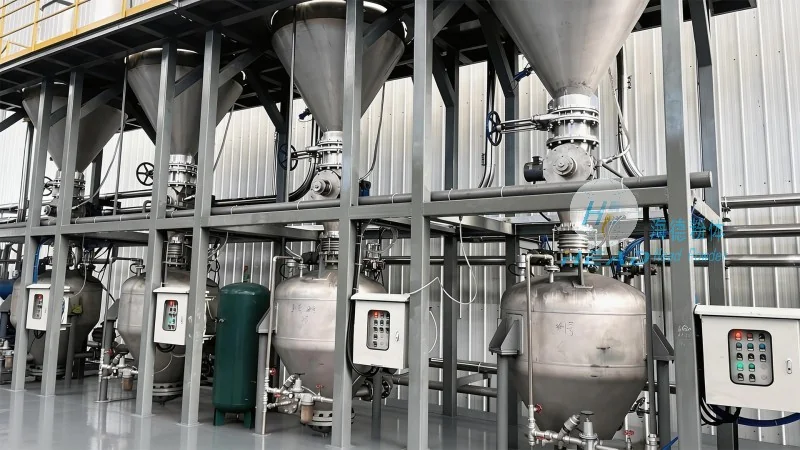
Conclusion: The Advantages of an Automatic Feeding Pneumatic Conveying System
In conclusion, the automatic feeding pneumatic conveying system represents a significant advancement in material handling technology. Its design principles, which prioritize efficiency, reliability, and safety, make it an ideal solution for modern industrial applications. By integrating advanced automation and control systems, this technology ensures consistent and precise material transport, reducing downtime and improving productivity. As industries continue to demand higher efficiency and lower operational costs, the automatic feeding pneumatic conveying system remains a key component in achieving these goals. The system's adaptability to various materials and applications further enhances its value, making it a preferred choice for businesses looking to optimize their material handling processes.