

What is a Wood Ash Pneumatic Conveying Machine? And What Are Its Design Principles?
Wood ash, a byproduct of biomass combustion, is often handled using specialized equipment to ensure efficient and safe transportation. The wood ash pneumatic conveying machine is a critical piece of industrial machinery designed to transport wood ash from its source to processing or disposal facilities. This equipment utilizes air pressure to move the ash through a pipeline system, offering a dust-free and efficient method of material handling compared to traditional methods like bucket elevators or belt conveyors.
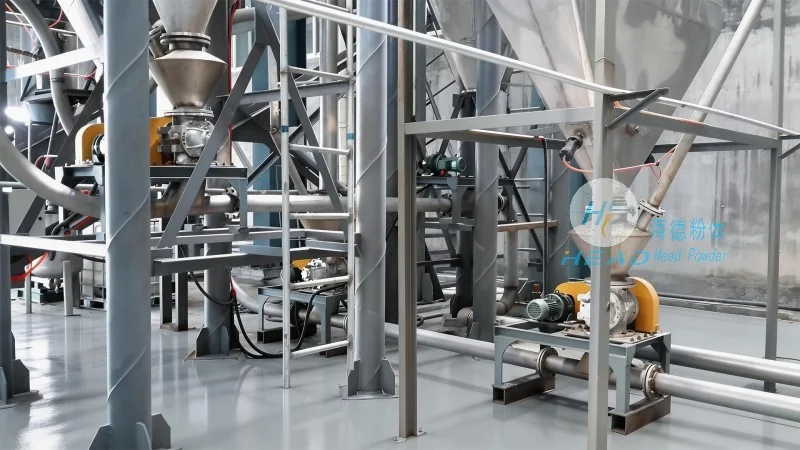
Company Overview: Shandong HeadPowder Engineering Co., Ltd.
HeadPowder, a leading manufacturer in the field of material handling equipment, specializes in the design, production, and supply of pneumatic conveying systems. With a strong commitment to quality and innovation, the company has established itself as a trusted partner for industries dealing with various bulk materials, including wood ash. HeadPowder's facilities are located in Shandong, China, where the company leverages advanced manufacturing technologies and a skilled workforce to deliver high-performance conveying solutions tailored to customer needs.
Design Principles of Pneumatic Conveying Systems
The core design principle of a wood ash pneumatic conveying machine is the use of air as the conveying medium. The system typically operates under either positive pressure (where air is forced through the pipeline) or negative pressure (where air is drawn out of the pipeline). For wood ash, positive pressure systems are commonly preferred due to their ability to handle abrasive materials and prevent dust leakage. The machine consists of several key components, including a hopper for material storage, a blower or air compressor to generate the air flow, a pipeline network to transport the ash, and a discharge point where the material is released. The design must consider factors such as the ash's particle size, moisture content, and density to ensure optimal performance and prevent blockages or system failures.
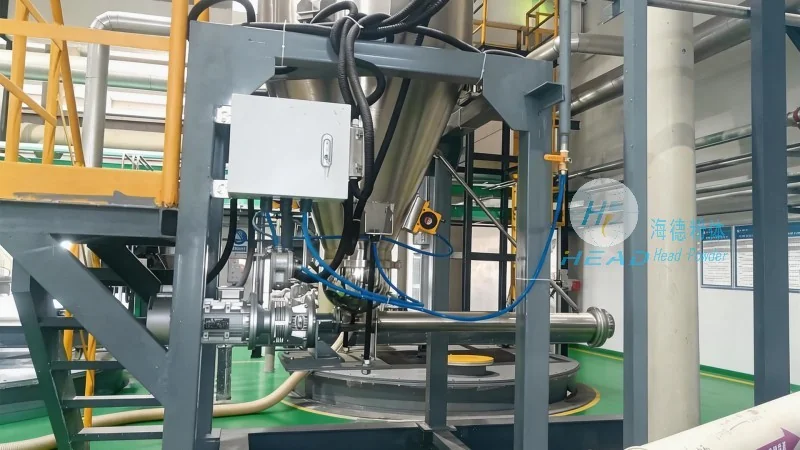
Key Components and Their Functions
Each component of the wood ash pneumatic conveying machine plays a vital role in the overall operation. The hopper is designed to hold a sufficient quantity of wood ash, with a discharge valve to control the flow rate. The blower or air compressor provides the necessary air pressure, with adjustable settings to match the material's characteristics. The pipeline network is made of durable materials like stainless steel or high-density polyethylene to withstand the abrasive nature of wood ash and resist corrosion. The pipeline may include bends, elbows, and expansion joints to accommodate changes in direction and prevent pressure losses. The discharge point is equipped with a filter or cyclone separator to remove any fine particles from the air before it is released into the environment, ensuring compliance with environmental regulations.
Advantages of Using Pneumatic Conveying for Wood Ash
Compared to traditional material handling methods, the wood ash pneumatic conveying machine offers several advantages. First, it provides a dust-free operation, which improves workplace safety and reduces the risk of respiratory issues for workers. Second, the system is highly efficient, with the ability to transport large volumes of ash over long distances with minimal energy consumption. Third, the equipment is compact and can be installed in confined spaces, making it suitable for facilities with limited floor space. Additionally, the pneumatic system is flexible, allowing for easy integration with existing processing lines and the ability to adjust the conveying rate as needed. These advantages make the wood ash pneumatic conveying machine an ideal solution for industries seeking to improve their material handling processes while maintaining environmental standards.
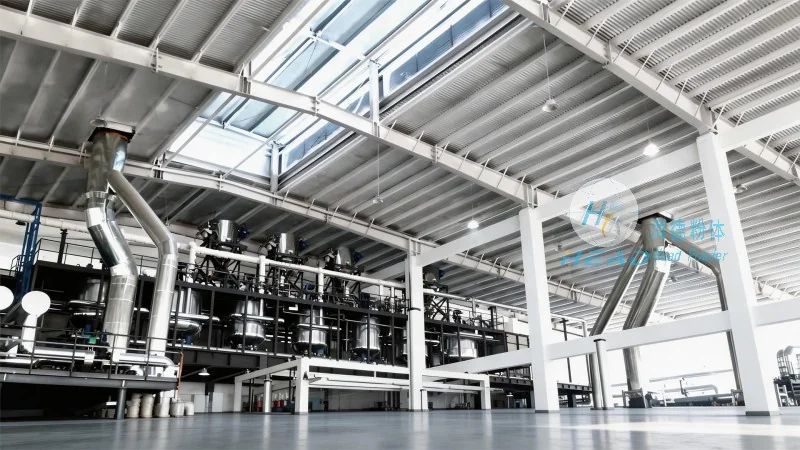
Applications and Industries
The wood ash pneumatic conveying machine is widely used in various industries that generate wood ash as a byproduct. These include biomass power plants, where wood ash is a byproduct of burning wood pellets or chips to generate electricity. The machine is also used in wood processing facilities, where ash is produced during the drying or processing of wood products. Additionally, the equipment is utilized in waste management facilities that handle wood waste and convert it into ash for disposal or reuse. The versatility of the pneumatic conveying system makes it suitable for a wide range of applications, from small-scale operations to large industrial plants.
Maintenance and Operational Considerations
To ensure the long-term performance and reliability of the wood ash pneumatic conveying machine, regular maintenance is essential. This includes checking the blower or air compressor for proper operation, inspecting the pipeline for any signs of wear or damage, and cleaning the filter or cyclone separator to prevent clogging. The hopper and discharge valve should also be inspected regularly to ensure they are functioning correctly and not leaking. Operational considerations include monitoring the air pressure and flow rate to maintain optimal performance, and adjusting the system as needed to handle changes in the ash's characteristics. Proper maintenance and operational practices can significantly extend the lifespan of the equipment and reduce downtime, ensuring consistent and efficient material handling.