

What is an Intelligent Centralized Pneumatic Conveying System Equipment? What is its Design Principl
Intelligent centralized pneumatic conveying systems represent a sophisticated solution for material handling in various industrial applications. These systems utilize compressed air to transport bulk materials from one location to another, offering advantages such as reduced labor costs, enhanced safety, and improved process efficiency. Understanding the components and design principles behind these systems is crucial for optimizing their performance and ensuring reliable operation.
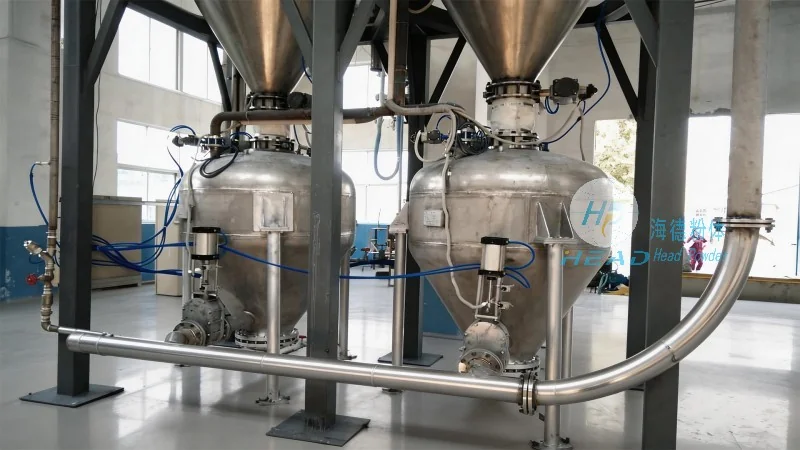
Overview of Intelligent Centralized Pneumatic Conveying Systems
At the core of intelligent centralized pneumatic conveying systems is a network of pipes, air compressors, and control units that work in tandem to transport materials. The system typically includes a central control panel that monitors and regulates the flow of air and material, ensuring consistent and efficient operation. This centralized approach allows for better management of material flow, reduces the need for multiple individual conveying lines, and minimizes the space required for installation.
Key Components and Their Functions
The intelligent centralized pneumatic conveying system comprises several critical components, each playing a vital role in the overall functionality. The primary components include:
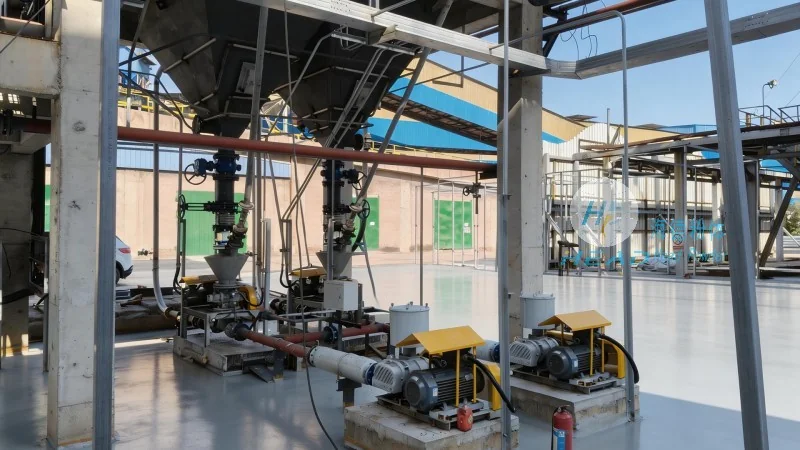
- Air Compressor: Provides the necessary pressure and airflow to move materials through the system. Modern systems often use energy-efficient compressors that can adjust output based on demand.
- Pneumatic Conveying Lines: A network of pipes that transport materials from the source to the destination. The design of these lines, including diameter, length, and bends, significantly impacts the system's performance and efficiency.
- Material Hoppers and Feeders: These components are responsible for feeding materials into the conveying lines. Intelligent feeders can regulate the flow rate to match the system's capacity, preventing blockages and ensuring smooth operation.
- Control and Monitoring Systems: Advanced control panels and sensors monitor system parameters such as pressure, flow rate, and material level. This allows for real-time adjustments and predictive maintenance, enhancing system reliability.
Design Principles and Engineering Considerations
The design of an intelligent centralized pneumatic conveying system involves careful consideration of several factors to ensure optimal performance. Key design principles include:
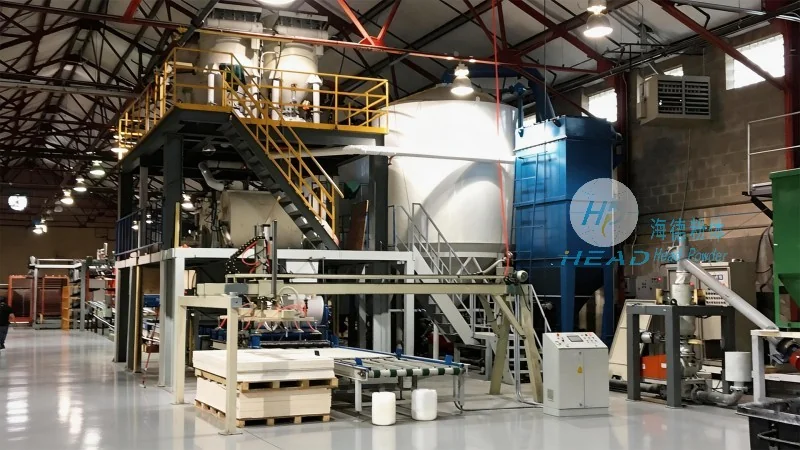
- System Sizing and Capacity: The system must be sized to handle the required material flow rate and pressure. Engineers calculate the necessary air volume and pressure based on the material's properties, such as particle size, density, and moisture content.
- Pipe Sizing and Layout: Proper pipe sizing is critical to maintain adequate airflow and prevent pressure drops. The layout of the conveying lines, including the number and type of bends, is optimized to minimize energy consumption and reduce wear on components.
- Material Compatibility: The system components must be compatible with the materials being conveyed. For example, materials that are abrasive or corrosive may require special materials for the pipes and valves to ensure longevity and prevent degradation.
- Energy Efficiency: Modern intelligent systems incorporate energy-saving features, such as variable speed drives and pressure regulation, to reduce operational costs and environmental impact.
Applications and Benefits in Industrial Settings
Intelligent centralized pneumatic conveying systems are widely used in various industries, including pharmaceuticals, food processing, chemicals, and manufacturing. The benefits of these systems include:
- Improved Safety: By eliminating the need for manual handling of bulk materials, the risk of accidents and exposure to hazardous materials is significantly reduced.
- Enhanced Product Quality: The enclosed system prevents contamination from dust, moisture, or other environmental factors, ensuring that the materials remain clean and consistent.
- Increased Efficiency: Centralized control allows for faster and more reliable material transfer, reducing downtime and improving overall production throughput.
- Space Optimization: The compact design of these systems saves valuable floor space, making them suitable for facilities with limited room for material handling equipment.
Conclusion and Company Information
Intelligent centralized pneumatic conveying systems represent a cutting-edge solution for efficient material handling, combining advanced technology with robust engineering principles. By understanding the design principles and components of these systems, industries can achieve improved operational efficiency, enhanced safety, and reduced costs. Shandong HeadPowder Engineering Co., Ltd., a leading provider in this field, specializes in the design, manufacturing, and installation of such systems, leveraging years of experience to deliver high-quality solutions tailored to specific industrial needs. With operations based in Shandong, China, the company is committed to providing reliable and innovative material handling solutions that meet the evolving demands of modern industries.