

What is a Powder Pneumatic Conveying System Equipment? What are its Design Principles?
A powder pneumatic conveying system is a specialized equipment used to transport bulk powder materials through a pipeline using air as the conveying medium. This technology is widely adopted in various industries such as chemical, food, pharmaceutical, and cement, where the efficient and safe transfer of powders is crucial. The system operates by creating a pressure or vacuum differential to move the powder particles along the pipeline, ensuring minimal product degradation and contamination.
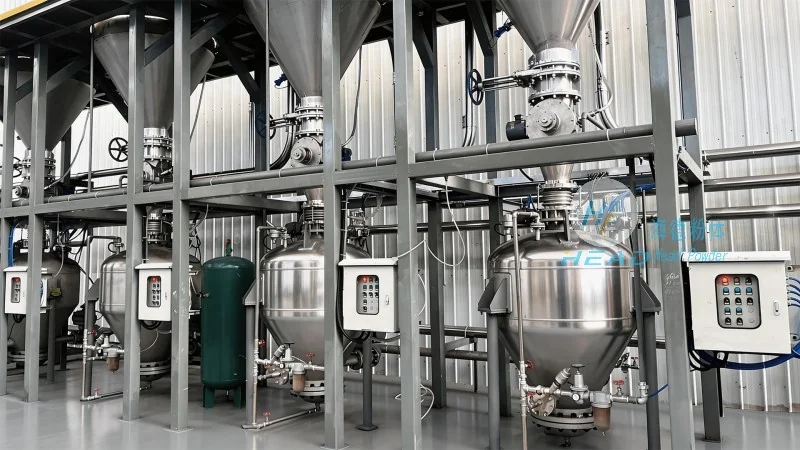
Key Components of a Powder Pneumatic Conveying System
The core components of a powder pneumatic conveying system include the hopper (for material storage), the air compressor or vacuum pump (to generate the conveying air), the pipeline network (for material transport), the control system (to regulate the conveying process), and the discharge device (for material release at the destination). Each component plays a vital role in ensuring the system functions efficiently and reliably. The hopper is designed to hold the bulk powder, often with a discharge valve to control the flow rate. The air compressor or vacuum pump provides the necessary pressure or suction to move the powder particles through the pipeline. The pipeline network is typically made of stainless steel or other corrosion-resistant materials to prevent material degradation and ensure hygiene, especially in industries like food and pharmaceuticals. The control system monitors and adjusts the conveying parameters, such as air pressure, flow rate, and material feed rate, to maintain optimal performance. The discharge device, such as a rotary valve or a venturi, releases the powder at the receiving end, ensuring a smooth and controlled discharge process.
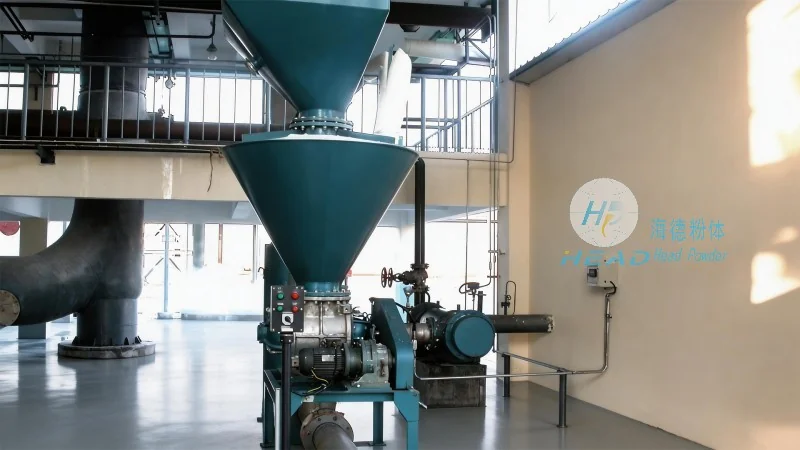
Design Principles of Powder Pneumatic Conveying Systems
The design principles of a powder pneumatic conveying system focus on several key factors to ensure efficient and reliable operation. First, the system must be designed to handle the specific properties of the powder material, including its particle size, density, moisture content, and flowability. These properties determine the appropriate conveying method (e.g., pressure or vacuum system) and the required air velocity and pressure. For example, fine powders with high moisture content may require a vacuum system to prevent caking and blockages, while coarse powders with low moisture content may be suitable for a pressure system. Second, the system design must consider the distance and elevation changes between the source and destination. The air velocity and pressure must be sufficient to overcome the gravitational and frictional forces acting on the powder particles. The pipeline diameter and length are also critical factors, as they affect the pressure drop and the overall conveying efficiency. Third, the system must be designed for minimal product degradation and contamination. This includes using corrosion-resistant materials for the pipeline and components, ensuring proper sealing to prevent air leakage, and maintaining a clean environment to avoid cross-contamination. The control system plays a crucial role in achieving this by regulating the conveying parameters and preventing overloading or underloading of the system. Fourth, the system must be designed for easy maintenance and operation. This includes providing access points for cleaning and maintenance, using components that are easy to replace, and integrating a user-friendly control interface. The design should also consider the safety aspects, such as preventing dust explosions by using explosion-proof components and ensuring proper ventilation.
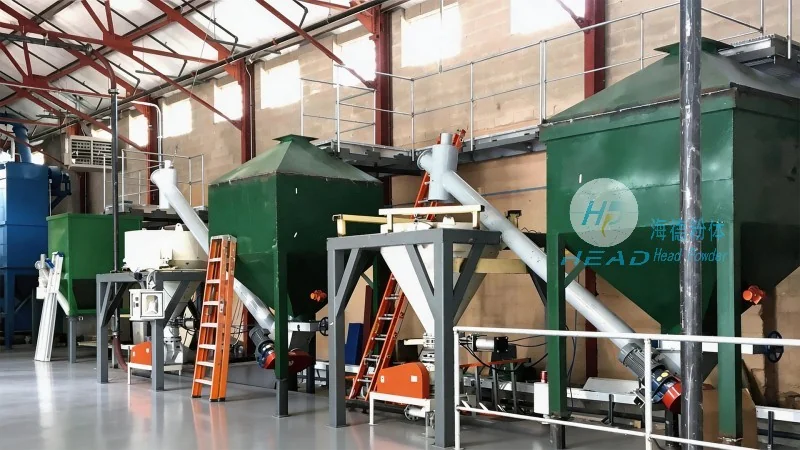
Applications of Powder Pneumatic Conveying Systems
Powder pneumatic conveying systems are widely used in various industries due to their versatility and efficiency. In the chemical industry, they are used to transport raw materials and finished products, such as powders of chemicals, pigments, and additives. The systems are designed to handle corrosive and abrasive materials, ensuring that the equipment is durable and long-lasting. In the food industry, they are used to transport food powders, such as flour, sugar, and spices, ensuring that the materials are handled hygienically and without contamination. The systems are typically made of stainless steel and other food-grade materials, and the conveying process is controlled to prevent cross-contamination. In the pharmaceutical industry, they are used to transport active pharmaceutical ingredients (APIs) and other powders, ensuring that the materials are handled under sterile conditions. The systems are designed to meet the stringent regulatory requirements of the pharmaceutical industry, including GMP (Good Manufacturing Practice) standards. In the cement industry, they are used to transport cement powders from the storage silos to the production lines, ensuring a continuous and efficient supply of raw materials. The systems are designed to handle large volumes of cement and are capable of operating under high-pressure conditions.
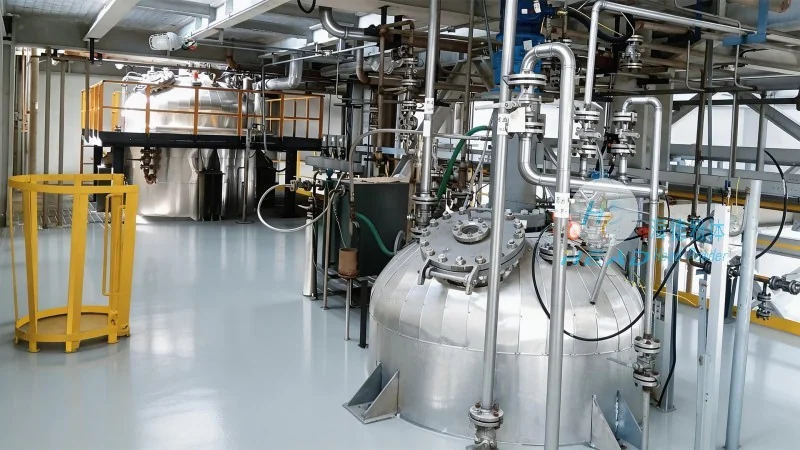
Advantages of Using Powder Pneumatic Conveying Systems
There are several advantages of using powder pneumatic conveying systems compared to traditional methods such as belt conveyors or bucket elevators. First, the systems are more flexible and can be easily reconfigured to accommodate changes in production needs. The pipeline network can be extended or modified without major construction work, making it suitable for expanding or changing production lines. Second, the systems are more efficient in terms of energy consumption and material handling. The air conveying method reduces the need for mechanical components, such as rollers and belts, which can wear out and require frequent maintenance. The systems also reduce the risk of material spillage and contamination, as the powder is contained within the pipeline. Third, the systems are more hygienic and safe. The enclosed pipeline system prevents dust from escaping into the environment, reducing the risk of dust explosions and improving air quality. The systems are also designed to prevent cross-contamination, which is crucial in industries like food and pharmaceuticals. Fourth, the systems are more cost-effective in the long run. Although the initial investment may be higher than traditional methods, the reduced maintenance costs and increased efficiency lead to lower overall operating costs. The systems also have a longer lifespan due to the absence of mechanical components that are prone to wear and tear.