

What is Sulfur Powder Conveying? What are the Design Principles?
Understanding the intricacies of sulfur powder conveying is essential for industries that rely on the efficient handling and transportation of this vital material. Sulfur, a key component in various industrial applications, requires specialized equipment and systems to ensure safe and effective transport from production sites to processing facilities. This article delves into the fundamental aspects of sulfur powder conveying, exploring the core design principles that underpin modern powder handling solutions.
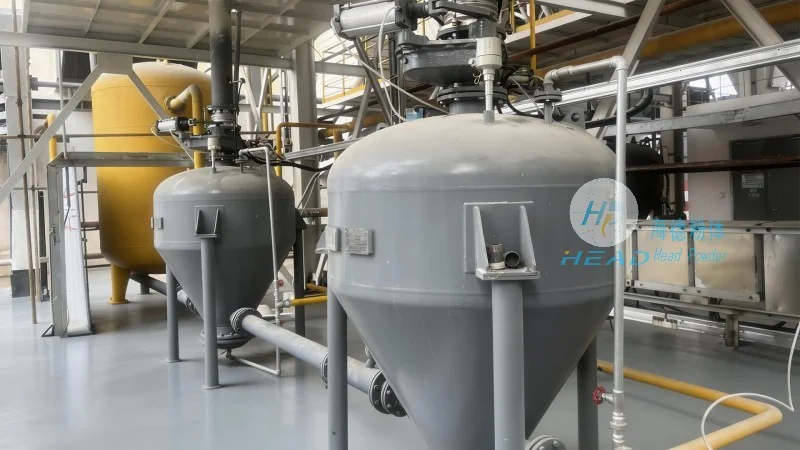
HeadPowder, a leading provider of engineering solutions in China, specializes in the design and implementation of powder conveying systems tailored to the unique challenges of sulfur handling. With a focus on safety, efficiency, and reliability, the company’s expertise lies in creating customized systems that address the specific needs of clients operating in the sulfur industry. Based in Shandong, China, HeadPowder leverages local manufacturing capabilities and industry knowledge to deliver high-quality, cost-effective solutions for sulfur powder transport.
The primary goal of sulfur powder conveying is to move bulk sulfur from its source to processing units without compromising quality or safety. This involves overcoming the inherent challenges of handling a fine, potentially reactive powder, such as sulfur’s tendency to adhere to surfaces and its sensitivity to moisture. Effective conveying systems must address these challenges through thoughtful design, incorporating components that minimize material loss, prevent contamination, and ensure consistent flow rates.
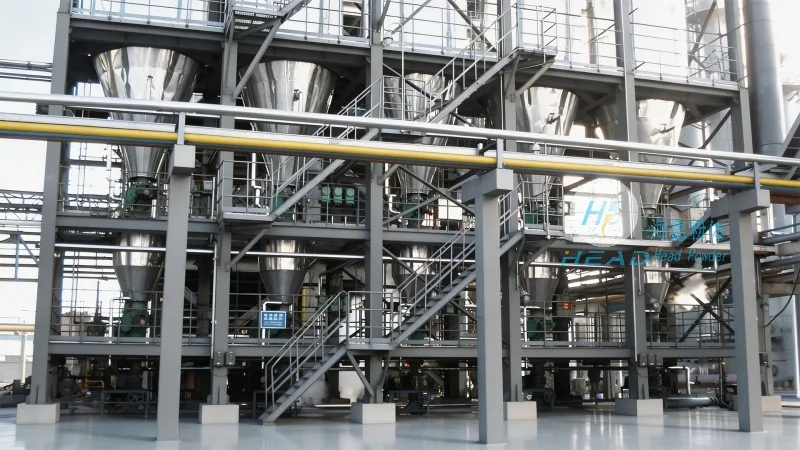
Key design principles for sulfur powder conveying systems include the selection of appropriate equipment for material transport, such as screw conveyors, pneumatic conveyors, or bucket elevators. Each type of equipment has its advantages and limitations, and the choice depends on factors like the sulfur’s bulk density, flowability, and the distance it needs to be transported. For instance, screw conveyors are ideal for horizontal or slight incline transport, while pneumatic conveyors are better suited for longer distances or when the material needs to be transported through vertical sections.
Another critical design principle is the control of material flow and pressure. Sulfur powder can be prone to bridging or clogging in hoppers and silos, which can disrupt the conveying process. To mitigate this, systems often incorporate features like vibration feeders, air classifiers, or rotary valves that help maintain a consistent flow and prevent blockages. Additionally, the design must consider the material’s reactivity—sulfur can be sensitive to moisture, which can cause clumping or even spontaneous combustion under certain conditions. Therefore, systems are typically equipped with moisture control measures, such as drying units or enclosed transport paths, to maintain the sulfur’s quality and prevent safety hazards.
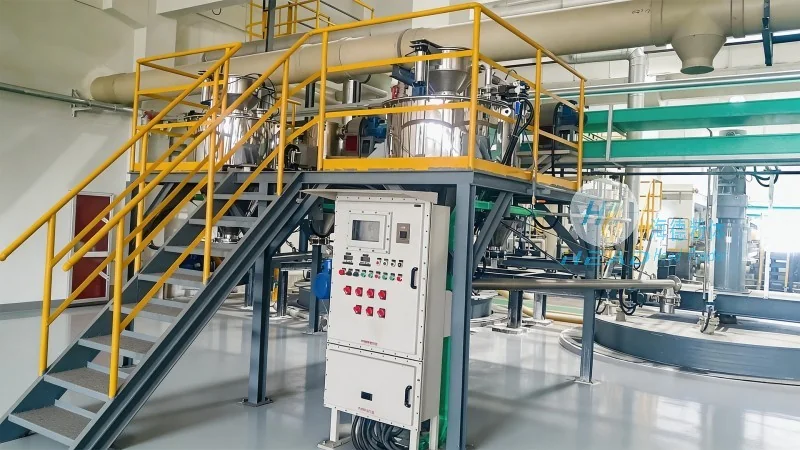
Material handling safety is a paramount concern in sulfur powder conveying. Sulfur is a flammable material, and improper handling can lead to fire or explosion risks. Design principles must include safety features like explosion-proof motors, flame arrestors, and proper ventilation systems to minimize these risks. The equipment must also be constructed from materials that are compatible with sulfur, such as stainless steel or specialized coatings, to prevent corrosion and ensure longevity. HeadPowder’s systems are designed with these safety considerations at their core, adhering to industry standards and regulations to protect both personnel and equipment.
Energy efficiency is another important design principle in modern sulfur powder conveying systems. As industries strive to reduce operational costs and environmental impact, systems are increasingly optimized for energy consumption. This includes using variable speed drives to adjust motor output based on the material load, reducing energy waste during low-conveying periods. Additionally, the design of the system’s layout, such as minimizing the number of bends and vertical lifts, can reduce energy requirements and improve overall efficiency. HeadPowder’s engineering team focuses on these aspects to provide clients with sustainable and cost-effective solutions.
Integration with existing infrastructure is a practical design principle that ensures the new conveying system can be seamlessly incorporated into the client’s operations. This involves assessing the current layout of the facility, including storage silos, processing units, and existing conveyors, to determine the best placement for the new system. HeadPowder works closely with clients to understand their operational needs and constraints, ensuring that the design is both functional and compatible with their existing setup. This approach minimizes downtime during installation and ensures a smooth transition to the new system.
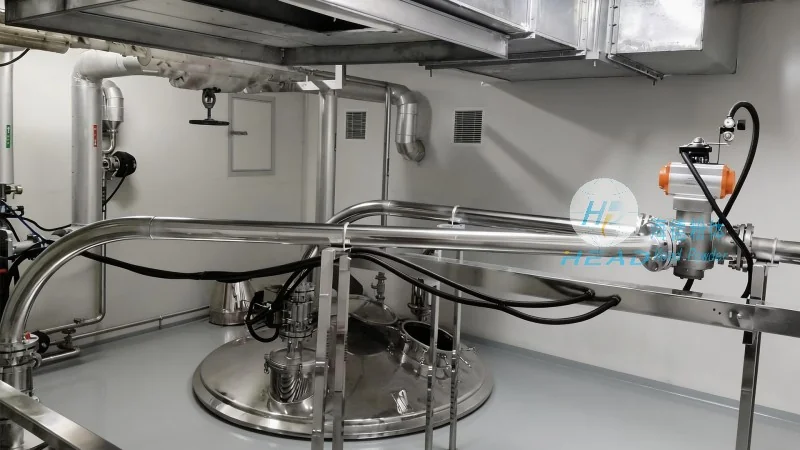
Maintenance and reliability are also critical design considerations. Sulfur powder conveying systems require regular maintenance to ensure consistent performance and longevity. Design principles include the use of durable components, easy access for maintenance, and monitoring systems that alert operators to potential issues before they become major problems. HeadPowder’s systems are built with these factors in mind, using high-quality parts and providing comprehensive maintenance support to clients. This focus on reliability helps minimize downtime and ensures that the system operates at peak efficiency over its lifespan.
In conclusion, sulfur powder conveying is a complex process that requires careful consideration of design principles to ensure safety, efficiency, and reliability. HeadPowder, with its expertise and commitment to quality, provides tailored solutions that address the unique challenges of sulfur handling. By focusing on material flow control, safety measures, energy efficiency, and integration with existing infrastructure, the company delivers systems that meet the needs of clients in the sulfur industry. Whether for small-scale or large-scale operations, HeadPowder’s engineering solutions are designed to enhance productivity and ensure the safe and effective transport of sulfur powder.