

What is Wheat Bran Powder Conveying Equipment? What are the Design Principles?
Wheat bran, a byproduct of the milling process, is rich in fiber and nutrients, making it a valuable ingredient in various food products and animal feed. Efficient and reliable conveying equipment is essential for handling this fine powder, ensuring consistent quality and minimizing material loss. This article explores the wheat bran powder conveying equipment and its underlying design principles, providing insights into the technology used by Shandong HeadPowder Engineering Co., Ltd., a leading manufacturer in the field.
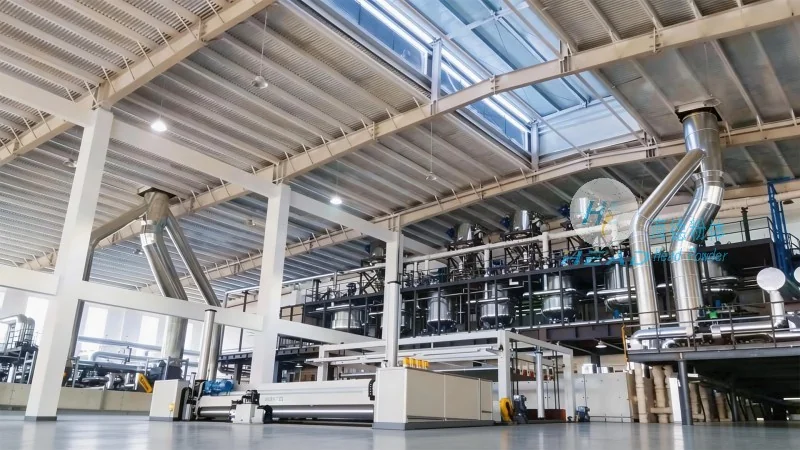
Overview of Wheat Bran Powder Conveying Equipment
Wheat bran powder conveying equipment is specifically designed to transport fine, dry powders like wheat bran from one location to another within industrial facilities. These systems are critical in food processing, agricultural, and animal feed industries, where maintaining the integrity of the bran's nutritional properties is paramount. The equipment must handle the bran's fine particle size, low bulk density, and potential stickiness to prevent clogging and ensure smooth operation.
Key Components of the Conveying System
The conveying system typically consists of several key components that work in tandem to achieve efficient material transport. These include a hopper for material storage, a feeder to control the flow rate, a conveyor mechanism (such as a screw conveyor, pneumatic conveyor, or bucket elevator), and a control system to regulate operation. Each component is engineered to address the unique challenges of handling wheat bran, ensuring that the powder moves without degradation or loss.
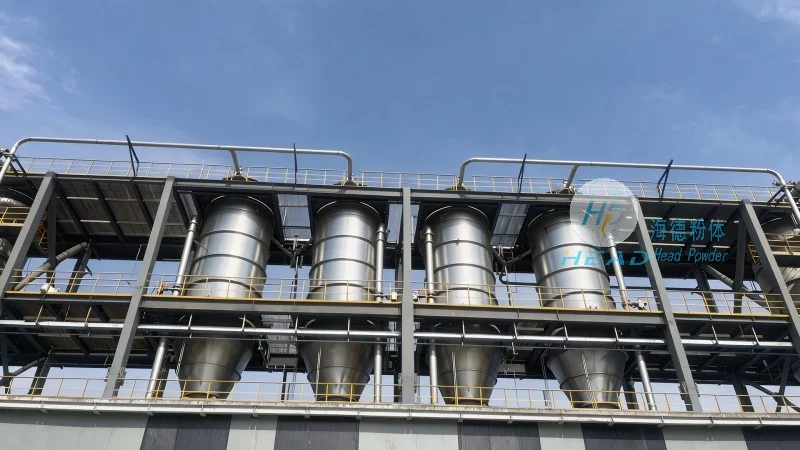
Design Principles for Efficient Conveying
The design of wheat bran powder conveying equipment is guided by several fundamental principles aimed at maximizing efficiency, minimizing energy consumption, and preserving product quality. One key principle is the use of low-speed, high-torque conveyors to prevent particle breakdown and maintain the bran's natural structure. Another principle is the incorporation of smooth, non-stick surfaces and proper sealing to avoid material buildup and contamination. Additionally, the system is designed to handle variations in bran moisture content and particle size, ensuring consistent performance under different operating conditions.
Material Handling Considerations
When handling wheat bran, several factors must be considered to ensure the conveying equipment operates effectively. The bran's fine particle size requires equipment with minimal internal clearances to prevent clogging. The low bulk density of the material means that air-assisted conveying systems, such as pneumatic conveyors, may be more efficient than mechanical conveyors in some cases. Furthermore, the bran's potential stickiness necessitates the use of materials like stainless steel or food-grade plastics for components that come into contact with the product, ensuring hygiene and ease of cleaning.
Applications in Industrial Settings
Wheat bran powder conveying equipment is widely used in various industrial applications. In food processing, it is used to transport bran to mixing and blending units for the production of bread, cereals, and other baked goods. In animal feed manufacturing, the equipment ensures that bran is evenly distributed in feed formulations, improving the nutritional value of the final product. The equipment's reliability and efficiency also make it suitable for large-scale operations, where consistent material flow is critical to maintaining production schedules.
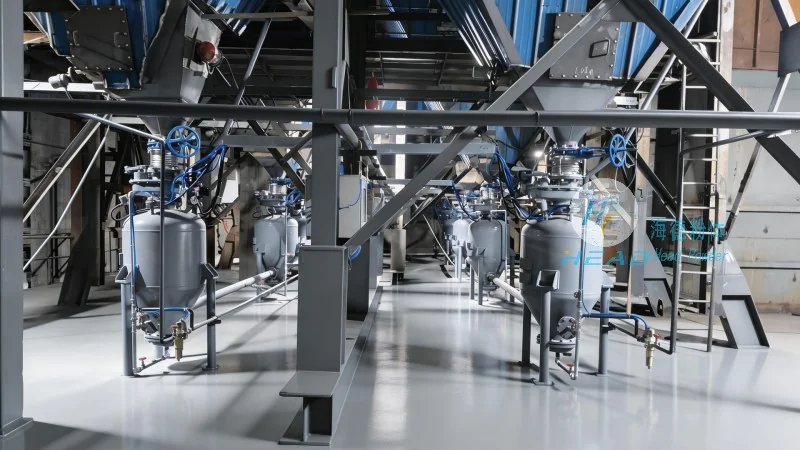
Advantages of Modern Conveying Solutions
Modern wheat bran powder conveying equipment offers several advantages over traditional systems. These include improved energy efficiency, reduced maintenance requirements, and enhanced product quality. Advanced control systems allow for real-time monitoring of the conveying process, enabling operators to adjust parameters as needed to optimize performance. Additionally, the use of automated feeding and conveying systems reduces labor costs and minimizes the risk of human error, leading to more consistent and reliable operation.
Conclusion
Wheat bran powder conveying equipment is a critical component in industries that rely on this valuable byproduct. The design principles and components of these systems are tailored to handle the unique properties of wheat bran, ensuring efficient and reliable transport. Shandong HeadPowder Engineering Co., Ltd. specializes in manufacturing high-quality conveying equipment that meets the demands of modern industrial applications, providing solutions that enhance productivity and product quality. By understanding the design principles and material handling considerations, businesses can select the most appropriate conveying system for their needs, ensuring optimal performance and long-term success.