

What is the Bead Sand Powder Conveying Equipment? What is its Design Principle?
HeadPowder, a leading enterprise in the field of powder handling technology, specializes in the development and manufacturing of advanced powder conveying equipment. Based in Shandong, China, the company has established itself as a trusted provider of solutions tailored to the unique demands of various industrial applications. This article delves into the bead sand powder conveying equipment, exploring its fundamental design principles and the technical aspects that define its performance.
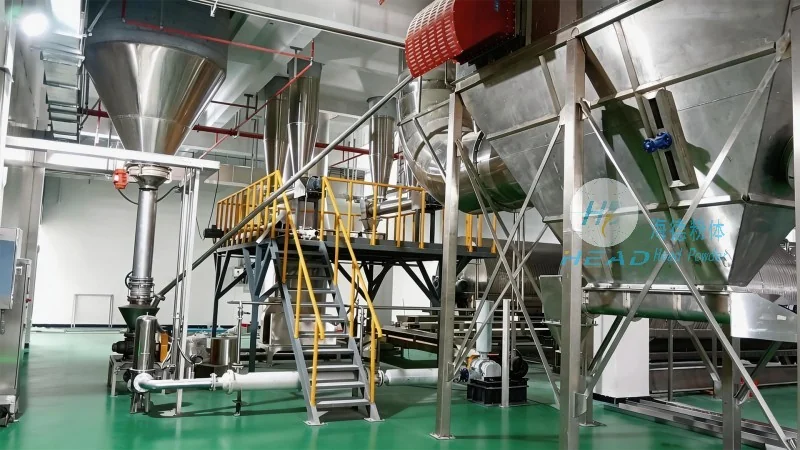
Introduction to Bead Sand Powder Conveying Equipment
The bead sand powder conveying equipment is a specialized system engineered to transport bead sand—a type of abrasive or refractory material—through industrial processes with precision and efficiency. This equipment is critical in industries such as foundries, refractory manufacturing, and surface treatment, where the reliable movement of bead sand is essential for maintaining production quality and operational safety. The design of this equipment is tailored to address the challenges posed by bead sand's physical properties, including its abrasive nature, particle size distribution, and tendency to generate dust during handling.
Key Design Principles of the Powder Conveying System
The design of the bead sand powder conveying equipment is guided by several core principles aimed at optimizing performance, minimizing operational costs, and ensuring safety. These principles include: ensuring a consistent and controlled flow of the powder, minimizing material degradation or loss during transport, and providing a robust structure capable of withstanding the abrasive effects of bead sand. The system typically integrates a combination of mechanical, pneumatic, or hybrid components to achieve these objectives.
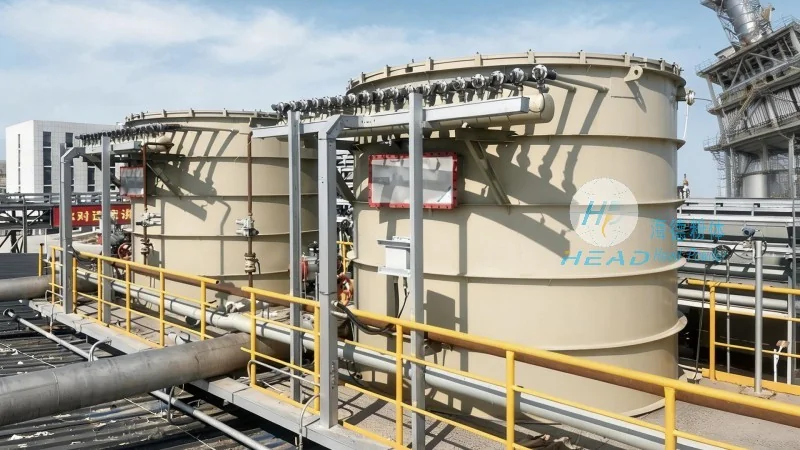
Structural Components and Their Functions
The bead sand powder conveying equipment comprises several key structural components, each playing a vital role in the overall operation. The primary components include: a hopper or feeder for material intake, a conveying tube or pipeline, a drive mechanism (such as a motor and pump or a rotary valve), a control system for regulating flow, and a dust collection or filtration unit to manage airborne particles. The hopper is designed to store and feed bead sand into the system, ensuring a steady supply without causing blockages. The conveying tube, often made of corrosion-resistant materials like stainless steel or high-density polyethylene, is engineered to handle the abrasive nature of bead sand and prevent wear over time. The drive mechanism provides the necessary force to move the powder through the tube, while the control system allows for precise adjustment of flow rates and pressure. The dust collection unit is crucial for maintaining a clean and safe working environment by capturing and filtering airborne bead sand particles.
Working Principle and Operational Mechanism
The operational mechanism of the bead sand powder conveying equipment is based on the principle of fluidization or pneumatic transport, depending on the specific design. In pneumatic conveying systems, compressed air is used to create a flow that carries the bead sand particles through the conveying tube. The air velocity is carefully controlled to ensure that the particles remain suspended and move efficiently without settling or causing blockages. The drive mechanism, such as a rotary valve or a positive displacement pump, generates the necessary pressure to maintain the flow. The control system monitors parameters like pressure, flow rate, and temperature, adjusting the operation in real-time to optimize performance and prevent issues like clogging or excessive wear. The system operates continuously, with the hopper feeding material into the conveying tube, the drive mechanism propelling it forward, and the control system maintaining consistent conditions throughout the process.
Advantages and Technical Benefits
The bead sand powder conveying equipment offers several advantages that make it a preferred choice for industrial applications. These benefits include: high efficiency in transporting bead sand over long distances with minimal energy consumption, reduced material loss and degradation compared to traditional methods like bucket elevators or belt conveyors, and improved safety by minimizing manual handling of abrasive materials. The system's design also allows for easy integration with existing production lines, reducing downtime and increasing overall productivity. Additionally, the use of advanced materials and engineering in the construction of the equipment ensures durability and long service life, even in harsh operating conditions.
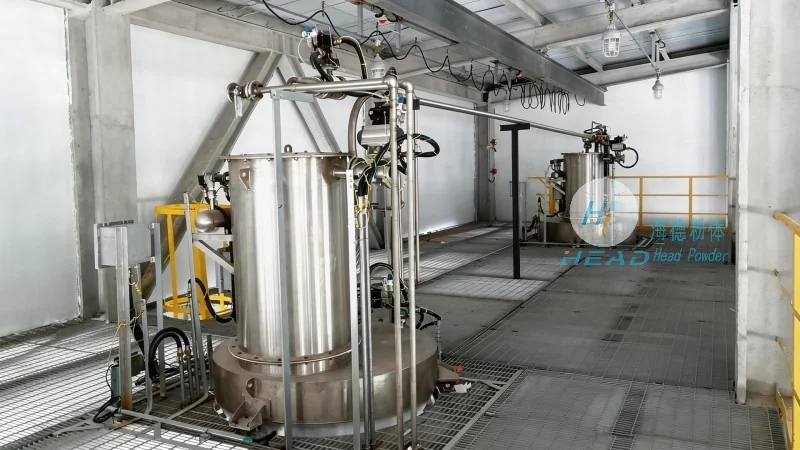
Applications and Industry Relevance
The bead sand powder conveying equipment is widely used in various industrial sectors where bead sand is a critical component. In foundries, it is used to transport bead sand for sandblasting and surface treatment of metal parts, ensuring consistent finish quality. In refractory manufacturing, the equipment is essential for moving bead sand into molds or processing lines, contributing to the production of high-quality refractory products. Other applications include automotive parts cleaning, aerospace component finishing, and industrial cleaning services. The versatility of the system makes it adaptable to different production scales, from small-scale workshops to large-scale manufacturing facilities.
Conclusion
In conclusion, the bead sand powder conveying equipment is a sophisticated system designed to meet the demanding requirements of industrial powder handling. Its design principles, structural components, and operational mechanisms are carefully engineered to ensure efficient, safe, and reliable transport of bead sand. HeadPowder, with its expertise in powder handling technology, continues to innovate and refine these systems to meet the evolving needs of the industry. By understanding the design principles and technical aspects of this equipment, businesses can optimize their operations, improve product quality, and enhance overall efficiency in bead sand processing.