

What is the Ferrous Oxide Powder Conveying Equipment? And What Are Its Design Principles?
When it comes to handling ferrous oxide powder, the choice of conveying equipment is critical for ensuring efficiency, safety, and reliability in industrial processes. Ferrous oxide, also known as iron(II) oxide, is a common powder used in various applications, including chemical synthesis, pigments, and magnetic materials. The proper transportation of this fine powder requires specialized equipment designed to address the unique challenges associated with its properties, such as dust generation, static electricity, and flow characteristics.
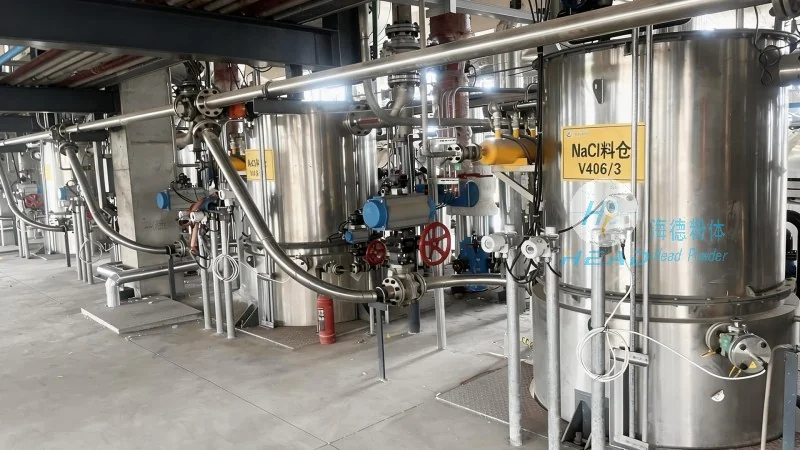
Overview of Ferrous Oxide Powder Conveying Equipment
Ferrous oxide powder conveying equipment is engineered to transport iron(II) oxide powder from one location to another within industrial facilities. These systems are typically composed of several key components, including feeders, conveyors, and control systems, all tailored to handle the specific demands of ferrous oxide powder. The primary goal of such equipment is to ensure a continuous, controlled flow of the powder while minimizing the risk of clogging, dust dispersion, and material degradation.
Design Principles Behind Ferrous Oxide Powder Conveying Equipment
The design of ferrous oxide powder conveying equipment is guided by several fundamental principles aimed at optimizing performance and safety. One of the most critical considerations is the prevention of dust and static electricity, which can pose significant hazards in industrial environments. To address this, equipment often incorporates features like grounding systems, anti-static coatings, and enclosed designs to contain dust and prevent electrical discharges.
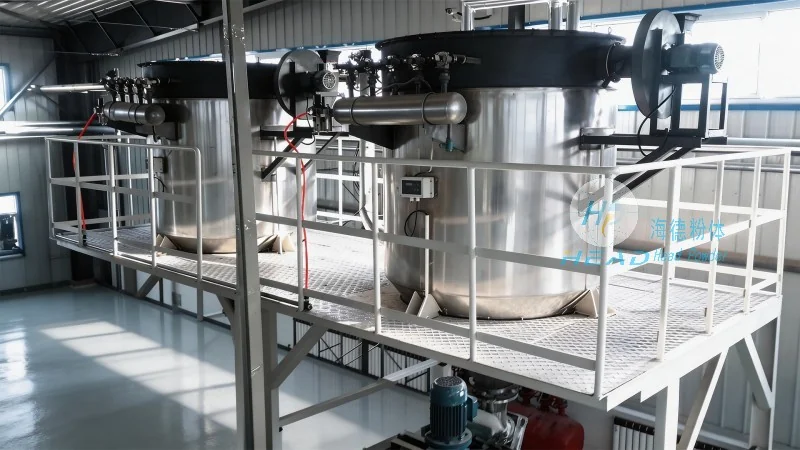
Another key design principle is the optimization of flow characteristics. Ferrous oxide powder can exhibit cohesive or bridging behavior, which may lead to blockages in traditional conveying systems. Therefore, equipment designers often employ specialized feeders, such as rotary valves or screw feeders, that can break up agglomerates and maintain a consistent flow rate. Additionally, the use of flexible hoses or pneumatic conveying systems may be employed to reduce friction and prevent material buildup in the conveying lines.
Efficiency and energy conservation are also important design considerations. Modern ferrous oxide powder conveying equipment is often designed with energy-efficient motors and variable speed drives, allowing operators to adjust the flow rate based on demand. This not only reduces operational costs but also minimizes the environmental impact of the equipment. Furthermore, the integration of sensors and control systems enables real-time monitoring of the conveying process, allowing for immediate adjustments to maintain optimal performance.
Key Components and Their Functions
The effectiveness of ferrous oxide powder conveying equipment relies on the proper integration of several key components. The feeder is the first component in the system, responsible for receiving the powder from a storage bin or hopper and delivering it to the conveyor. Rotary valves are commonly used as feeders due to their ability to provide a controlled, metered flow of powder, preventing overfilling and reducing the risk of clogging.
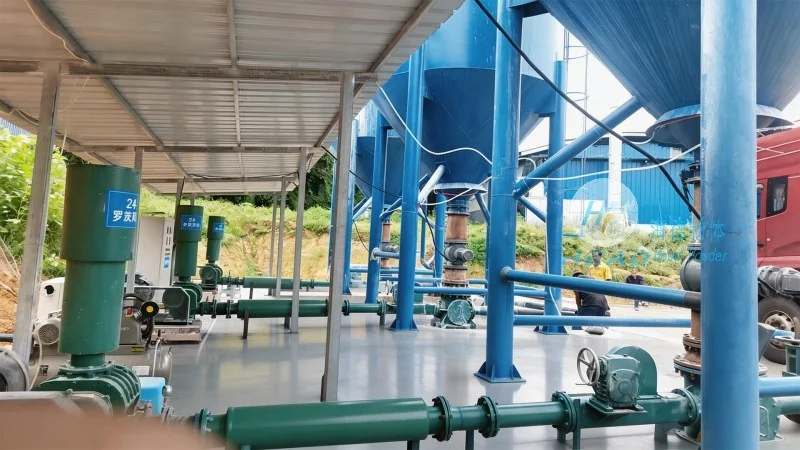
The conveyor itself is the core of the system, responsible for transporting the powder from the feeder to the discharge point. There are several types of conveyors suitable for ferrous oxide powder, including pneumatic conveyors, belt conveyors, and screw conveyors. Pneumatic conveyors use air pressure to move the powder through a pipeline, making them ideal for applications requiring long-distance or high-velocity transport. Belt conveyors, on the other hand, are suitable for shorter distances and can handle larger quantities of powder. Screw conveyors are often used for vertical or inclined transport, as they can lift the powder against gravity.
The control system is another critical component, responsible for monitoring and regulating the operation of the conveying equipment. This system typically includes sensors to detect the level of powder in the hopper, the flow rate of the powder, and any blockages or malfunctions in the system. The control system can then adjust the speed of the feeder or conveyor to maintain a consistent flow, or trigger alarms if an issue is detected.
Applications and Benefits of Ferrous Oxide Powder Conveying Equipment
Ferrous oxide powder conveying equipment is widely used in various industries due to its ability to handle the unique properties of ferrous oxide powder. In the chemical industry, these systems are used to transport ferrous oxide for use in the production of pigments, catalysts, and other chemical products. In the manufacturing industry, they are used to supply ferrous oxide to production lines for the creation of magnetic materials, such as ferrites.
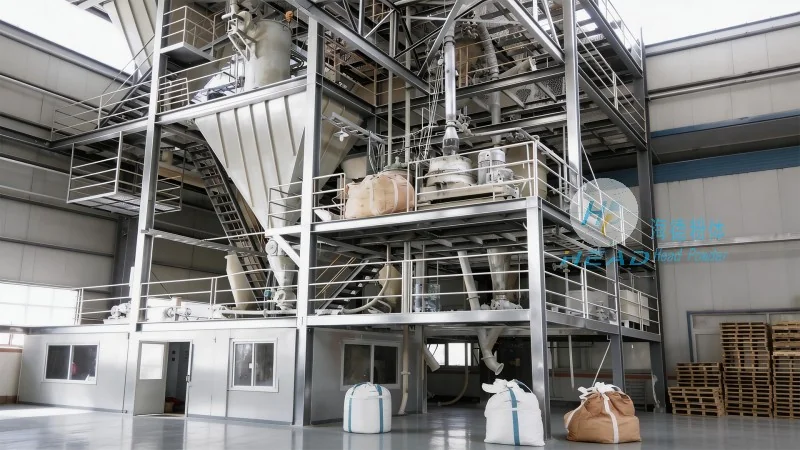
The benefits of using specialized ferrous oxide powder conveying equipment are numerous. First, it improves operational efficiency by ensuring a continuous and controlled flow of the powder, reducing downtime and increasing productivity. Second, it enhances safety by minimizing the risk of dust explosions and electrical hazards. Third, it reduces material waste by preventing clogging and ensuring that the powder is transported in a clean and efficient manner. Finally, it lowers operational costs by optimizing energy use and reducing maintenance requirements.
Conclusion
Ferrous oxide powder conveying equipment is a vital component in industrial processes that involve the handling of iron(II) oxide powder. The design principles behind these systems focus on safety, efficiency, and reliability, addressing the unique challenges associated with ferrous oxide powder's properties. By incorporating specialized components such as feeders, conveyors, and control systems, these equipment can effectively transport ferrous oxide powder while minimizing risks and maximizing productivity. For companies operating in industries that rely on ferrous oxide, investing in high-quality conveying equipment is essential for maintaining operational efficiency and ensuring long-term success.