

What is a Cement Aggregate Powder Conveying Line? What are its Design Principles?
For industrial operations dealing with bulk materials like cement, aggregates, and other powders, efficient and reliable material handling systems are crucial. A cement aggregate powder conveying line is a specialized system engineered to transport these materials from one location to another within a production facility or between different stages of processing. This system is essential for maintaining smooth workflow, reducing labor costs, and ensuring consistent material quality in construction and manufacturing industries.
Understanding the Core Components of a Cement Aggregate Powder Conveying Line
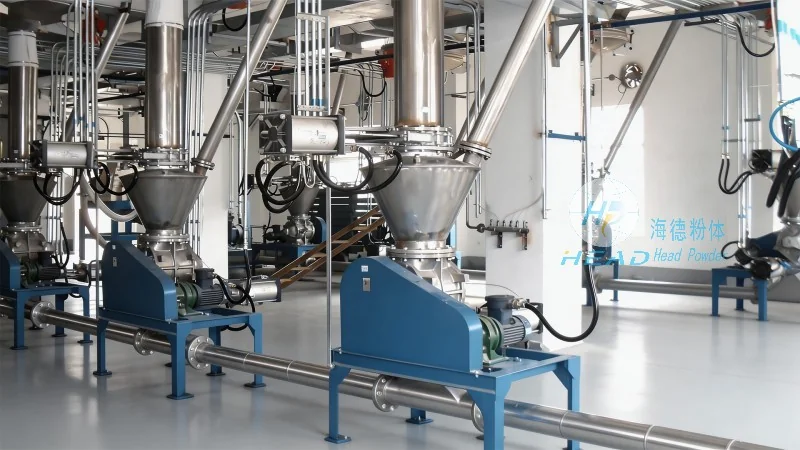
A typical cement aggregate powder conveying line consists of several key components that work in tandem to achieve effective material transport. These components include feeders, conveyors (such as belt conveyors, screw conveyors, or pneumatic conveyors), storage silos, and control systems. The feeders are responsible for uniformly feeding the material into the conveying system, while the conveyors move the material through the pipeline or along a path. Storage silos are used to hold bulk quantities of the material, ensuring a steady supply for the conveying process. Control systems, often equipped with sensors and automation technology, monitor and regulate the flow of material to prevent blockages and optimize performance.
The Design Principles Behind Cement Aggregate Powder Conveying Systems
The design of a cement aggregate powder conveying line is guided by several fundamental principles aimed at maximizing efficiency, minimizing downtime, and ensuring safety. One of the primary design principles is the selection of appropriate equipment based on the physical properties of the material being transported. For example, materials with high moisture content or abrasive characteristics may require specialized conveyor components to prevent wear and tear. Another key principle is the consideration of material flow dynamics, including the angle of repose and particle size distribution, to ensure smooth movement without segregation or clogging. Additionally, the system design must account for the overall layout of the facility, including space constraints and the need for integration with existing infrastructure. Engineers often use computational fluid dynamics (CFD) and other simulation tools to model the material flow and optimize the system design before implementation.
Key Design Considerations for Optimal Performance
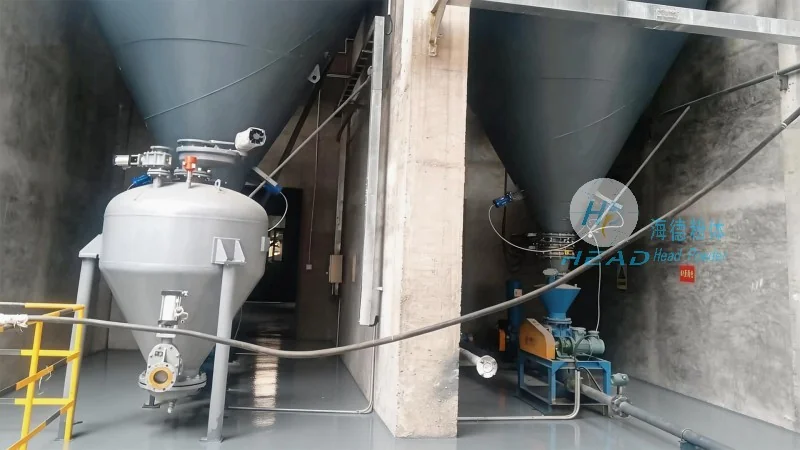
Several critical factors must be considered during the design phase to ensure the long-term reliability and efficiency of a cement aggregate powder conveying line. First, the choice of conveyor type is critical. Belt conveyors are commonly used for horizontal or slight incline transport due to their high capacity and low maintenance. Screw conveyors are suitable for vertical or inclined transport and can handle a wide range of materials. Pneumatic conveyors, on the other hand, use air pressure to move materials and are ideal for fine powders that are prone to dust generation. The selection of the right conveyor type depends on factors such as material characteristics, distance to be covered, and the required throughput. Second, the system must be designed to prevent material buildup and blockages. This involves incorporating features like vibration devices, air cannons, or rotary valves to clear blockages automatically. Proper sealing and dust control measures are also essential to maintain a clean and safe working environment. Third, the integration of automation and monitoring systems is vital. Modern conveying lines often include sensors to detect blockages, level indicators for silos, and control panels to adjust the flow rate in real-time. This automation not only improves operational efficiency but also reduces the risk of accidents and equipment damage.
Applications and Industries Benefiting from Cement Aggregate Powder Conveying Lines
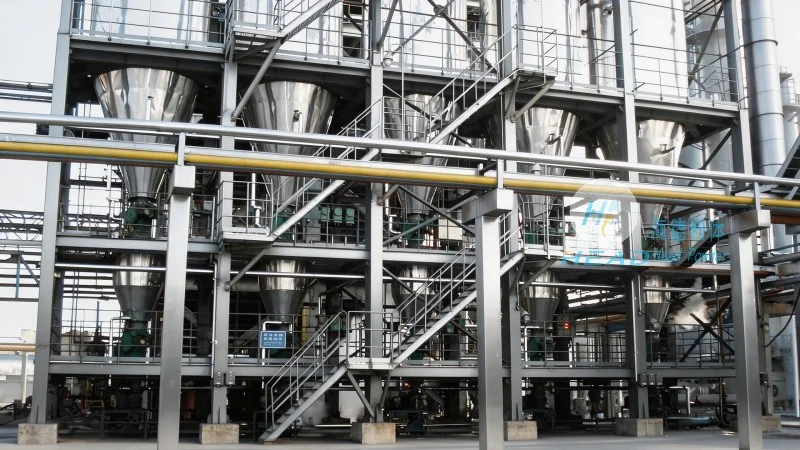
Cement aggregate powder conveying lines are widely used in various industries where bulk material handling is essential. In the construction industry, these systems are used to transport cement, sand, and aggregates from storage silos to mixing plants or construction sites. The ability to move large quantities of material quickly and efficiently reduces the time required for project completion and minimizes material waste. In the manufacturing sector, such as in cement production plants or chemical processing facilities, conveying lines are used to transport raw materials to processing units and finished products to storage areas. The consistent and reliable supply of materials ensures that production processes run smoothly without interruptions. Additionally, in the mining and quarrying industries, conveying lines are used to transport crushed rock and other aggregates from the quarry to processing facilities or to transport finished products to transportation hubs. The versatility of cement aggregate powder conveying lines makes them a valuable asset in any operation that relies on bulk material handling.
Customization and Integration with Existing Systems
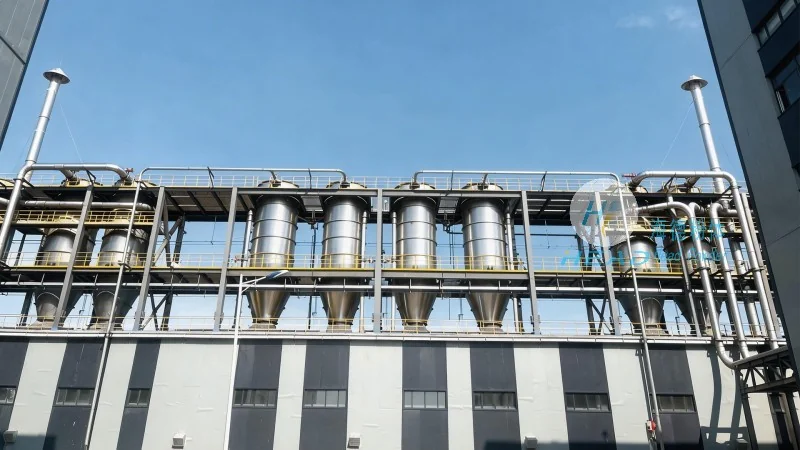
One of the advantages of a cement aggregate powder conveying line is its adaptability to different operational needs. Companies like Shandong HeadPowder Engineering Co., Ltd. specialize in designing and manufacturing customized conveying systems tailored to the specific requirements of their clients. Whether the client needs a system for horizontal transport, vertical lift, or a combination of both, the engineers at HeadPowder can design a solution that meets their needs. The system can also be integrated with existing infrastructure, such as existing silos, storage tanks, or processing equipment, to minimize disruption during installation. This customization ensures that the conveying line not only meets the operational requirements but also fits seamlessly into the existing workflow, maximizing the return on investment. The team at HeadPowder works closely with clients to understand their unique challenges and provides solutions that enhance productivity and reduce operational costs.
Conclusion: The Importance of a Well-Designed Cement Aggregate Powder Conveying Line
In conclusion, a cement aggregate powder conveying line is a critical component of modern industrial operations, enabling efficient and reliable transport of bulk materials. The design principles and components of such a system are carefully selected to address the specific needs of the material being transported and the operational environment. By considering factors such as material properties, system layout, and automation, engineers can create a conveying line that maximizes efficiency, minimizes downtime, and ensures safety. Companies like Shandong HeadPowder Engineering Co., Ltd. play a vital role in providing these customized solutions, helping businesses in the construction, manufacturing, and mining industries improve their productivity and maintain a competitive edge. The investment in a well-designed conveying line not only improves operational efficiency but also contributes to long-term sustainability and growth in the industry.