

What Are Small Stone Material Handling Equipment? And What Are Their Design Principles?
Small stone material handling equipment is a vital component in industries that rely on the efficient transport of small-sized aggregates, such as gravel, crushed stone, and other mineral materials. These specialized systems are designed to handle materials that are typically less than a few centimeters in diameter, making them essential for applications ranging from mining and construction to aggregate processing. Understanding the fundamental principles behind these devices and the specific equipment used is crucial for selecting the right solution for any operational need. The primary goal of small stone material handling equipment is to move these materials from their source to a processing or storage location with minimal loss, maximum efficiency, and low operational costs.
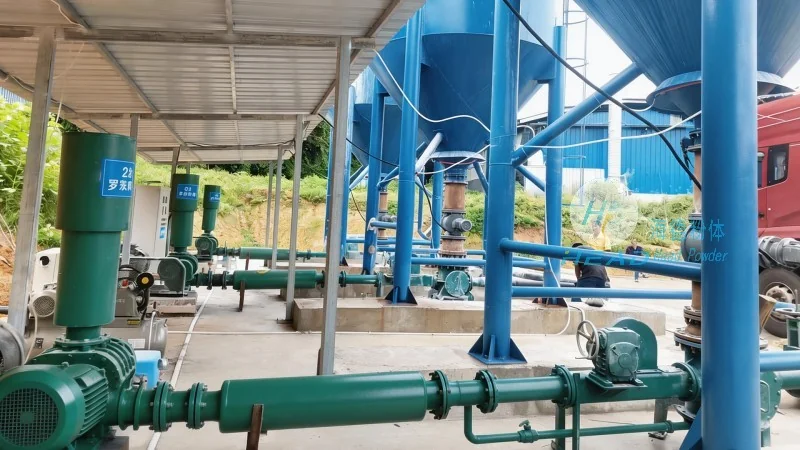
Key Components and Functional Aspects of Small Stone Handling Systems
The effectiveness of small stone material handling equipment is largely determined by its key components, which work together to ensure smooth and reliable operation. The most common components include conveyor belts, hoppers, feeders, and control systems. Conveyor belts, often made from durable rubber or metal, provide the primary surface for material movement. They are designed to withstand the abrasive nature of small stones, which can cause significant wear over time. Hoppers are used to collect and temporarily store the stone before it is fed into the conveyor system, ensuring a consistent flow of material. Feeders, such as vibratory or belt feeders, regulate the rate at which the stone is introduced into the conveyor, preventing overloading and maintaining steady operation. Control mechanisms, including sensors and motors, monitor the system's performance and adjust parameters as needed, ensuring optimal functionality under varying load conditions.
Design Principles Underpinning Small Stone Handling Equipment
The design of small stone material handling equipment is guided by several critical principles aimed at maximizing efficiency, durability, and adaptability. Engineers focus on creating systems that can handle high volumes of material while minimizing energy consumption and maintenance requirements. Material selection is a key design consideration; components such as conveyor belts and hoppers are often made from abrasion-resistant materials like steel or high-density polyethylene to extend their lifespan. The layout of the equipment, including the angle of the conveyor and the placement of hoppers, is carefully planned to optimize material flow and reduce spillage. For example, a slight incline in the conveyor helps gravity assist in moving the stones, reducing the load on the motor. Additionally, the integration of energy-efficient motors and advanced control systems helps lower operational costs and environmental impact. These design principles ensure that the equipment can operate reliably in harsh environments, such as construction sites or mining operations, where conditions can be challenging.
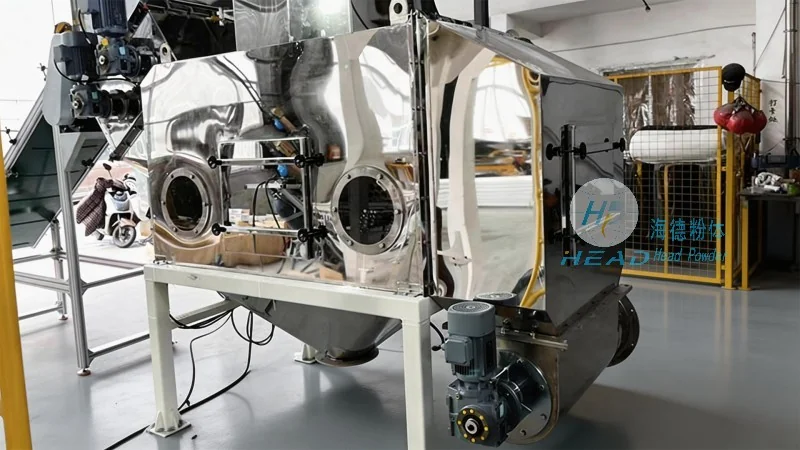
Applications and Benefits of Small Stone Material Handling Equipment
Small stone material handling equipment is widely utilized across various industries, including mining, construction, and aggregate production. In mining operations, these systems are used to transport crushed stone from processing plants to storage facilities or for further processing into finer aggregates. In construction, they facilitate the movement of gravel and other aggregates to job sites, improving workflow efficiency and reducing the need for manual labor. The benefits of using such equipment are significant: increased productivity due to automated material transport, reduced labor costs by minimizing manual handling, and enhanced safety by eliminating the risks associated with moving heavy materials. Furthermore, consistent material flow ensures that downstream processes, such as mixing concrete or packaging aggregates, operate smoothly without interruptions, leading to higher overall operational efficiency.
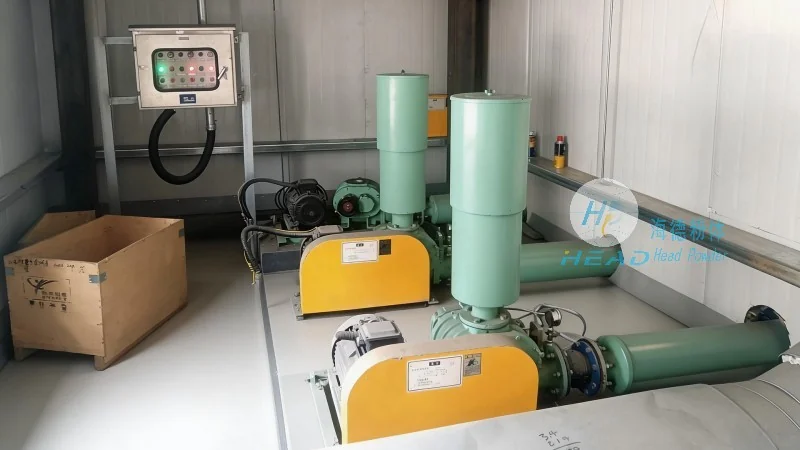
Customization and Adaptability in Small Stone Handling Solutions
Given the diverse nature of small stone materials and operational requirements, small stone material handling equipment is often customizable to meet specific needs. Manufacturers like Shandong HeadPowder Engineering Co., Ltd. specialize in providing tailored solutions that can be adjusted in terms of capacity, speed, and component materials. For instance, the conveyor belt can be replaced with a more robust version for handling particularly abrasive stones, or the hopper size can be modified to accommodate different batch sizes. This adaptability allows the equipment to be integrated seamlessly into existing production lines or new setups, ensuring compatibility with current infrastructure. Customization also enables the incorporation of advanced features, such as automated monitoring systems, which provide real-time data on equipment performance and potential maintenance needs. These features help in proactive maintenance, reducing unexpected downtime and extending the equipment's service life.
Maintenance and Operational Considerations for Small Stone Handling Equipment
Proper maintenance is essential to ensure the longevity and optimal performance of small stone material handling equipment. Regular inspections of critical components, including conveyor belts, bearings, and motors, help identify and address issues before they lead to system failures. Cleaning the equipment regularly, especially the hoppers and conveyor surfaces, prevents the accumulation of debris that could affect material flow or cause blockages. Lubrication of moving parts is also crucial to reduce friction and wear, ensuring smooth operation. Operational considerations include monitoring the load capacity to avoid overloading the system, which can lead to equipment damage or inefficiencies. Additionally, training operators on proper usage and safety protocols ensures that the equipment is operated correctly, minimizing the risk of accidents and downtime. By adhering to these maintenance and operational guidelines, users can maximize the equipment's efficiency and lifespan, ensuring consistent performance in their operations.