

What is a Mineral Granular Material Conveying Line? What are the Design Principles?
A mineral granular material conveying line, often referred to as a bulk material handling system, is a specialized industrial setup designed to transport bulk materials such as minerals, grains, and other granular substances from one location to another. These systems are crucial in various industries, including mining, agriculture, and manufacturing, where efficient and reliable material transport is essential for operational efficiency and cost-effectiveness. The core components of such a system typically include feeders, conveyors, and control mechanisms, all working in tandem to ensure smooth and continuous material movement.
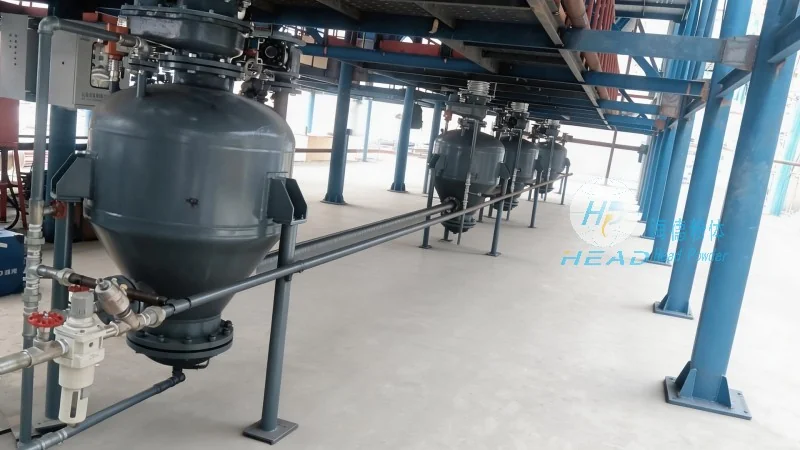
The Fundamental Design Principles of Mineral Granular Material Conveying Lines
The design of a mineral granular material conveying line is governed by several key principles aimed at optimizing performance, durability, and safety. First, the system must be tailored to the specific characteristics of the material being handled—such as particle size, density, and flowability—to prevent issues like blockages or uneven flow. Engineers often employ a combination of mechanical and pneumatic components to address these challenges, ensuring the material moves consistently without degradation or loss.
Second, the design emphasizes energy efficiency and operational reliability. Modern conveying lines incorporate advanced control systems and energy-saving technologies, such as variable frequency drives (VFDs), to adjust motor speeds based on the load, reducing energy consumption while maintaining optimal performance. Additionally, the use of robust materials for construction, such as stainless steel or corrosion-resistant alloys, ensures the system can withstand harsh environmental conditions and the abrasive nature of mineral particles, extending its service life.
Third, safety and compliance are integral to the design process. Conveying lines must adhere to industry standards and regulations, particularly regarding dust control, noise reduction, and emergency stop mechanisms. For example, dust suppression systems are commonly integrated to minimize airborne particulate matter, which is critical for maintaining a safe working environment and complying with environmental regulations. The inclusion of sensors and monitoring devices also enables real-time tracking of system performance, allowing for proactive maintenance and preventing unexpected downtime.
Key Components and Their Roles in a Conveying Line
At the heart of a mineral granular material conveying line are several critical components that work together to facilitate material transport. The feeder is the initial component responsible for receiving and distributing the material evenly into the conveyor system. It may include devices like rotary valves or vibratory feeders, which regulate the flow rate and prevent overloading the conveyor. The conveyor itself, often a belt or screw conveyor, is the primary mechanism for moving the material along the desired path. Belt conveyors are widely used for horizontal or slight incline transport, while screw conveyors are ideal for vertical or steep incline applications, especially when handling materials with high moisture content or sticky properties.
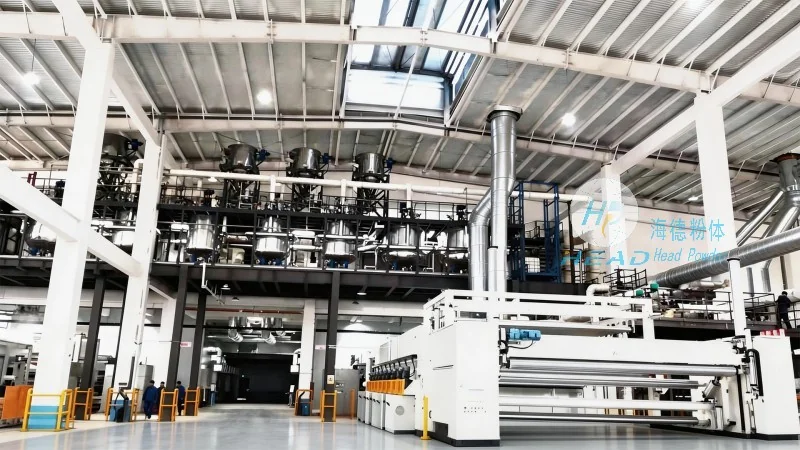
Control systems play a vital role in managing the entire conveying process. These systems typically include programmable logic controllers (PLCs), which coordinate the operation of feeders, conveyors, and other auxiliary equipment. Sensors, such as level detectors or position sensors, provide real-time data on material levels or conveyor status, enabling automated adjustments to maintain optimal performance. Additionally, safety interlocks and emergency stop buttons are integrated to ensure immediate shutdown in case of malfunctions or hazards, protecting both personnel and equipment.
Applications and Industries Benefiting from Conveying Lines
Mineral granular material conveying lines find extensive applications across various industries, each leveraging the system's capabilities to enhance operational efficiency. In the mining industry, for instance, these systems are used to transport ore from mines to processing facilities, where the material is crushed, sorted, and refined. The ability to handle large volumes of bulk material at high speeds makes conveying lines indispensable for maintaining production throughput. In agriculture, conveying lines are employed to transport grains, seeds, and other agricultural products from storage silos to processing plants or distribution centers, ensuring smooth supply chains.
In the manufacturing sector, conveying lines are used to transport raw materials to production lines and finished products to storage areas. This integration of material handling with production processes minimizes manual labor and reduces the risk of material damage or loss. The versatility of conveying lines also makes them suitable for handling a wide range of materials, from dry powders to wet slurries, adapting to the diverse needs of different industries.
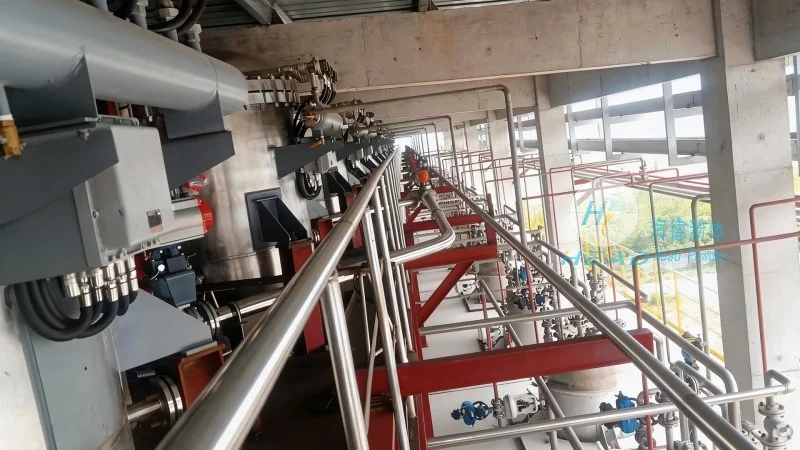
Customization and Integration: Tailoring Conveying Lines to Specific Needs
One of the key advantages of mineral granular material conveying lines is their adaptability to specific operational requirements. Companies like Shandong HeadPowder Engineering Co., Ltd. specialize in designing and manufacturing customized conveying systems that meet the unique needs of their clients. By working closely with clients, engineers at HeadPowder can assess the material characteristics, operational constraints, and performance goals to develop a tailored solution. This customization may involve adjusting the conveyor length, inclination, or speed, as well as integrating additional components like screening or sorting equipment to enhance material processing capabilities.
Integration with existing infrastructure is another critical aspect of conveying line design. Many industrial facilities already have established material handling systems, and HeadPowder can design conveying lines that seamlessly connect with these existing setups, minimizing disruption to operations. This approach ensures that the new system complements rather than replaces existing equipment, optimizing overall efficiency and reducing costs.
Maintenance and Longevity: Ensuring the Reliability of Conveying Lines
The longevity and reliability of a mineral granular material conveying line depend heavily on regular maintenance and proper operation. HeadPowder emphasizes the importance of a proactive maintenance schedule, which includes routine inspections of key components, such as bearings, belts, and sensors. Regular cleaning of the conveyor system is also essential to prevent material buildup, which can lead to inefficiencies or equipment failure. Additionally, training operators on proper system operation and emergency procedures helps maintain the system's performance and safety.
By adhering to these maintenance practices, conveying lines can achieve long service lives, often exceeding 10 years with proper care. This reliability is particularly valuable in industries where downtime can result in significant financial losses or production delays. HeadPowder's commitment to quality and customer support ensures that clients receive not only a well-designed system but also ongoing assistance to maximize its lifespan and performance.