

What is Barium Carbonate Powder Handling Equipment? And What Are Its Design Principles?
Barium carbonate powder handling equipment is a specialized system engineered to manage the transportation, storage, and processing of barium carbonate powder. This essential equipment is pivotal in various industrial sectors, including glass manufacturing, ceramics, and chemical production, where barium carbonate serves as a critical raw material. The design of such equipment is tailored to address the unique characteristics of barium carbonate, particularly its fine particle size and potential for dust generation, ensuring efficient and safe handling throughout the production process.
Key Components and Their Functions
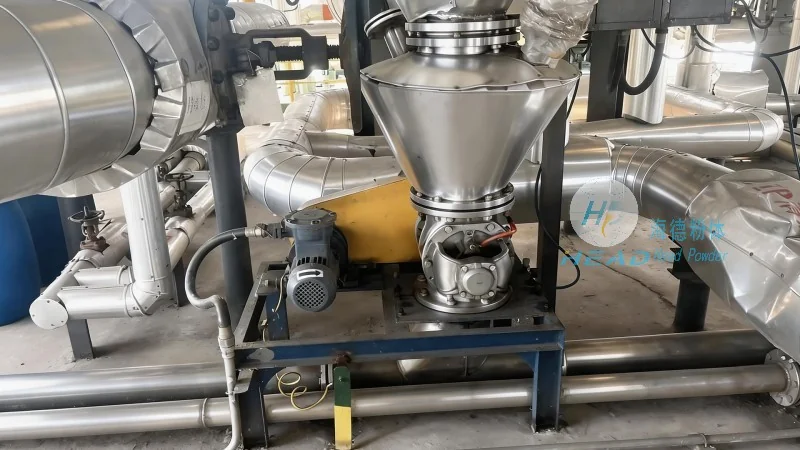
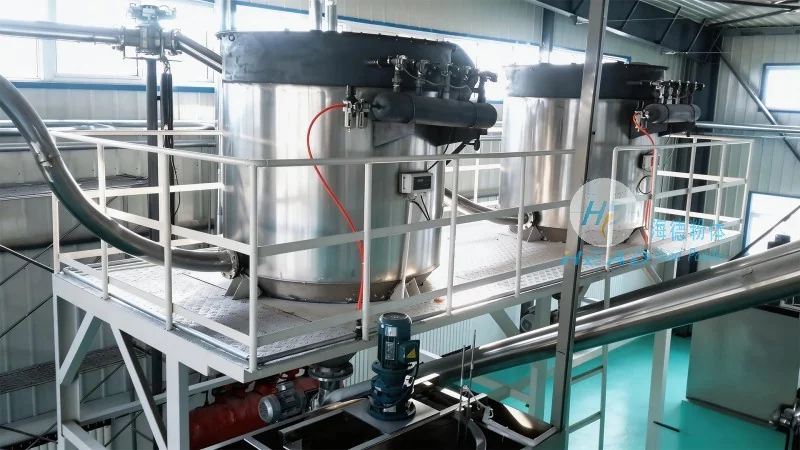
The core components of barium carbonate powder handling equipment typically include feeders, conveyors, storage silos, and advanced control systems. Each component is meticulously designed to handle the specific properties of barium carbonate powder. Feeders, often equipped with rotary or vibratory mechanisms, ensure a consistent and controlled flow of powder from the source to the conveyor system. These feeders are crucial for maintaining uniform material delivery, preventing overloading or underflow that could disrupt the entire process. Conveyors, which may be pneumatic or mechanical, transport the powder from the feeder to the storage silos or processing units. Pneumatic conveyors use air pressure to move the powder, while mechanical conveyors rely on belts or screws, offering flexibility based on the application requirements. Storage silos are constructed with appropriate ventilation and dust control measures to prevent caking and ensure safe storage. The silos are designed to accommodate varying batch sizes and provide easy access for maintenance and inspection. The control systems integrate sensors and automation technology to monitor flow rates, pressure, and other critical parameters, optimizing the operation and enhancing safety by preventing overfilling or underfilling.
Design Principles for Efficient and Safe Operation
The design principles of barium carbonate powder handling equipment prioritize several key factors to ensure optimal performance and safety. First, the equipment addresses the challenges posed by the fine particle size of barium carbonate, which can lead to bridging, segregation, and dust accumulation. To mitigate these issues, the design incorporates features like agitators, air knives, and anti-caking agents. Agitators are used to break up any agglomerates and maintain a uniform powder flow, while air knives help to separate particles and prevent blockages. Anti-caking agents may be added to the powder to improve flowability and reduce the risk of caking. Second, the system emphasizes dust control and environmental safety, as barium carbonate is a hazardous material that requires strict containment measures. The equipment is equipped with dust collection systems and sealed components to prevent exposure to workers and the environment. This is critical for compliance with occupational health and safety regulations and for protecting the surrounding environment. Third, the design prioritizes energy efficiency and operational reliability. The equipment uses durable materials and robust mechanisms to withstand the abrasive nature of the powder, reducing maintenance costs and downtime. Additionally, the equipment is designed for easy maintenance and cleaning, with accessible components that allow for quick inspections and repairs, minimizing operational disruptions.
Applications and Benefits in Industrial Settings
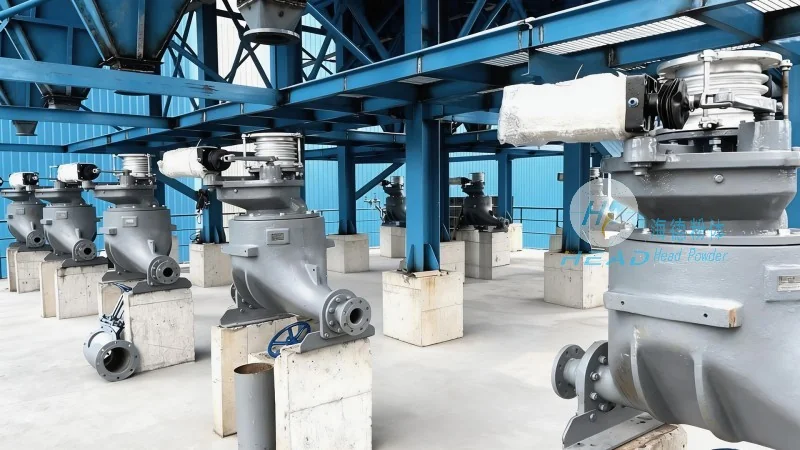
Barium carbonate powder handling equipment is widely utilized in industries where barium carbonate is a key component in the production of various products. In the glass industry, for example, the equipment ensures a consistent supply of barium carbonate to the production line, enhancing the quality and color of the glass products. Barium carbonate is used to adjust the refractive index and improve the optical properties of glass. In the ceramics industry, the equipment facilitates the precise mixing of barium carbonate with other raw materials, improving the strength and durability of ceramic products. The benefits of using specialized handling equipment include improved product quality, reduced waste, enhanced safety, and increased operational efficiency. By maintaining the integrity of the powder and minimizing contamination, the equipment helps manufacturers achieve higher standards of production and compliance with regulatory requirements. Furthermore, the equipment contributes to cost savings by optimizing material usage and reducing the need for manual handling, which can be hazardous and inefficient.
Conclusion
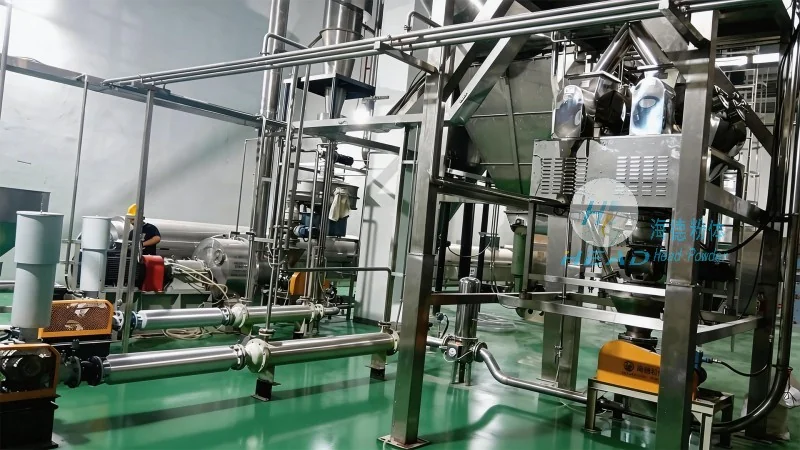
Barium carbonate powder handling equipment is a critical component in the industrial processing of barium carbonate. Its design principles, focusing on efficiency, safety, and reliability, address the unique challenges of handling this fine powder. By integrating advanced components and control systems, the equipment ensures optimal performance and contributes to the overall success of industrial applications. As industries continue to rely on barium carbonate for various products, the importance of specialized handling equipment will only grow, supporting sustainable and safe production practices. The equipment not only enhances operational efficiency but also ensures compliance with environmental and safety regulations, making it an indispensable asset for manufacturers in the barium carbonate industry.