

What is a Glass Raw Material Powder Conveying Equipment? And What Are Its Design Principles?
For glass manufacturers, the efficient and reliable transportation of raw material powders is a critical aspect of production. The glass raw material powder conveying equipment, developed by Shandong HeadPowder Engineering Co., Ltd., plays a pivotal role in this process. This equipment is specifically designed to handle the unique challenges associated with transporting fine powders used in glass production, ensuring consistent performance and minimal material loss. In this article, we will explore what this equipment entails and delve into its fundamental design principles.
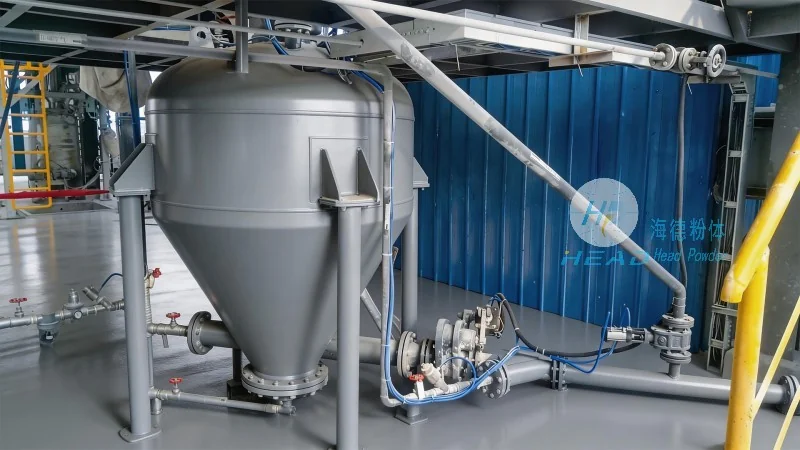
Understanding the Glass Raw Material Powder Conveying Equipment
At the core of glass production is the need to move raw materials such as silica sand, soda ash, limestone, and other additives from storage to the melting furnace. These materials are typically in powder form and require specialized equipment to handle due to their fine particle size and tendency to create dust or cause blockages. The glass raw material powder conveying equipment from HeadPowder is engineered to address these challenges effectively. It is a system that integrates various components, including feeders, conveyors, and control systems, to ensure a seamless flow of raw materials throughout the production line.
Key Components and Their Functions
The design of the glass raw material powder conveying equipment involves several key components, each playing a crucial role in the overall operation. The first component is the material feeder, which is responsible for accurately measuring and dispensing the raw material powder. This component is typically equipped with sensors to monitor the flow rate and adjust as needed to maintain consistency. The feeder ensures that the correct amount of material is fed into the conveyor system, preventing overfeeding or underfeeding, which could impact the quality of the final glass product.
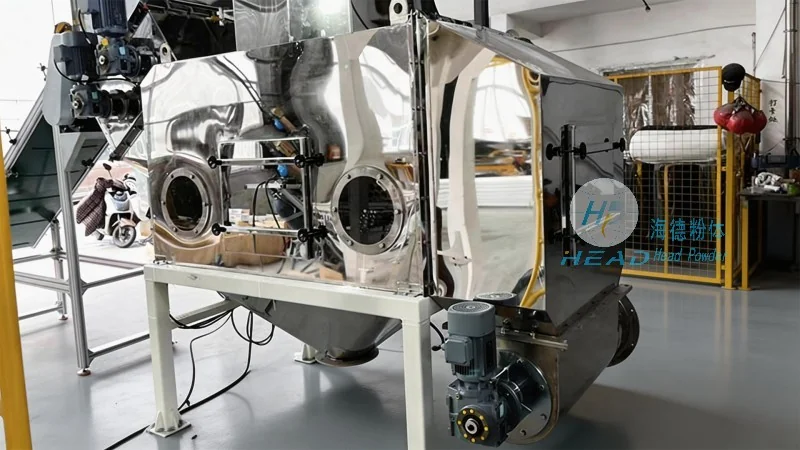
Next, the conveyor system itself is a critical part of the equipment. It can be of various types, such as screw conveyors, pneumatic conveyors, or belt conveyors, depending on the specific requirements of the glass production process. Screw conveyors are commonly used for horizontal or slight incline transport, while pneumatic conveyors are ideal for vertical or long-distance transport due to their ability to handle fine powders without clogging. The conveyor system is designed to maintain a consistent flow of material, minimizing the risk of blockages or material degradation.
The Design Principles Behind the Equipment
The design principles of the glass raw material powder conveying equipment are centered on efficiency, reliability, and safety. One of the primary principles is the minimization of material loss and contamination. The equipment is constructed with materials that are resistant to corrosion and wear, ensuring that the raw materials remain pure throughout the conveying process. Additionally, the design incorporates features to prevent dust generation and ensure proper ventilation, maintaining a safe working environment for operators.
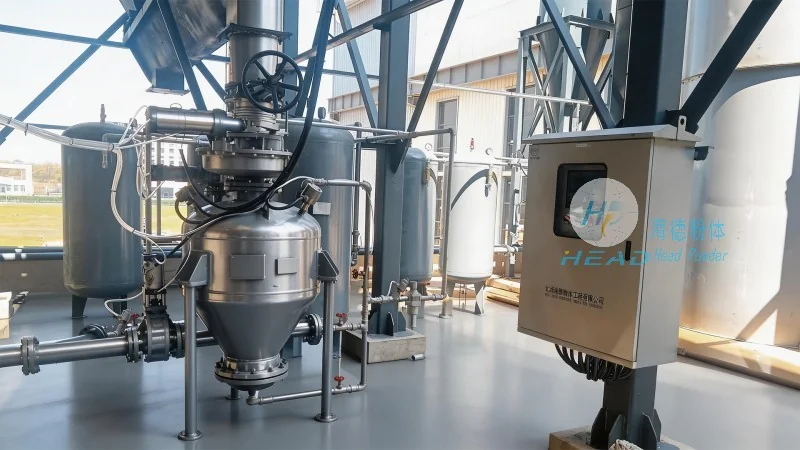
Another key design principle is the adaptability to different raw material types and particle sizes. The equipment is designed to handle a wide range of powders, from fine to coarse, without compromising performance. This adaptability is achieved through adjustable components, such as variable speed feeders and customizable conveyor sections, allowing the system to be tailored to specific production needs. The design also emphasizes energy efficiency, with components that minimize power consumption while maintaining optimal performance.
Operational Advantages and Benefits
The implementation of the glass raw material powder conveying equipment by Shandong HeadPowder Engineering Co., Ltd. offers several operational advantages. Firstly, it enhances production efficiency by ensuring a continuous and consistent supply of raw materials to the melting furnace. This reduces downtime and improves overall production throughput. Secondly, it improves product quality by maintaining the purity and consistency of the raw materials, which directly impacts the quality of the final glass product. The equipment also reduces labor costs by automating the material handling process, minimizing the need for manual intervention.
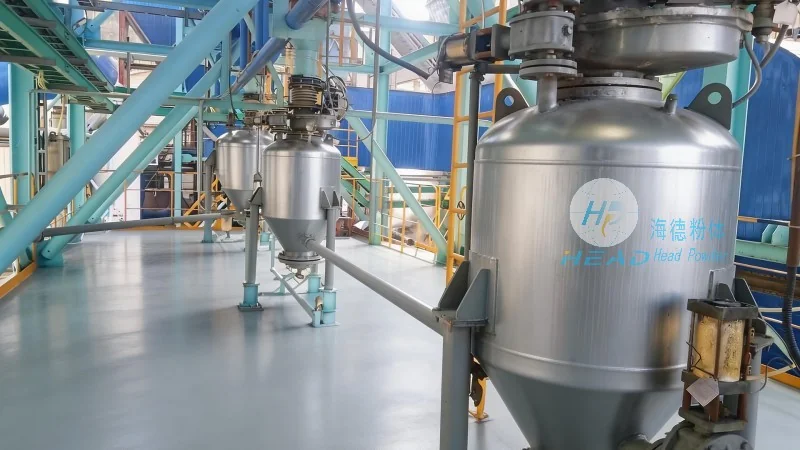
Furthermore, the equipment contributes to environmental sustainability by reducing dust emissions and improving material handling efficiency. The design incorporates dust collection systems and sealed components to minimize the release of fine particles into the environment, adhering to environmental regulations. This not only benefits the company's environmental footprint but also enhances workplace safety by reducing exposure to harmful dust particles.
Conclusion
In conclusion, the glass raw material powder conveying equipment from Shandong HeadPowder Engineering Co., Ltd. is a sophisticated system designed to meet the demanding requirements of glass production. Its design principles focus on efficiency, reliability, and safety, ensuring that raw materials are transported effectively and consistently. By integrating advanced components and adhering to rigorous engineering standards, this equipment helps glass manufacturers achieve higher productivity, improved product quality, and enhanced operational safety. As a leading provider in the industry, HeadPowder continues to innovate and provide solutions that meet the evolving needs of the glass manufacturing sector.