

What is a Dust Extraction Station Powder Conveying Line? And What Are Its Design Principles?
Dust extraction stations are critical components in industrial settings where handling of powders is common. The primary function of a dust extraction station is to capture airborne particles and transport them to a collection system, ensuring a safe and clean working environment. A key part of this system is the powder conveying line, which efficiently moves the captured powder from the extraction point to the storage or processing area. Understanding the design principles behind these lines is essential for optimizing performance, maintaining efficiency, and ensuring compliance with safety regulations.
Components of a Dust Extraction Station Powder Conveying Line
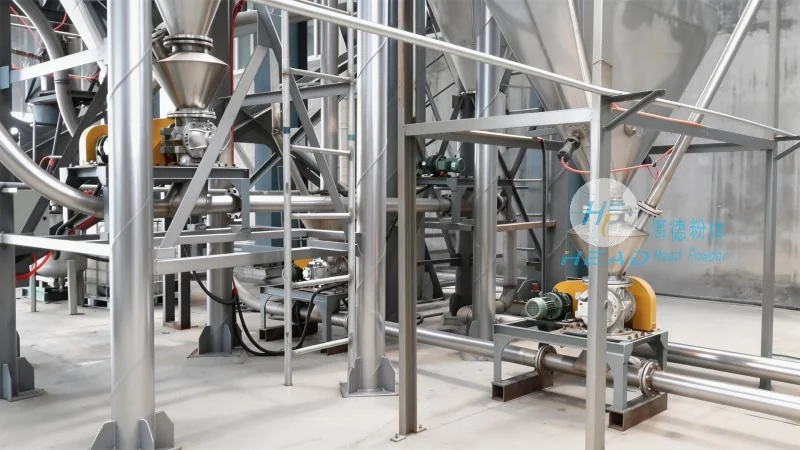
The powder conveying line within a dust extraction station typically consists of several interconnected components. The first component is the extraction hood or nozzle, which is strategically placed to capture dust at the source. This is often followed by a flexible duct or rigid pipe that transports the powder. Inside the duct, a fan or blower provides the necessary airflow to move the powder. The system may also include a filter or cyclone separator to separate the powder from the air stream. Finally, the cleaned air is discharged, while the collected powder is directed to a storage bin or processing unit.
Design Principles for Efficient Powder Conveying
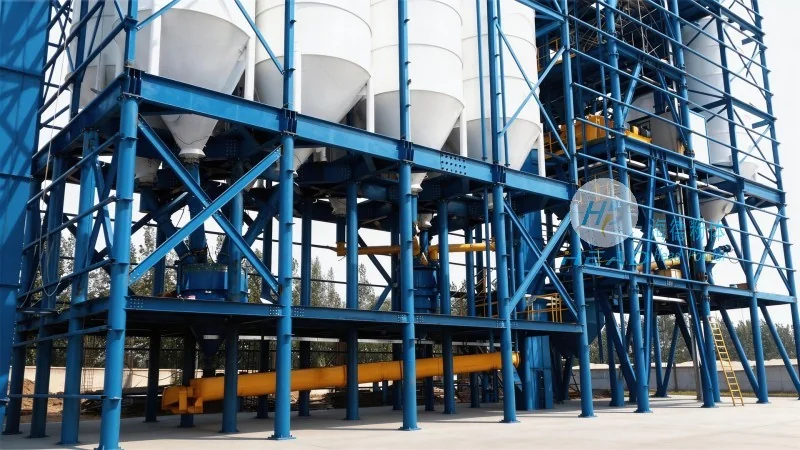
Several key design principles are applied to ensure the effective operation of a dust extraction station powder conveying line. First, the system must maintain a consistent and sufficient airflow to prevent dust accumulation and ensure complete capture. The velocity of the air in the duct is a critical factor; it must be high enough to overcome the resistance of the powder particles but not so high as to cause excessive wear on the ducting or components. Second, the design must consider the properties of the powder being handled, such as its density, moisture content, and flowability. Different powders may require different conveying methods, such as pneumatic conveying (using air pressure) or mechanical conveying (using screws or belts). Third, the system should be designed for easy maintenance and cleaning to prevent clogging and ensure long-term reliability. Regular inspection and cleaning of the ducts, filters, and fans are essential to maintain optimal performance.
Role of HeadPowder in Design and Implementation
Shandong HeadPowder Engineering Co., Ltd., a leading company based in China, specializes in the design, manufacturing, and installation of dust extraction systems, including powder conveying lines. With years of experience in the industry, HeadPowder understands the importance of integrating advanced technology with practical design to meet the specific needs of clients. The company’s team of engineers and technicians work closely with clients to assess their operational requirements, powder characteristics, and space constraints to develop customized solutions. HeadPowder utilizes high-quality materials and components, ensuring durability and efficiency in their systems. The company’s commitment to quality and customer satisfaction has made it a trusted partner for many industrial facilities worldwide.
Address and Contact Information
Shandong HeadPowder Engineering Co., Ltd. is located in Shandong, China. The company’s headquarters is situated in a region known for its industrial capabilities, providing easy access to raw materials and manufacturing facilities. HeadPowder’s facilities are equipped with state-of-the-art equipment and technology, enabling the company to produce high-quality dust extraction systems that meet international standards. The company’s team of experts is dedicated to providing excellent service and support to its clients, ensuring that their dust extraction and powder conveying needs are met effectively and efficiently.