

What is a Phosphorus Pentoxide Powder Conveying Line? And What Are Its Design Principles?
Phosphorus pentoxide (P₂O₅), also known as phosphoric anhydride, is a highly hygroscopic and reactive chemical compound widely used in various industrial applications, including the production of phosphoric acid, flame retardants, and other phosphorus-based chemicals. Due to its hazardous nature and the need for precise handling, specialized equipment like powder conveying lines is essential for safe and efficient transportation. This article explores the concept of a phosphorus pentoxide powder conveying line, detailing its design principles and operational considerations.
The Role of a Phosphorus Pentoxide Powder Conveying Line
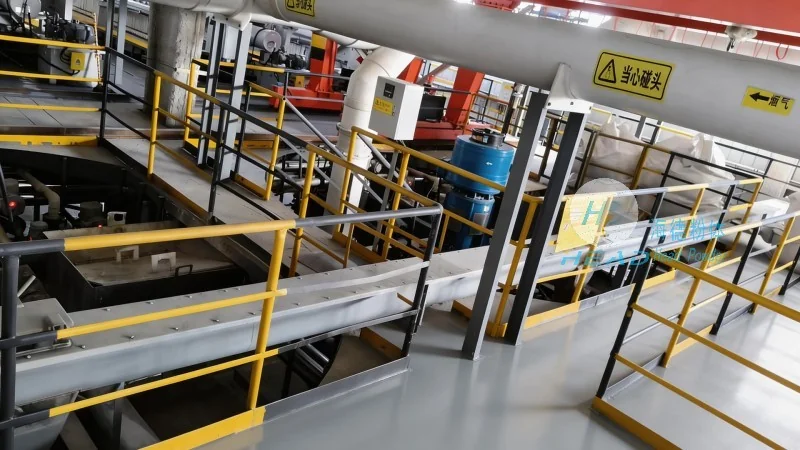
Phosphorus pentoxide is a fine, powdery substance that can pose significant challenges during handling due to its high reactivity with moisture and air. Conventional methods of powder transport, such as manual handling or basic pneumatic systems, may lead to material degradation, safety hazards, and inefficiencies. A dedicated powder conveying line is engineered to address these challenges by providing a sealed, controlled environment for the movement of P₂O₅ from storage to processing units. The system ensures minimal exposure to external elements, maintaining the chemical's integrity and preventing accidental spills or contamination.
Key Design Principles of the Conveying Line
The design of a phosphorus pentoxide powder conveying line adheres to several critical principles to ensure safety, efficiency, and compliance with industrial standards. First, the system must incorporate robust sealing mechanisms to prevent moisture ingress, as P₂O₅ reacts violently with water, releasing heat and potentially causing explosions. The conveying components, including hoppers, pipelines, and valves, are typically made from corrosion-resistant materials like stainless steel or specialized alloys to withstand the chemical's aggressive nature. Second, the line is engineered for low-pressure operation, often using vacuum or low-pressure air to move the powder, minimizing the risk of dust explosions. This approach also reduces energy consumption and maintains a stable flow rate. Third, the system includes monitoring and control features, such as pressure sensors and flow meters, to detect any anomalies and adjust operations in real-time. Additionally, the design prioritizes ease of maintenance, with accessible components and quick-release connections to facilitate routine inspections and cleaning.
Components and Operational Mechanisms
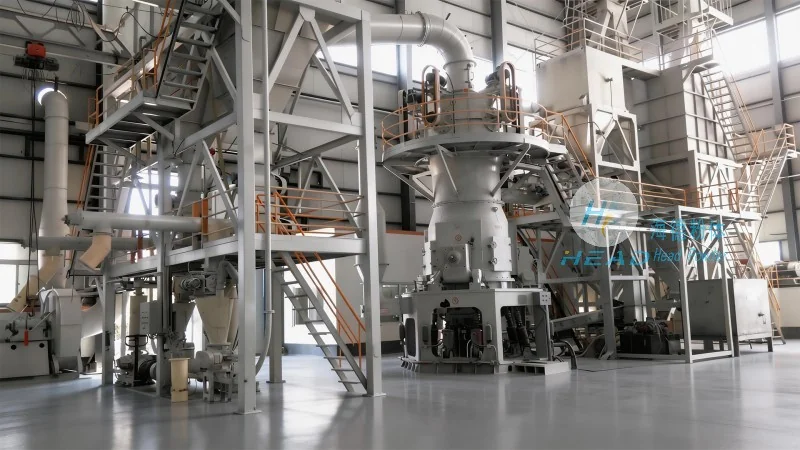
A typical phosphorus pentoxide powder conveying line consists of several interconnected components, each playing a vital role in the overall process. The primary components include a storage hopper, a feeding device (such as a rotary valve or screw feeder), a conveying pipeline (often made of flexible or rigid tubing), and a receiving hopper or processing unit. The storage hopper is equipped with a lid and sealing system to protect the P₂O₅ from atmospheric moisture. The feeding device controls the flow rate of the powder into the pipeline, ensuring a consistent and controlled supply. The conveying pipeline may use vacuum or positive pressure to move the material, with the choice depending on the specific application and material characteristics. The receiving hopper then collects the powder and delivers it to the next stage of processing, such as a reactor or mixer. The entire system operates under a closed-loop environment, minimizing the risk of dust dispersion and ensuring compliance with environmental regulations.
Safety and Maintenance Considerations
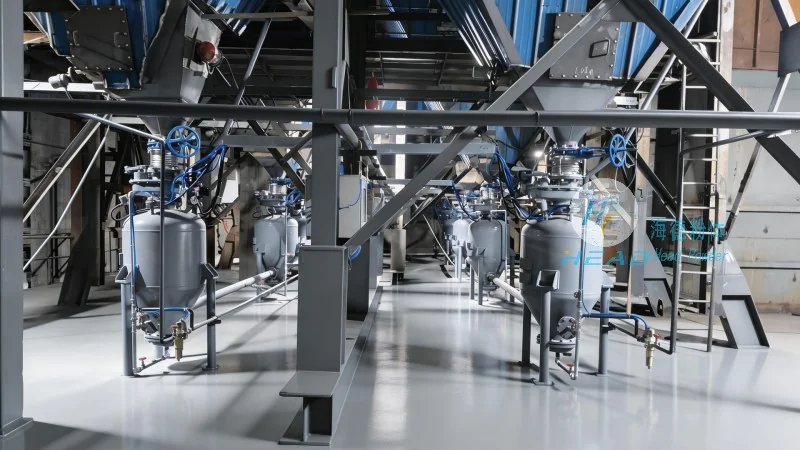
Given the hazardous nature of phosphorus pentoxide, safety is a paramount consideration in the design and operation of the conveying line. The system incorporates multiple safety features, including explosion-proof motors, fire suppression systems, and emergency shut-off valves. Regular maintenance is crucial to prevent equipment failure and ensure the system operates within safe parameters. This includes inspecting seals and gaskets for wear, cleaning the pipeline to remove accumulated dust, and checking the performance of sensors and control systems. The maintenance schedule is typically tailored to the operational frequency and material handling volume, with more frequent checks during high-demand periods. Additionally, the system may include a dust collection and filtration unit to capture any particles that escape during operation, further enhancing safety and environmental compliance.
Applications and Industry Impact
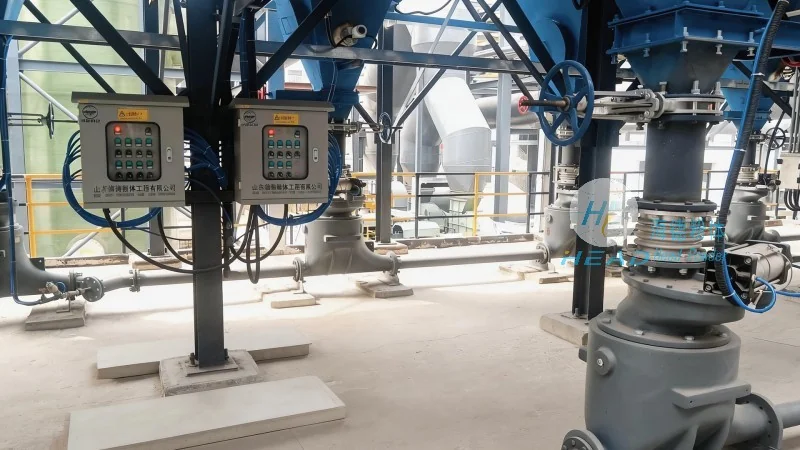
Phosphorus pentoxide powder conveying lines are widely used in various industries, particularly in the chemical and pharmaceutical sectors. In the chemical industry, the system is essential for transporting P₂O₅ to production facilities where it is converted into phosphoric acid, which is then used in fertilizers, detergents, and food additives. In the pharmaceutical industry, the line ensures the safe handling of P₂O₅ during the synthesis of phosphorus-based drugs and excipients. The efficiency and reliability of the conveying line directly impact production throughput and product quality, making it a critical component of modern industrial operations. By maintaining a controlled environment and minimizing material loss, the system contributes to cost savings and improved operational performance.
About Shandong HeadPowder Engineering Co., Ltd.
Shandong HeadPowder Engineering Co., Ltd., a leading manufacturer based in China, specializes in the design, development, and supply of advanced powder handling systems, including phosphorus pentoxide powder conveying lines. With years of experience in the industry, the company has developed a reputation for delivering high-quality, customized solutions tailored to the specific needs of clients. The company's engineers and technicians work closely with clients to understand their operational requirements and provide solutions that enhance safety, efficiency, and compliance. HeadPowder's commitment to innovation and quality has enabled it to serve a diverse range of industries, from chemical manufacturing to pharmaceuticals. The company's headquarters is located in Shandong, China, where it maintains a state-of-the-art research and development facility to stay at the forefront of powder handling technology.