

What is an Acrylate Rubber Powder Conveying Line? And What Are Its Design Principles?
Acrylate rubber powder conveying lines are specialized industrial systems engineered to handle the transportation of acrylate rubber powders efficiently and safely. These systems are crucial in various manufacturing processes where acrylate rubber is a key material, ensuring consistent material flow from storage to processing units. The design of such lines integrates several critical components and principles tailored to the unique properties of acrylate rubber, which includes its chemical stability, flexibility, and resistance to various environmental factors.
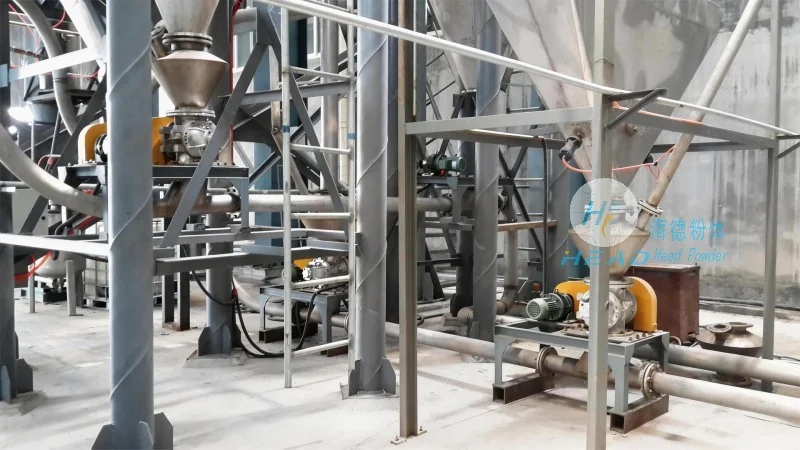
HeadPowder: A Leading Provider of Powder Handling Solutions
Shandong HeadPowder Engineering Co., Ltd., commonly known as HeadPowder, is a reputable company based in Shandong, China, specializing in the design, manufacturing, and integration of advanced powder handling systems. With a strong focus on innovation and customer-centric solutions, HeadPowder has established itself as a trusted partner in the industry, delivering high-quality equipment that meets the stringent requirements of modern manufacturing environments. The company’s expertise lies in understanding the specific challenges associated with handling acrylate rubber powders, such as dust control, material segregation, and system reliability.
Core Components and Design Principles of Acrylate Rubber Powder Conveying Lines
The design of an acrylate rubber powder conveying line typically involves a combination of components that work in harmony to ensure smooth operation. Key elements include storage hoppers, feeding mechanisms, conveying equipment (like screw conveyors or pneumatic systems), and control systems. Each component is selected based on the physical and chemical characteristics of acrylate rubber, which is known for its fine particle size and tendency to generate dust. The design principles emphasize minimizing material degradation, preventing contamination, and optimizing energy efficiency. For instance, the use of enclosed systems and proper sealing mechanisms is essential to maintain the quality of the acrylate rubber and prevent exposure to moisture or other contaminants that could affect its performance.
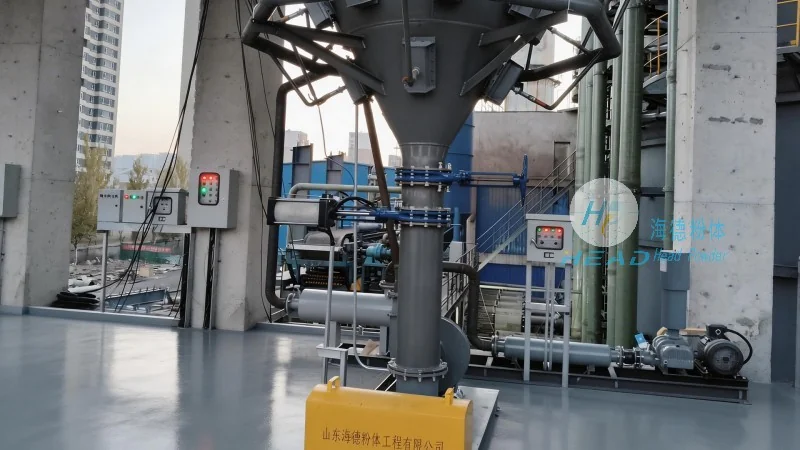
Feeding and Metering Systems: Ensuring Precise Material Flow
Feeding and metering are critical stages in the operation of an acrylate rubber powder conveying line. The system must accurately control the flow rate of the powder to meet production demands while maintaining consistency. HeadPowder’s solutions often incorporate advanced feeding mechanisms, such as rotary valves or volumetric feeders, which are designed to handle the fine nature of acrylate rubber without causing blockages or uneven flow. These components are typically made from materials resistant to chemical corrosion, ensuring long-term durability and reliability. The design also considers the need for easy maintenance and cleaning, as acrylate rubber powders can adhere to surfaces and require regular upkeep to prevent system downtime.
Conveying Methods: Balancing Efficiency and Material Integrity
Conveying acrylate rubber powders can be achieved through various methods, with the choice depending on the specific application and system requirements. Screw conveyors are commonly used for horizontal or slight incline transport due to their ability to handle fine powders without the need for additional air. Pneumatic conveying systems, on the other hand, are suitable for longer distances or when the powder needs to be transported in a closed loop. The design of the conveying line must consider factors like the particle size distribution, bulk density, and flow characteristics of the acrylate rubber. Proper selection of the conveying method ensures that the material remains intact, avoiding issues like agglomeration or degradation that could compromise product quality. HeadPowder’s engineers carefully evaluate these factors to recommend the most suitable conveying solution for each client’s needs.
Control and Monitoring Systems: Enhancing Operational Efficiency
Modern acrylate rubber powder conveying lines are equipped with sophisticated control and monitoring systems to optimize performance and ensure safety. These systems typically include sensors for level measurement, pressure monitoring, and flow rate detection. Real-time data from these sensors allows operators to adjust the system parameters dynamically, maintaining consistent material flow and preventing overloading or underflow. The control systems also incorporate safety features, such as emergency stop buttons and interlocks, to protect both personnel and equipment. Additionally, HeadPowder’s solutions may include data logging and reporting capabilities, enabling clients to track system performance over time and identify areas for improvement. This proactive approach to monitoring helps in reducing downtime and improving overall operational efficiency.
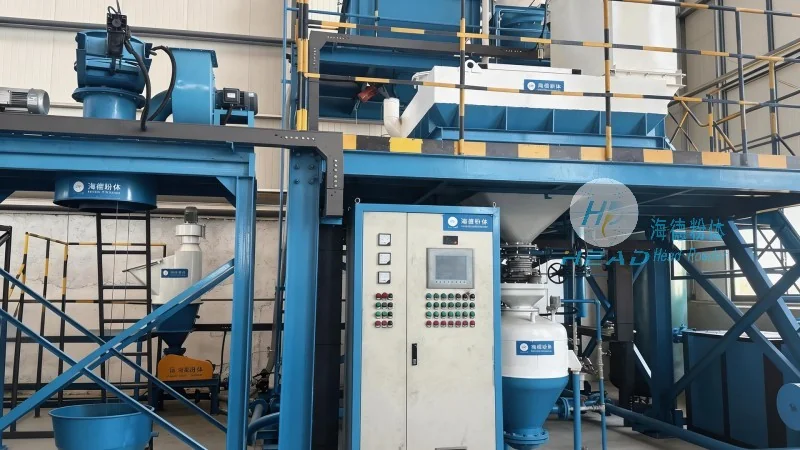
Integration with Manufacturing Processes: Ensuring Seamless Operation
An acrylate rubber powder conveying line is often integrated into a larger manufacturing process, working in conjunction with other equipment like mixers, extruders, or molding machines. The design of the conveying line must consider the compatibility with these downstream processes, ensuring that the material is delivered in the correct condition and quantity. For example, if the acrylate rubber is to be used in a compounding process, the conveying system must maintain the powder’s uniformity and prevent segregation. HeadPowder’s expertise in system integration ensures that the conveying line works seamlessly with the entire production line, minimizing the risk of material loss or contamination. This integration is crucial for maintaining product quality and meeting production targets.
Maintenance and Longevity: Ensuring System Reliability
The reliability of an acrylate rubber powder conveying line depends on regular maintenance and proper system design. HeadPowder emphasizes the importance of using high-quality materials and components that are resistant to wear and corrosion from the acrylate rubber. Regular cleaning and inspection of the system are essential to prevent the buildup of powder residue, which can affect performance and lead to blockages. The company also provides comprehensive maintenance services, including on-site support and spare parts availability, to ensure that clients can keep their systems operational with minimal disruption. By adhering to these maintenance practices, manufacturers can extend the lifespan of their conveying lines and maintain consistent production output.