

What is the Material Handling of Ash Tank Trucks? And What Are the Design Principles?
Understanding the material handling processes within ash tank trucks is crucial for optimizing industrial operations, especially in sectors dealing with waste management and energy production. Ash tank trucks are specialized vehicles designed to transport ash, a byproduct of combustion processes, from power plants or other industrial facilities to disposal sites. The efficient handling of this material inside the truck not only enhances safety but also improves the overall performance of the transportation system.
Key Components of Ash Tank Truck Material Handling Systems
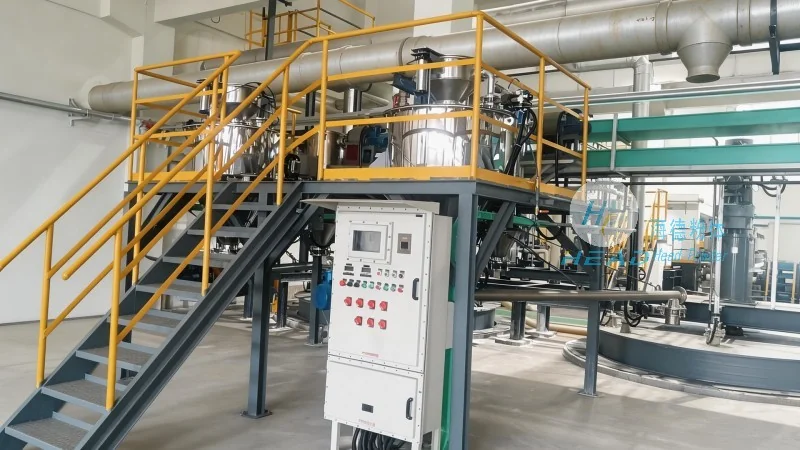
The material handling system in an ash tank truck typically consists of several critical components that work in tandem to ensure safe and effective transport. These components include the tank itself, which is often made of durable materials like steel to withstand the corrosive nature of ash, and internal mechanisms such as agitators or mixers that help keep the ash in a fluid or semi-fluid state. This fluidization process is essential for preventing clogging and ensuring consistent flow during transport. Additionally, the truck may be equipped with a discharge valve or pump system at the rear, allowing for controlled unloading of the ash at the destination. The design of these internal components is tailored to the specific characteristics of the ash, such as its particle size, moisture content, and density, to maximize efficiency.
Design Principles for Efficient Material Handling in Ash Tank Trucks
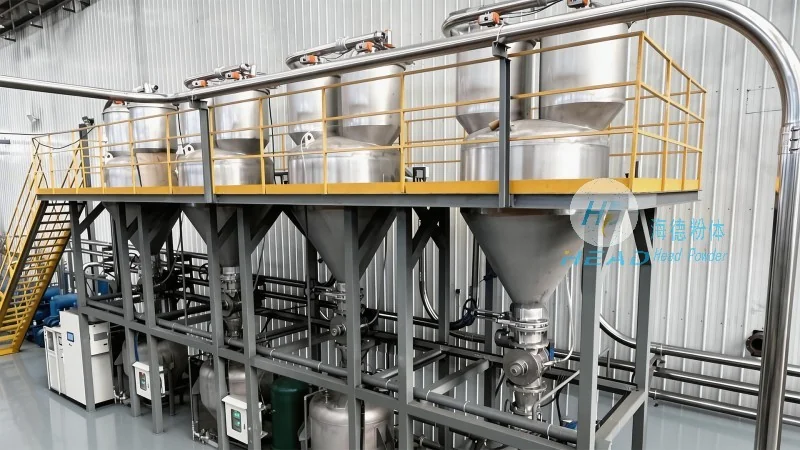
The design principles behind ash tank truck material handling systems focus on several key factors, including durability, safety, and operational efficiency. Durability is a top priority due to the abrasive nature of ash, which can cause wear and tear on the tank and its components. Therefore, materials like high-strength steel or corrosion-resistant alloys are commonly used to extend the lifespan of the truck. Safety is another critical aspect, as ash can be hazardous if not handled properly. The design incorporates features like secure tank closures, ventilation systems to manage dust, and protective barriers to prevent accidental spills. Operational efficiency is achieved through the integration of fluidization techniques, which reduce the friction between the ash particles and the tank walls, allowing for smoother movement and reduced energy consumption during transport. The discharge system is also designed for minimal downtime, with options like pneumatic or hydraulic pumps that can handle varying ash viscosities.
How Material Handling Enhances Ash Tank Truck Performance
Effective material handling directly impacts the performance of ash tank trucks in several ways. By keeping the ash in a fluid state, the truck can maintain a consistent load, reducing the risk of overloading or underloading. This consistency also improves the accuracy of weight measurements, which is important for compliance with environmental regulations and cost calculations. Furthermore, efficient handling reduces the likelihood of blockages, which can lead to delays and increased maintenance costs. The smooth flow of ash also minimizes the wear on the truck's components, leading to lower long-term operational expenses. In addition, modern design principles incorporate advanced monitoring systems that track the status of the material handling process in real-time, allowing operators to make adjustments as needed to maintain optimal performance.
Applications and Industries Benefiting from Ash Tank Truck Material Handling
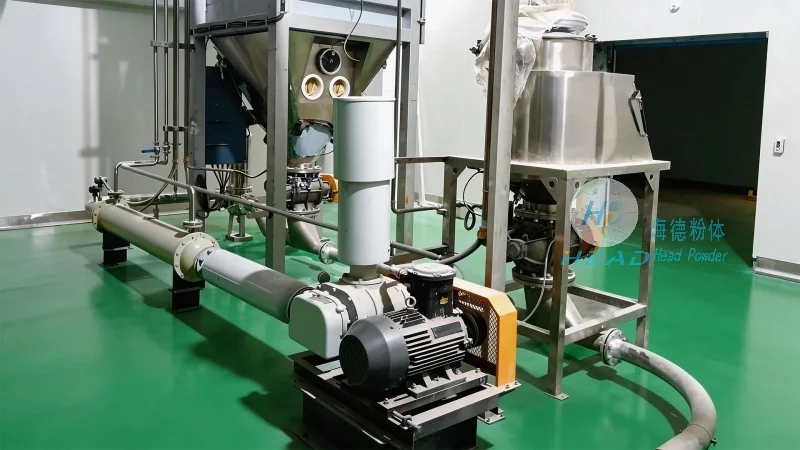
Ash tank trucks with advanced material handling systems are widely used in various industries, primarily in the energy sector. Power plants, particularly those using coal as a fuel source, generate large quantities of ash that need to be transported to landfills or recycling facilities. The material handling systems in these trucks ensure that the ash is transported safely and efficiently, reducing the environmental impact of ash disposal. Other industries that benefit include waste management companies, which handle ash from incineration processes, and industrial facilities that produce ash as a byproduct of chemical or manufacturing processes. The versatility of ash tank trucks allows them to be adapted for different types of ash, making them a valuable asset in any operation that requires the transport of bulk materials.
Conclusion: The Importance of Design and Material Handling in Ash Tank Trucks
In conclusion, the material handling of ash tank trucks is a complex but essential aspect of industrial transportation. The design principles and components used in these systems are carefully engineered to address the unique challenges of transporting ash, including its abrasive nature and varying properties. By prioritizing durability, safety, and efficiency, manufacturers like Shandong HeadPowder Engineering Co., Ltd. ensure that their ash tank trucks provide reliable and effective service to their clients. The continuous improvement of material handling technology continues to enhance the performance of ash tank trucks, supporting the sustainable operation of industries that rely on these vehicles for the transport of ash and other bulk materials.