

What is Mica Powder Material Handling? What Are the Design Principles?
Mica powder, a widely used industrial material, often requires efficient and reliable material handling systems to ensure smooth production processes. This article explores the concept of mica powder material handling and delves into the core design principles that underpin effective systems for transporting and managing this fine powder. Understanding these aspects is crucial for industries that rely on mica powder in their manufacturing processes, as it directly impacts operational efficiency, product quality, and overall cost-effectiveness.
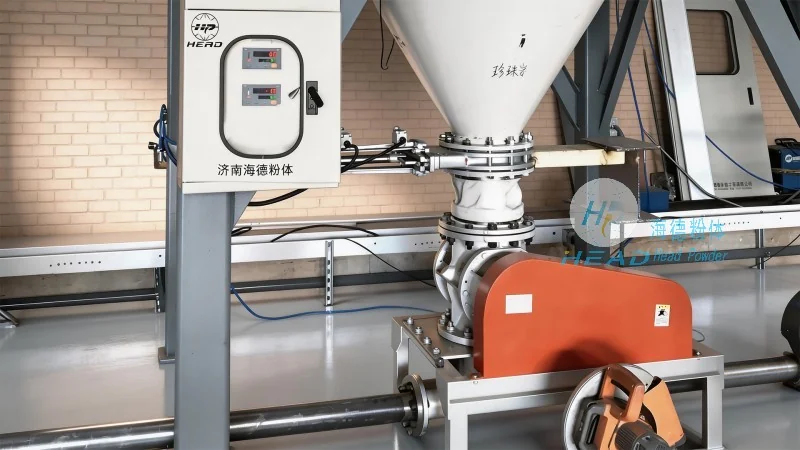
About HeadPowder: Your Trusted Partner in Material Handling Solutions
HeadPowder, or Shandong HeadPowder Engineering Co., Ltd., is a leading provider of specialized material handling solutions tailored for industries dealing with fine powders like mica. With a strong presence in China, particularly in Shandong, the company has established itself as a reliable partner for businesses seeking innovative and efficient systems to handle mica powder. HeadPowder’s expertise lies in designing and implementing systems that address the unique challenges associated with mica powder, such as its fine particle size, tendency to create dust, and the need for precise control during transport.
Key Design Principles for Mica Powder Material Handling
The design of mica powder material handling systems is governed by several critical principles that ensure optimal performance and safety. First, the system must be designed to minimize dust generation and control air flow, as mica powder is prone to creating airborne particles that can affect both worker health and product quality. This often involves the use of enclosed conveyor systems, dust collection equipment, and proper ventilation to maintain a clean working environment. Second, the equipment must be constructed from materials that are resistant to corrosion and abrasion, as mica powder can be abrasive and may contain acidic or alkaline components that could degrade standard materials over time. Stainless steel, special alloys, and wear-resistant coatings are commonly used to ensure long-term durability. Third, the system should incorporate features that prevent material buildup and blockages, as mica powder can settle and adhere to surfaces, leading to operational disruptions. This includes the use of sloped surfaces, vibration systems, and regular cleaning mechanisms to maintain smooth flow. Fourth, the design must prioritize safety and compliance with industrial standards, ensuring that the system meets local regulations regarding dust control, noise levels, and worker protection. By adhering to these principles, mica powder material handling systems can operate efficiently while maintaining a safe and environmentally responsible workplace.
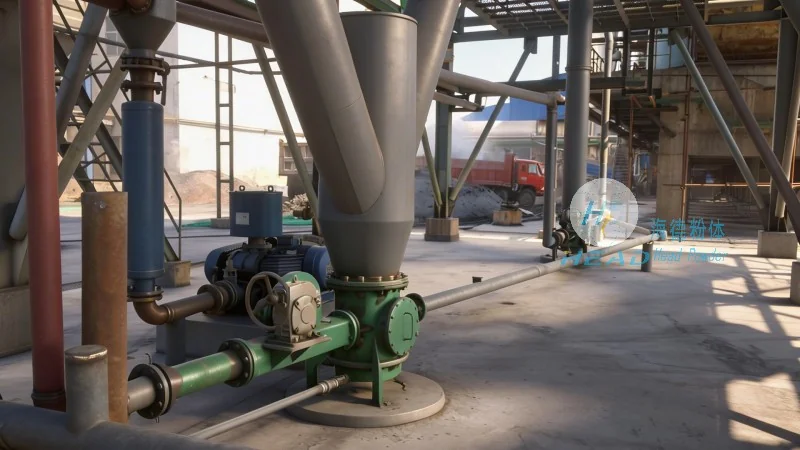
Common Components and Technologies in Mica Powder Handling Systems
Mica powder material handling systems typically consist of several key components that work together to achieve effective transport and management. The primary components include feeders, conveyors, storage silos, and discharge mechanisms. Feeders, such as rotary valves or vibratory feeders, are used to control the flow rate of mica powder from storage bins, ensuring a consistent and controlled feed to the conveyor system. Conveyors, often in the form of belt conveyors or pneumatic systems, are responsible for transporting the powder from one location to another. Belt conveyors are commonly used for bulk material handling due to their ability to handle large volumes and maintain a stable flow. Pneumatic conveying systems, on the other hand, use air pressure to move the powder through pipes, which is ideal for applications requiring dust-free transport over longer distances. Storage silos are used to store the mica powder before it is fed into the handling system, providing a buffer to maintain a steady supply. These silos are typically equipped with level sensors and aeration systems to prevent caking and maintain the powder's quality. Discharge mechanisms, such as screw conveyors or rotary valves, are used to release the powder from the conveyor system to the next processing stage or storage area. Each component is carefully selected and integrated to ensure seamless operation and minimal downtime.
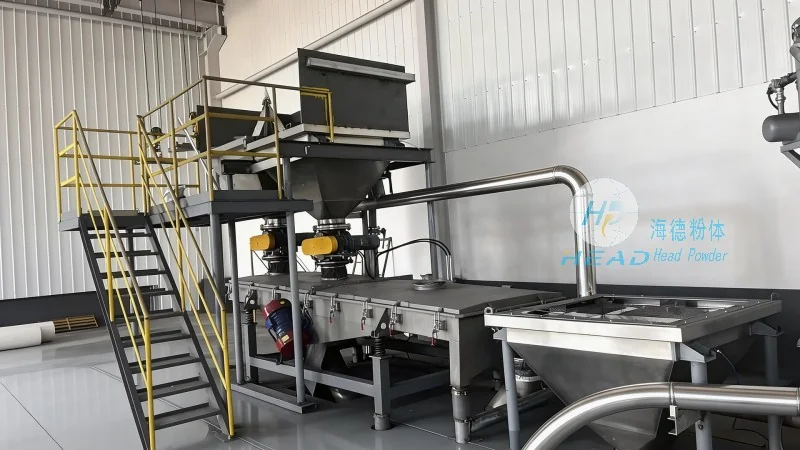
Applications and Industries Benefiting from Mica Powder Handling Solutions
Mica powder material handling systems are utilized across a wide range of industries that rely on mica powder for their products. These include the construction industry, where mica is used as a filler in paints, coatings, and plasters; the automotive industry, which uses mica in automotive paints and sealants; the cosmetics industry, which incorporates mica as a pigment and opacifier in makeup products; and the electrical industry, where mica is used as an insulating material in transformers and other electrical components. Each of these industries has specific requirements for mica powder handling, such as the need for high purity, consistent particle size, and low dust levels. HeadPowder’s systems are designed to meet these diverse needs, providing customized solutions that enhance the efficiency and quality of production processes in each sector. By optimizing material handling, these industries can reduce costs, improve product consistency, and enhance overall operational performance.
Conclusion: The Importance of Professional Mica Powder Handling Solutions
In conclusion, effective mica powder material handling is essential for industries that rely on this versatile material. The design principles and technologies employed in these systems play a critical role in ensuring efficient, safe, and cost-effective operations. HeadPowder, with its expertise and commitment to quality, offers comprehensive material handling solutions tailored to the unique needs of mica powder users. By partnering with HeadPowder, businesses can enhance their production processes, improve product quality, and maintain a competitive edge in their respective markets. The future of mica powder handling lies in innovative designs and advanced technologies that continue to address the challenges associated with this fine powder, and companies like HeadPowder are at the forefront of this evolution.