

What is Polypropylene Material Handling? And What Are the Design Principles?
For industrial operations that rely on efficient material movement, understanding polypropylene material handling is crucial. This process involves the movement, storage, and control of polypropylene materials from one point to another within a production or processing facility. As a versatile and widely used thermoplastic, polypropylene's handling requires specialized equipment and systems to ensure safety, efficiency, and product integrity.
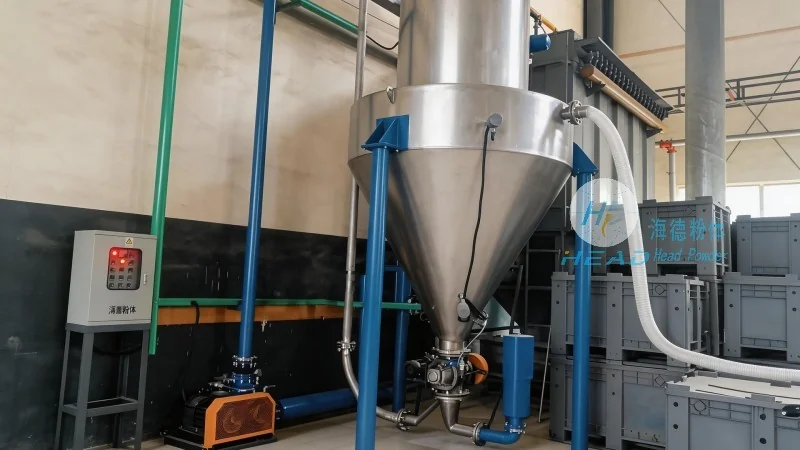
Polypropylene Material Handling: An Overview
Polypropylene (PP) is a polymer known for its lightweight, chemical resistance, and durability, making it a preferred material in various industries such as packaging, automotive, and consumer goods. Material handling for polypropylene involves the entire workflow from raw material storage to finished product delivery. This includes processes like conveying, sorting, and transporting polypropylene pellets, sheets, or other forms. The goal is to streamline operations while minimizing downtime and ensuring that the material remains in optimal condition throughout the handling process.
Design Principles for Polypropylene Material Handling Systems
The design of polypropylene material handling systems is guided by several key principles that ensure functionality and reliability. First, the system must be tailored to the specific characteristics of polypropylene, including its density, flowability, and potential for static charge accumulation. For instance, polypropylene can generate static electricity, which may affect the performance of certain handling equipment like conveyors. Therefore, anti-static measures are often integrated into the design to prevent material buildup and ensure smooth operation.
Second, the system should prioritize efficiency and minimal energy consumption. This involves selecting appropriate conveyor types, such as belt conveyors or screw conveyors, based on the material's properties and the required handling capacity. The design also considers the layout of the facility to minimize material travel distances and reduce the risk of damage or contamination. Additionally, the system must be scalable, allowing for future expansion as production needs evolve.
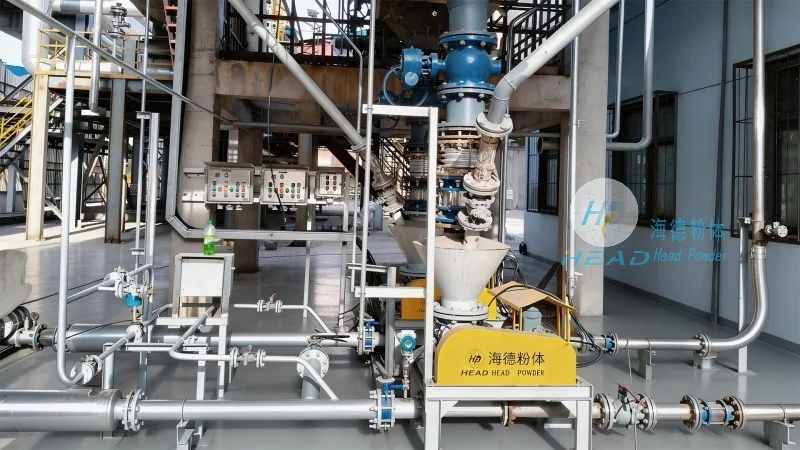
Key Components in Polypropylene Material Handling
Effective polypropylene material handling relies on a combination of components working in harmony. These include storage silos or hoppers for raw material containment, conveyors for transporting material between processes, and feeding systems to regulate the flow of polypropylene into processing equipment. For example, a screw conveyor might be used to move polypropylene pellets from a storage bin to a drying or extrusion machine. The selection of these components is critical, as each must be compatible with the material's properties and the operational requirements of the system.
Another essential component is the control system, which manages the entire handling process. This includes sensors to monitor material levels, flow rates, and temperature, as well as automation controls to adjust the operation of conveyors and other equipment. The control system ensures that the material handling process is consistent and responsive to changes in production demand. Furthermore, the system may incorporate safety features, such as emergency stop buttons and overload protection, to safeguard both personnel and equipment.
Applications of Polypropylene Material Handling
Polypropylene material handling systems are widely used across various industries. In the packaging industry, for instance, polypropylene is often handled to produce films, bottles, and containers. The material handling process ensures that raw polypropylene pellets are efficiently transported to extrusion lines, where they are melted and formed into final products. In the automotive sector, polypropylene is used for interior components like dashboards and door panels, and the handling system ensures that the material is delivered to molding machines without degradation.
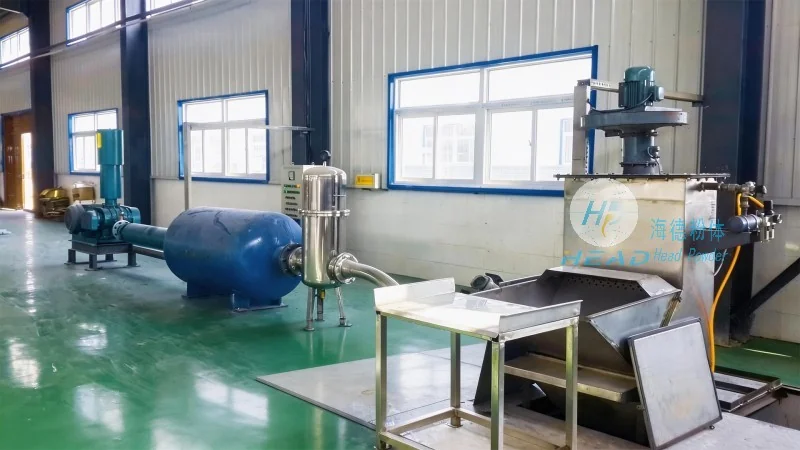
In the consumer goods industry, polypropylene is used for items such as plastic containers and toys. The material handling system in these facilities ensures that the material is processed and packaged efficiently, meeting quality standards and production schedules. Each application requires a customized approach to material handling, as the specific requirements of the end product influence the design of the handling system.
Challenges and Solutions in Polypropylene Material Handling
Handling polypropylene comes with its own set of challenges. One of the primary issues is the material's tendency to generate static electricity, which can cause material buildup on conveyor belts or in storage bins. This can lead to operational inefficiencies and safety hazards. To address this, anti-static additives are often incorporated into the polypropylene formulation, or the handling equipment is equipped with grounding systems to dissipate static charges.
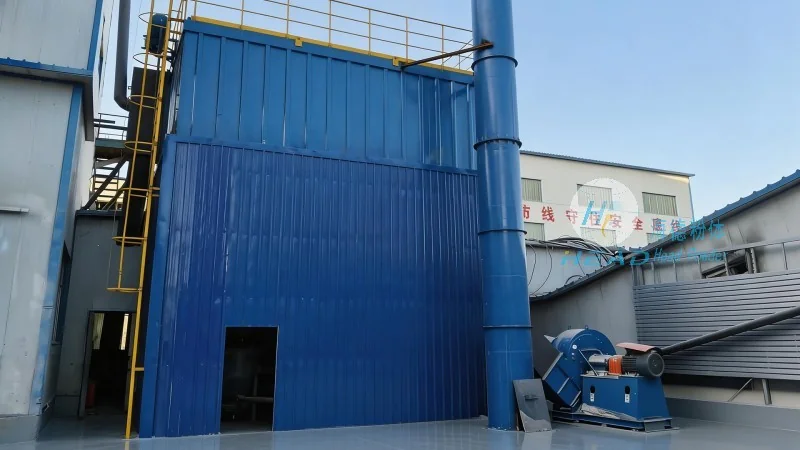
Another challenge is the material's susceptibility to moisture absorption, which can affect its processing properties. Proper moisture control is essential, and this is achieved through the use of drying systems integrated into the material handling process. The drying system removes moisture from the polypropylene before it enters the processing equipment, ensuring consistent product quality.
Additionally, polypropylene can be prone to degradation if exposed to high temperatures or prolonged handling. The design of the material handling system must include temperature control measures, such as insulated conveyors or cooling sections, to prevent overheating and maintain the material's integrity. These measures are critical for ensuring that the polypropylene remains in optimal condition throughout the handling process.
Conclusion
Polypropylene material handling is a critical aspect of industrial operations, requiring specialized systems and design principles to ensure efficiency and product quality. By understanding the unique properties of polypropylene and implementing appropriate handling solutions, companies can optimize their production processes and meet the demands of their customers. The key to successful polypropylene material handling lies in a well-designed system that integrates all necessary components and addresses the specific challenges associated with the material.