

What is Dry Sand Material Handling Equipment? What Are Its Design Principles?
Understanding dry sand material handling equipment is crucial for industries that rely on efficient and reliable transportation of fine, dry materials. This equipment is specifically designed to handle dry sand and similar granular materials, ensuring smooth and continuous operation in various industrial applications. The design principles behind these systems are tailored to address the unique challenges of transporting such materials, including preventing clogging, maintaining consistent flow rates, and ensuring durability under demanding conditions.
Introduction to Dry Sand Material Handling Equipment
Dry sand material handling equipment, as the name implies, is a specialized system used to transport dry sand and other similar granular materials from one location to another within industrial settings. These systems are essential in sectors such as construction, mining, and manufacturing, where the efficient movement of sand is critical for production processes. The equipment is engineered to handle dry, non-adhesive materials, making it suitable for applications where traditional conveyor systems might struggle due to material properties like low moisture content and fine particle size.
About HeadPowder: A Leading Provider of Material Handling Solutions
HeadPowder, or Shandong HeadPowder Engineering Co., Ltd., is a prominent manufacturer and supplier of advanced material handling equipment. With a strong presence in China, particularly in Shandong province, the company specializes in developing customized solutions for diverse industrial needs. HeadPowder's expertise lies in designing and manufacturing equipment that meets the specific requirements of clients, ensuring optimal performance and longevity. The company's commitment to quality and innovation has established it as a trusted partner in the material handling industry, providing reliable equipment for various applications involving dry sand and other granular materials.
Key Features and Components of Dry Sand Material Handling Equipment
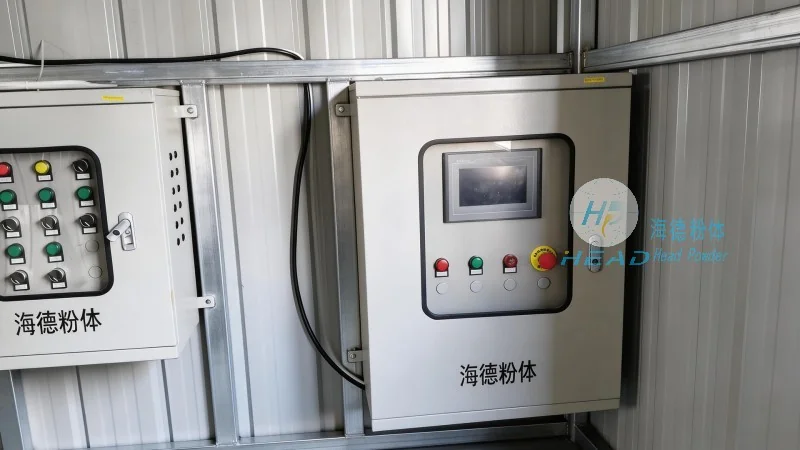
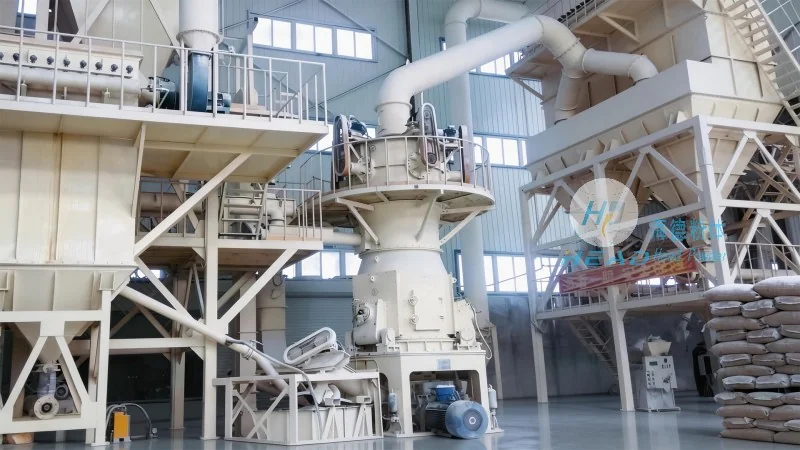
The core components of dry sand material handling equipment typically include a conveyor system, feeding mechanisms, and control units. The conveyor system, often in the form of a belt or screw conveyor, is designed to transport the dry sand efficiently. Feeding mechanisms, such as hoppers or feeders, ensure a consistent flow of material into the conveyor, preventing overloading and maintaining steady operation. Control units, equipped with sensors and automation features, monitor the system's performance and adjust parameters as needed to optimize material flow and prevent issues like clogging or blockages.
Design Principles for Efficient Dry Sand Transport
The design principles of dry sand material handling equipment are centered around several key factors to ensure effective and reliable operation. One of the primary principles is the prevention of material clogging, which is achieved through the use of specialized conveyor designs and feeding mechanisms that minimize the risk of particle accumulation. Another critical principle is maintaining consistent flow rates, which is essential for maintaining production efficiency and avoiding bottlenecks in the material handling process. The equipment is also designed with durability in mind, using materials and construction techniques that can withstand the abrasive nature of dry sand and the demanding conditions of industrial environments.
Applications and Benefits of Dry Sand Material Handling Equipment
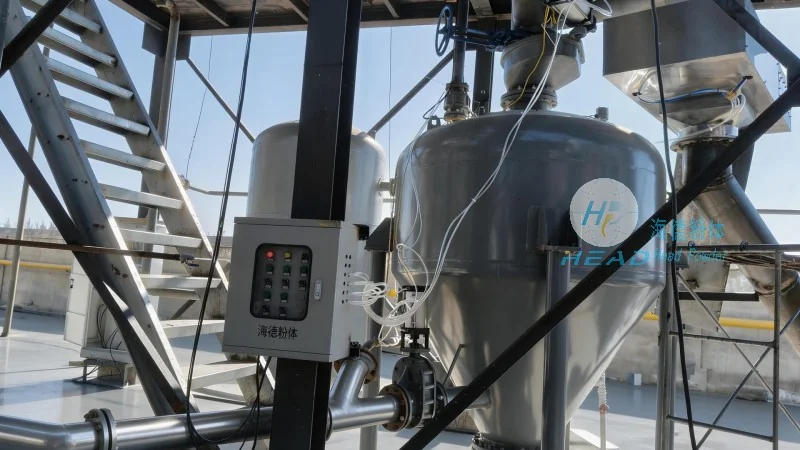
Dry sand material handling equipment finds wide application in various industries, including construction, where it is used for transporting sand to building sites, and mining, where it is used for handling sand from extraction sites. In manufacturing, these systems are employed in processes such as concrete production, where dry sand is a key ingredient. The benefits of using such equipment include improved operational efficiency, reduced labor costs, and enhanced safety by minimizing manual handling of materials. Additionally, the equipment's design ensures minimal material loss and contamination, maintaining the quality of the dry sand throughout the transport process.
Conclusion: The Importance of Proper Design and Manufacturing
In conclusion, dry sand material handling equipment plays a vital role in modern industrial operations, enabling the efficient and reliable transport of dry sand and similar materials. The design principles behind these systems are critical to their performance, focusing on factors such as clog prevention, consistent flow, and durability. Companies like Shandong HeadPowder Engineering Co., Ltd. (HeadPowder) play a crucial role in providing high-quality equipment that meets the specific needs of industries, ensuring optimal performance and longevity. By understanding the design principles and features of dry sand material handling equipment, industries can enhance their operational efficiency and achieve better results in their material handling processes.