

What is a Catalyst Powder Material Conveying Line? What Are Its Design Principles?
Catalyst powder material conveying lines are specialized systems engineered to handle the transport of catalyst powders, which are critical components in various industrial processes such as chemical reactions, refining, and environmental treatment. These lines are designed to ensure efficient, safe, and reliable movement of catalyst powders from storage to processing units, playing a vital role in maintaining the productivity and efficiency of industrial operations.
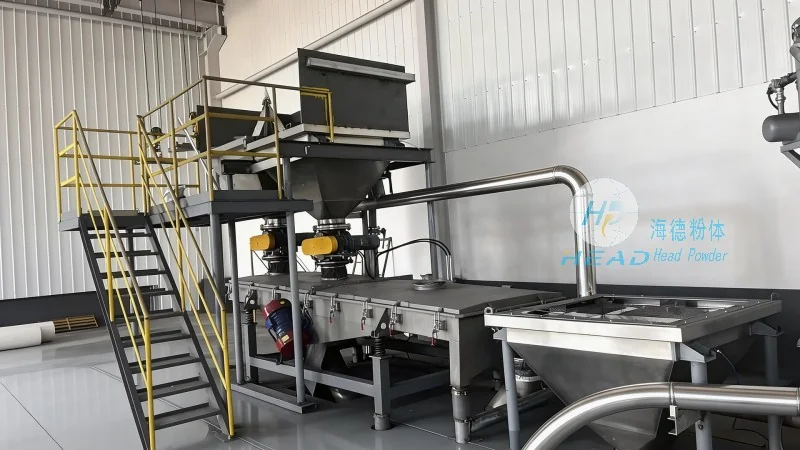
Understanding the Role of Catalyst Powder Conveying Systems
In industrial settings, catalyst powders are often used in large quantities and require precise handling to prevent contamination, degradation, or loss. A catalyst powder material conveying line addresses these challenges by integrating various components like hoppers, feeders, conveyors, and control systems. The primary goal is to maintain the integrity of the catalyst powder while ensuring smooth and continuous operation. This system is essential for industries that rely on catalysts to accelerate chemical reactions, as any disruption in the conveying process can lead to reduced efficiency or even process failures.
Design Principles of Catalyst Powder Conveying Lines
The design of a catalyst powder conveying line is based on several key principles that ensure optimal performance and safety. First, the system must be constructed from materials that are compatible with the catalyst powders being handled, typically using corrosion-resistant metals or specialized plastics to prevent contamination. Second, the design incorporates dust control measures, as catalyst powders are often fine and can create airborne dust, which poses health and safety risks. This includes features like sealed hoppers, enclosed conveyors, and dust collection systems. Third, the conveying method is chosen based on the properties of the catalyst powder, such as particle size, flowability, and moisture content. Common conveying methods include pneumatic conveying (air or gas), mechanical conveying (e.g., screw conveyors, belt conveyors), and vacuum systems. The selection of the conveying method is critical to ensure efficient and low-loss transport. Fourth, the system is designed for easy maintenance and cleaning to prevent cross-contamination between different batches of catalyst powders. This includes features like quick-release components, easy-to-clean surfaces, and automated cleaning cycles. Finally, the control system is integrated to monitor and regulate the conveying process, ensuring consistent flow rates and preventing overloading or underloading of the system.
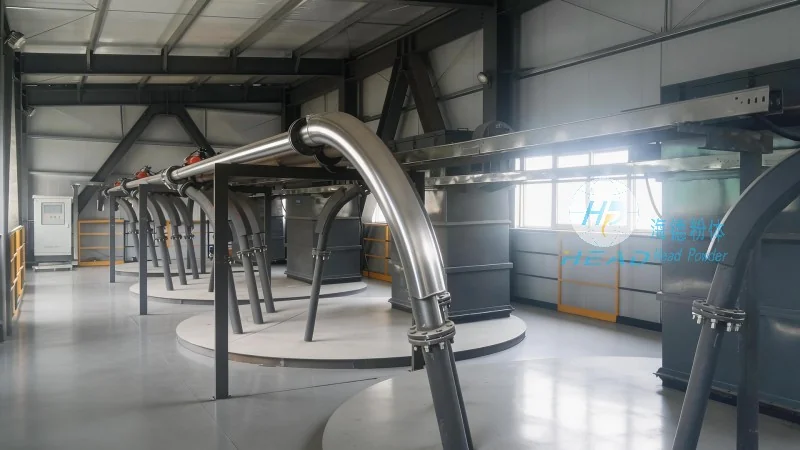
Components of a Typical Catalyst Powder Conveying Line
A typical catalyst powder material conveying line consists of several key components that work together to achieve efficient transport. The first component is the hopper, which serves as the storage container for the catalyst powder. The hopper is designed with a conical or rectangular shape to facilitate the flow of powder and prevent clogging. It is often equipped with a discharge valve or feeder to control the flow rate of the powder into the conveying system. The second component is the feeder, which is responsible for feeding the catalyst powder from the hopper into the conveyor. Feeders can be of various types, such as rotary valves, vibratory feeders, or screw feeders, depending on the characteristics of the powder. The third component is the conveyor itself, which transports the powder from the feeder to the processing unit. The conveyor can be a pneumatic system, where the powder is carried by a stream of air, or a mechanical system, such as a screw conveyor or a belt conveyor. The fourth component is the control system, which monitors and regulates the entire conveying process. This includes sensors to measure the flow rate, pressure, and temperature, as well as control valves and motors to adjust the operation of the system. The fifth component is the dust collection system, which captures any airborne dust generated during the conveying process and filters it before releasing it back into the environment. This system is essential for maintaining air quality and complying with environmental regulations.
Applications of Catalyst Powder Conveying Lines
Catalyst powder material conveying lines are used in a wide range of industrial applications where catalysts are essential. One of the most common applications is in the chemical industry, where catalysts are used to accelerate chemical reactions in processes such as polymerization, cracking, and hydrogenation. The conveying line ensures that the catalyst powder is delivered to the reactor in a controlled manner, maintaining the desired concentration and flow rate. Another application is in the petroleum industry, where catalysts are used in refining processes such as catalytic cracking and hydrodesulfurization. The conveying line is used to transport the catalyst powder from storage to the reactor units, ensuring that the refining process runs smoothly and efficiently. Additionally, catalyst powder conveying lines are used in the environmental industry, where catalysts are used in processes such as wastewater treatment and air pollution control. The conveying line ensures that the catalyst powder is delivered to the treatment units in a controlled manner, improving the efficiency of the treatment process. Finally, catalyst powder conveying lines are used in the pharmaceutical industry, where catalysts are used in the production of active pharmaceutical ingredients (APIs). The conveying line ensures that the catalyst powder is delivered to the production units in a controlled manner, maintaining the quality and purity of the final product.
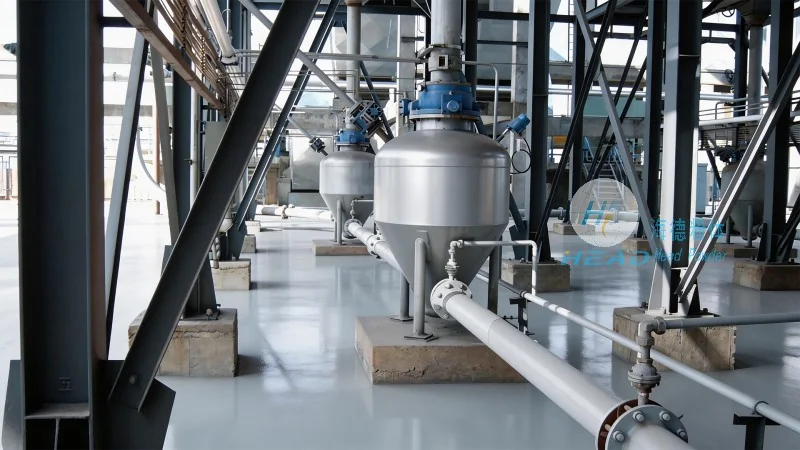
Benefits of Using a Catalyst Powder Conveying Line
There are several benefits to using a catalyst powder material conveying line in industrial operations. First, the system improves the efficiency of the conveying process by ensuring that the catalyst powder is transported in a controlled and continuous manner. This reduces the time and labor required to handle the powder, leading to increased productivity. Second, the system improves the safety of the operation by preventing the release of airborne dust and ensuring that the powder is handled in a sealed environment. This reduces the risk of health hazards and environmental contamination. Third, the system improves the quality of the catalyst powder by preventing contamination and degradation during the conveying process. This ensures that the catalyst powder maintains its effectiveness and performance. Fourth, the system reduces the cost of operation by minimizing the loss of catalyst powder and reducing the need for manual handling. This leads to lower operating costs and increased profitability. Finally, the system improves the reliability of the operation by providing a consistent and reliable supply of catalyst powder to the processing units. This ensures that the industrial process runs smoothly and without interruptions.
Conclusion
Catalyst powder material conveying lines are essential systems for industrial operations that rely on catalysts. These lines are designed to ensure efficient, safe, and reliable transport of catalyst powders, playing a vital role in maintaining the productivity and efficiency of industrial processes. The design of the system is based on several key principles, including material compatibility, dust control, and easy maintenance. The components of the system work together to achieve optimal performance, and the system is used in a wide range of industrial applications. The benefits of using a catalyst powder conveying line include improved efficiency, safety, quality, and cost-effectiveness. For industries that require the use of catalysts, investing in a high-quality catalyst powder conveying line is a critical step in ensuring the success and sustainability of their operations.