

What is a Distillers Grains Powder Pneumatic Conveying System? And What Are Its Design Principles?
Distillers grains are a byproduct of the ethanol production process, and their efficient handling is crucial for industrial operations. A pneumatic conveying system specifically designed for distillers grains powder offers a reliable and efficient method for transporting these materials. This article explores the concept of a distillers grains powder pneumatic conveying system and delves into its underlying design principles, highlighting the technical aspects that ensure optimal performance.
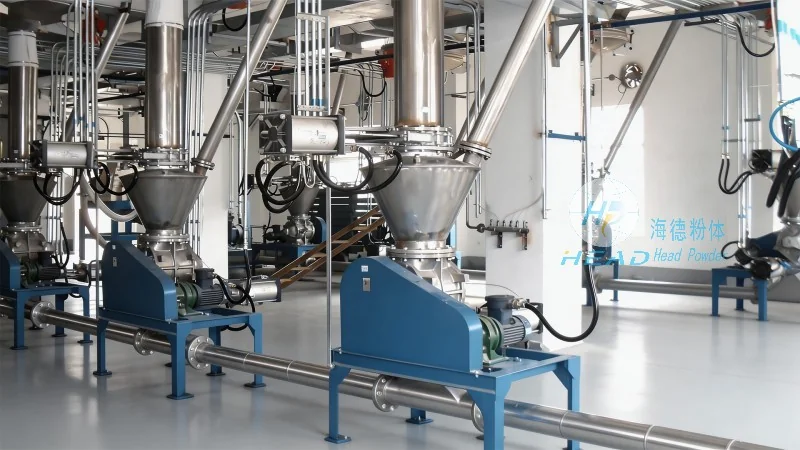
Understanding the Distillers Grains Powder Pneumatic Conveying System
The distillers grains powder pneumatic conveying system is a specialized equipment setup used to transport dry, fine powders like distillers grains from one location to another within an industrial facility. Unlike traditional mechanical conveying methods, which rely on belts or screws, pneumatic systems use air or other gases to move the material through a pipeline. This approach is particularly advantageous for handling delicate or abrasive powders, as it minimizes product degradation and reduces the risk of contamination.
Key Components of the System
At the core of a distillers grains powder pneumatic conveying system are several critical components that work in tandem to ensure efficient material transport. These components include the material feed hopper, the air compressor or blower, the conveying line (typically made of stainless steel or other corrosion-resistant materials), and the discharge outlet. The feed hopper is designed to store and meter the distillers grains powder, ensuring a consistent flow into the system. The air compressor or blower generates the necessary pressure or vacuum to move the material through the pipeline. The conveying line is engineered to withstand the pressure and abrasion from the powder, while the discharge outlet allows the material to be released at the desired destination.
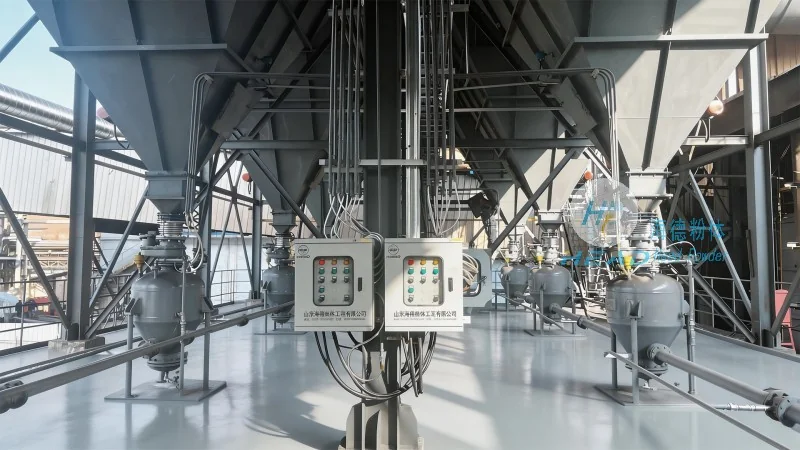
Design Principles for Optimal Performance
The design of a distillers grains powder pneumatic conveying system is governed by several key principles aimed at maximizing efficiency, minimizing energy consumption, and ensuring long-term reliability. One of the primary design considerations is the selection of the appropriate air velocity and pressure. The air velocity must be high enough to overcome the frictional resistance within the pipeline and lift the powder particles, but not so high as to cause excessive wear on the system components or degrade the material. The pressure or vacuum level is carefully calibrated to maintain a stable flow rate and prevent blockages or backflow.
Another critical design principle is the proper sizing of the conveying line and the air compressor. The diameter and length of the pipeline are determined based on the material's bulk density, particle size, and the required flow rate. The air compressor's capacity must be matched to the system's demand to avoid underperformance or excessive energy use. Additionally, the system incorporates features such as pulse-jetting or rotary valves to maintain consistent flow and prevent material buildup in the pipeline, which is essential for preventing clogs and ensuring smooth operation.
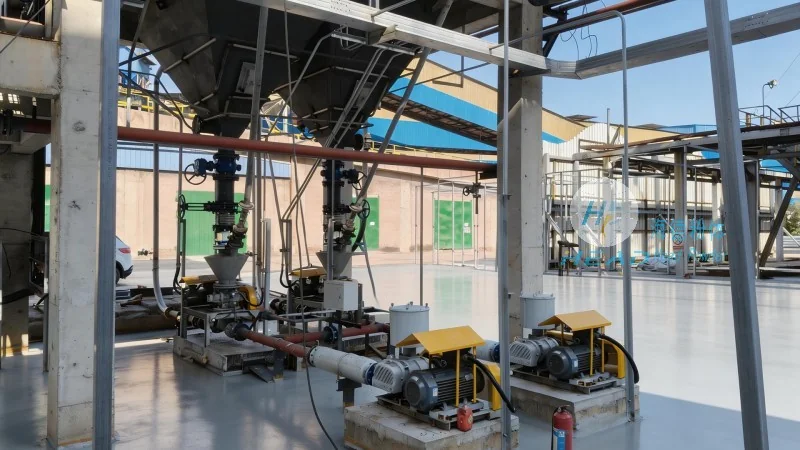
Advantages of Using a Pneumatic Conveying System for Distillers Grains
Implementing a pneumatic conveying system for distillers grains offers numerous advantages over traditional conveying methods. Firstly, it provides a dust-free and enclosed environment, which is crucial for maintaining product quality and preventing contamination. This is particularly important for distillers grains, which are often used in food and animal feed applications where purity is paramount. Secondly, pneumatic systems are highly flexible, allowing for easy reconfiguration of the conveying route without the need for extensive structural modifications. This flexibility is beneficial for facilities that may need to adjust their production processes or expand their operations.
Furthermore, pneumatic conveying systems are energy-efficient compared to other methods, as they can operate with lower power consumption while achieving high transport rates. The use of stainless steel or other corrosion-resistant materials in the pipeline also ensures durability and longevity, reducing maintenance costs over the system's lifespan. These advantages make pneumatic conveying an attractive option for industrial facilities handling distillers grains powder.
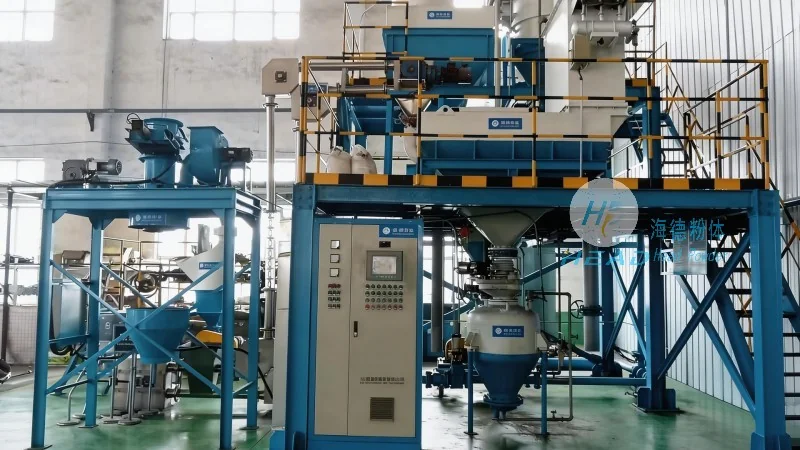
Application in Industrial Settings
The distillers grains powder pneumatic conveying system is widely used in various industrial settings, particularly in the food and beverage industry, as well as in animal feed production. In these applications, the system is used to transport distillers grains from storage silos to processing units, such as mixers or extruders. The enclosed and dust-free nature of the system ensures that the product remains clean and free from contaminants, which is essential for meeting regulatory standards and maintaining product quality. Additionally, the system's ability to handle large volumes of material efficiently supports high production throughput, making it a vital component in modern industrial operations.
Conclusion
A distillers grains powder pneumatic conveying system is a sophisticated and efficient solution for transporting dry, fine powders in industrial settings. By understanding the key components and design principles, as well as the advantages it offers, industrial facilities can make informed decisions about implementing such a system. The system's ability to maintain product quality, ensure operational flexibility, and reduce energy consumption makes it a valuable asset for facilities handling distillers grains. As a leading provider in this field, Shandong HeadPowder Engineering Co., Ltd. specializes in designing and manufacturing customized pneumatic conveying systems tailored to the specific needs of industrial clients, ensuring optimal performance and reliability.