

What is a Copper Sulfate Powder Pneumatic Conveying System? What Are Its Design Principles?
Copper sulfate is a widely used chemical compound in various industrial applications, and the efficient handling of its powder form is crucial for many processes. A copper sulfate powder pneumatic conveying system is a specialized equipment solution designed to transport this material from one location to another using air or gas as the conveying medium. This system is essential for industries that rely on copper sulfate, such as mining, agriculture, and chemical manufacturing, where reliable and safe material transport is a priority.
Understanding the Copper Sulfate Powder Pneumatic Conveying System
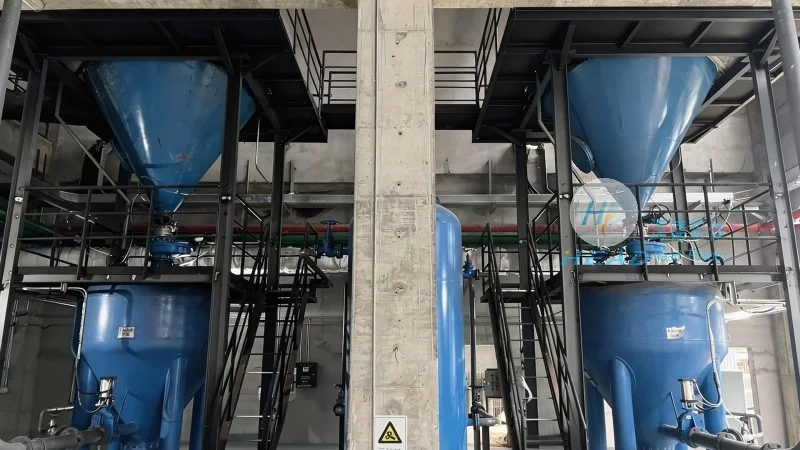
At the core of a copper sulfate powder pneumatic conveying system is the ability to move dry powder materials through a pipeline using compressed air or other gases. This method, known as pneumatic conveying, offers several advantages over traditional mechanical conveying systems, including reduced equipment wear, lower maintenance costs, and the ability to handle materials that are difficult to transport via other means. The system typically consists of several key components, including a hopper for material storage, a feeder to control the flow rate, a conveying line, and a receiver for the material at the destination. The entire system is designed to ensure efficient and safe transport of copper sulfate powder, minimizing dust generation and preventing material degradation.
Key Components of the System
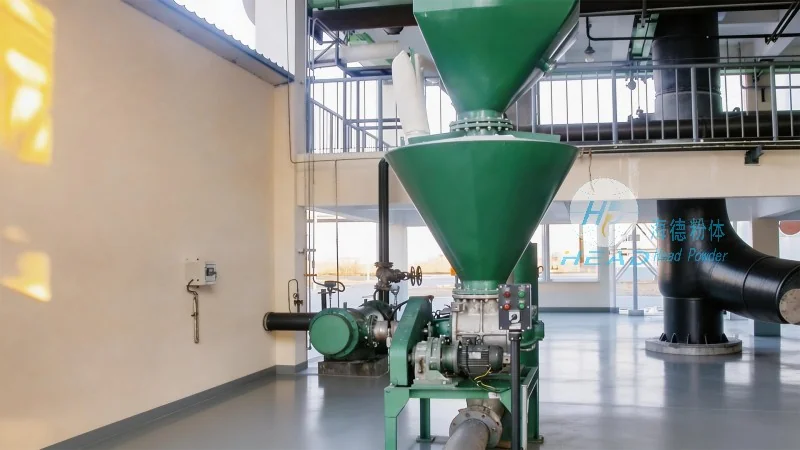
The design of a copper sulfate powder pneumatic conveying system involves careful consideration of each component to ensure optimal performance. The hopper is responsible for storing the copper sulfate powder and providing a consistent feed to the system. It is often equipped with a discharge valve to regulate the material flow. The feeder, which can be a rotary valve or a screw feeder, controls the amount of powder entering the conveying line, preventing overloading and ensuring a steady flow. The conveying line is made of materials that are resistant to corrosion and wear, as copper sulfate can be abrasive and may cause chemical reactions with certain metals. The receiver, typically a storage tank or a processing vessel, collects the material at the end of the pipeline. Additionally, the system may include a filter or a dust collector to capture any particles that escape during the conveying process, ensuring environmental compliance and worker safety.
Design Principles and Operational Considerations
The design principles of a copper sulfate powder pneumatic conveying system are centered on maximizing efficiency while maintaining safety and reliability. One of the primary design considerations is the velocity of the air or gas in the conveying line. The velocity must be high enough to keep the powder particles suspended in the air stream but not so high as to cause excessive pressure drop or wear on the system components. The system's design also takes into account the particle size and density of the copper sulfate powder, as these factors affect the required air velocity and pressure. For copper sulfate, which is often in a fine powder form, the system may use a high-velocity, low-pressure conveying method to minimize energy consumption and prevent particle degradation. Another important consideration is the system's pressure drop, which is the difference in pressure between the inlet and outlet of the conveying line. Proper design minimizes pressure drop to reduce energy costs and prevent the need for excessive air pressure, which could lead to system failure or material spillage.
Advantages of Using a Copper Sulfate Powder Pneumatic Conveying System
Implementing a copper sulfate powder pneumatic conveying system offers numerous benefits for industrial operations. One of the most significant advantages is the reduction in labor costs associated with manual handling of the powder. The system automates the transport process, allowing for continuous operation and minimizing the risk of human error. Additionally, pneumatic conveying systems are more hygienic and cleaner than traditional methods, as they do not involve direct contact with the material, reducing the risk of contamination and cross-contamination. The system also provides better control over the material flow, ensuring consistent delivery to the processing equipment. This consistency is crucial for maintaining product quality and process efficiency. Furthermore, the system can be easily integrated with other industrial equipment, such as mixers, reactors, or packaging machines, creating a seamless production line. The compact design of the system also saves space in industrial facilities, making it suitable for both large and small-scale operations.
Applications and Industries That Benefit from This System
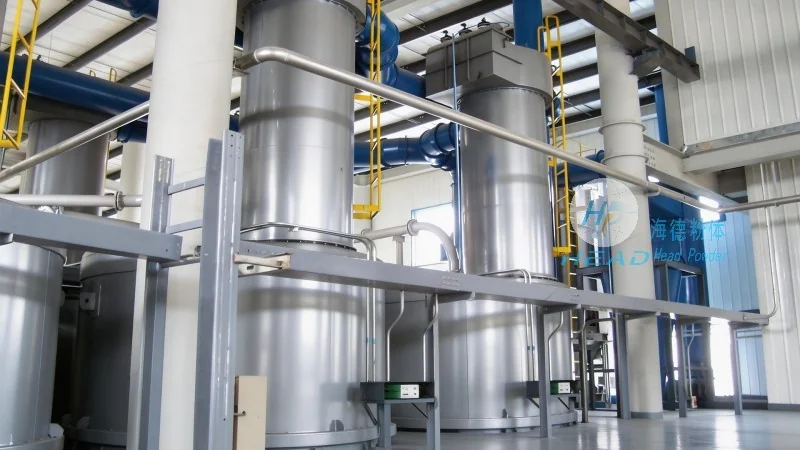
The copper sulfate powder pneumatic conveying system is widely used in various industries due to its versatility and efficiency. In the mining industry, it is used to transport copper sulfate from storage facilities to processing plants, where it is used as a flotation agent in the extraction of copper from ore. In agriculture, the system is employed to distribute copper sulfate as a fungicide or fertilizer, ensuring even application across large areas. The chemical manufacturing industry also relies on this system to transport copper sulfate to production lines, where it is used in the synthesis of other chemicals or as a catalyst. Additionally, the pharmaceutical industry may use the system to transport copper sulfate for use in medicinal formulations, requiring strict control over the material's purity and consistency. The system's ability to handle fine powders and maintain product quality makes it an ideal solution for these applications.
Conclusion
A copper sulfate powder pneumatic conveying system is a critical piece of equipment for industries that rely on the efficient and safe transport of this chemical compound. The system's design, based on pneumatic conveying principles, offers numerous advantages over traditional methods, including reduced labor costs, improved hygiene, and better control over material flow. By carefully selecting and maintaining the system components, such as the hopper, feeder, conveying line, and receiver, industries can ensure reliable operation and maximize the benefits of using this technology. The system's versatility and adaptability make it suitable for a wide range of applications, from mining and agriculture to chemical and pharmaceutical manufacturing. As a result, the copper sulfate powder pneumatic conveying system remains a valuable investment for companies seeking to enhance their material handling processes and improve overall operational efficiency.