

What is Epoxy Resin Powder Pneumatic Conveying Equipment? And What Are Its Design Principles?
HeadPowder, a leading manufacturer based in Shandong, China, specializes in providing advanced solutions for material handling, particularly in the field of epoxy resin powder pneumatic conveying systems. This article aims to explore the fundamental aspects of such equipment, including its design principles and operational capabilities.
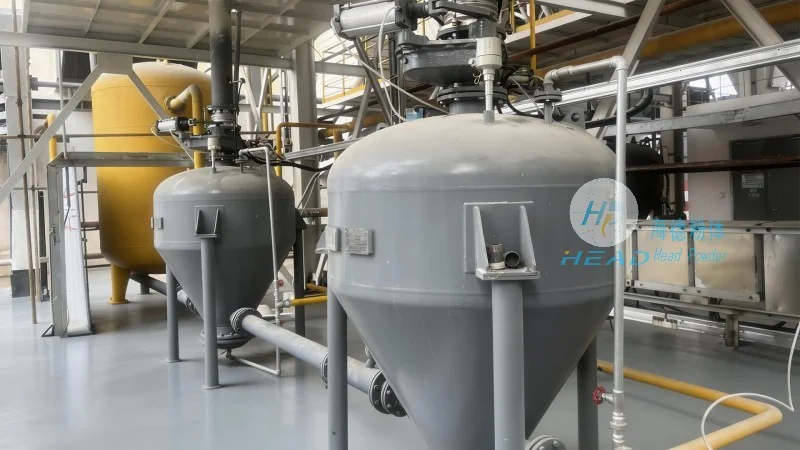
Introduction to Epoxy Resin Powder Pneumatic Conveying Equipment
Epoxy resin powder pneumatic conveying equipment is a specialized system designed to transport epoxy resin powders through a pipeline using air or gas as the conveying medium. This technology offers a dust-free, efficient, and flexible method for handling fine powders, which is crucial in industries where traditional bulk handling methods may pose challenges due to the nature of the material. The equipment is engineered to ensure minimal product degradation, consistent flow rates, and reliable operation, making it an essential component in manufacturing processes that rely on epoxy resin powders.
Key Components of the Pneumatic Conveying System
The pneumatic conveying system for epoxy resin powders typically consists of several critical components that work in tandem to achieve effective material transport. The primary components include the material feeder, which is responsible for introducing the epoxy resin powder into the system at a controlled rate. This feeder may be a rotary valve, a star feeder, or a pressure feeder, depending on the specific requirements of the application. The feeder ensures a consistent feed, preventing blockages and maintaining stable flow.
Next, the conveying pipeline connects the feeder to the receiving equipment. The pipeline is usually made of materials like stainless steel or PVC, chosen for their resistance to corrosion and wear, which is important when handling epoxy resin powders that may be abrasive or chemically reactive. The design of the pipeline, including the diameter and length, is critical as it directly impacts the pressure drop and overall system efficiency. The pipeline may also include bends, elbows, and expansion joints to accommodate changes in direction and accommodate thermal expansion.
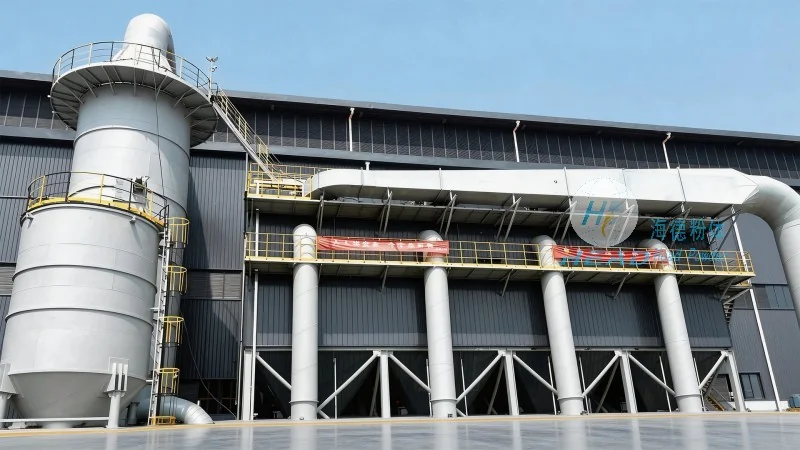
The conveying system also incorporates a separation and collection unit, often referred to as a cyclone or a baghouse, which separates the epoxy resin powder from the air stream. This unit is essential for recovering the product and ensuring that the air is filtered before being released back into the environment. The design of the separator is tailored to the particle size and density of the epoxy resin powder, ensuring high efficiency in particle recovery.
Design Principles and Operational Considerations
The design of epoxy resin powder pneumatic conveying equipment is governed by several key principles that ensure optimal performance and reliability. One of the primary considerations is the selection of the conveying method, which can be either positive pressure or negative pressure. Positive pressure systems use a blower or compressor to push the air and powder mixture through the pipeline, while negative pressure systems use a vacuum to draw the material into the system. The choice between these methods depends on factors such as the distance to be covered, the volume of material to be transported, and the need to minimize air leakage.
Another critical design aspect is the calculation of pressure drop. The pressure drop in the pipeline is a function of the pipeline diameter, length, material properties, and the velocity of the air. Engineers must accurately calculate the pressure drop to ensure that the system has sufficient pressure to overcome friction losses and maintain the desired flow rate. This involves considering the Reynolds number, which indicates the flow regime (laminar or turbulent), and using appropriate formulas to determine the friction factor and subsequent pressure drop.
Material properties play a significant role in the design of the system. Epoxy resin powders can vary in particle size, density, and moisture content, all of which affect the conveying characteristics. For example, finer particles may require higher air velocities to prevent settling or bridging in the pipeline, while coarser particles may be more susceptible to abrasion, necessitating the use of wear-resistant materials for the pipeline and components. The design must also account for the potential for agglomeration or caking, which can lead to blockages and system failures.
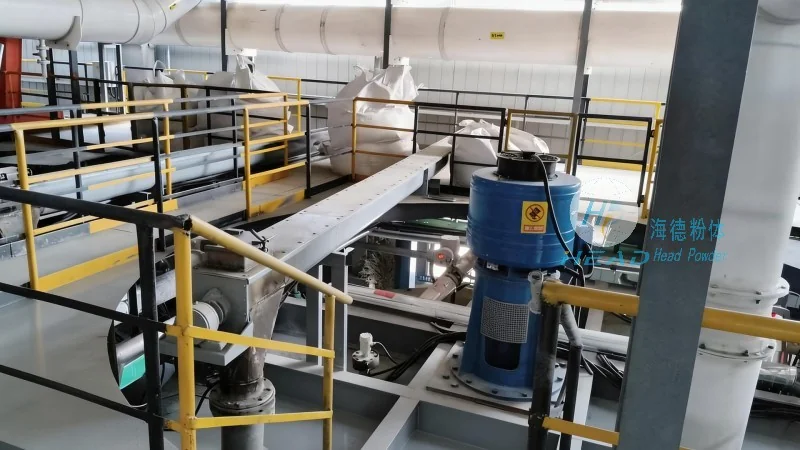
Advantages and Applications of Epoxy Resin Powder Pneumatic Conveying Equipment
The use of pneumatic conveying equipment for epoxy resin powders offers several advantages over traditional methods. One of the most significant benefits is the elimination of dust and the creation of a clean working environment. This is particularly important in industries where epoxy resin powders are used in food, pharmaceutical, or electronic applications, where contamination must be strictly controlled. The system also provides a high degree of flexibility, allowing for changes in the flow rate or direction of the material without the need for extensive modifications to the infrastructure.
Epoxy resin powder pneumatic conveying equipment is widely used in various applications, including the manufacturing of coatings, adhesives, and composites. In these industries, the equipment is used to transport epoxy resin powders from storage silos to mixing stations or production lines. The consistent and controlled flow of the material ensures that the final products have uniform properties, which is critical for meeting quality standards. Additionally, the system can be integrated with other processing equipment, such as mixers and reactors, to form a complete production line.
Conclusion
In conclusion, epoxy resin powder pneumatic conveying equipment is a sophisticated and essential technology for handling fine powders in various industrial applications. The design principles, which include careful consideration of material properties, system components, and operational parameters, ensure that the equipment operates efficiently and reliably. HeadPowder, with its expertise in material handling solutions, provides high-quality pneumatic conveying systems that meet the specific needs of clients, contributing to improved productivity and product quality in the epoxy resin industry.