

What is a Silica Sand Powder Pneumatic Conveying System? And What Are Its Design Principles?
For industrial applications involving the transport of silica sand powder, understanding the technology behind pneumatic conveying systems is crucial. A silica sand powder pneumatic conveying system is a specialized equipment setup designed to move dry powder materials, such as silica sand, through a pipeline using compressed air or other gas streams. This method offers advantages over traditional mechanical conveying systems, including reduced equipment wear, lower maintenance requirements, and the ability to handle materials in a dust-free environment.
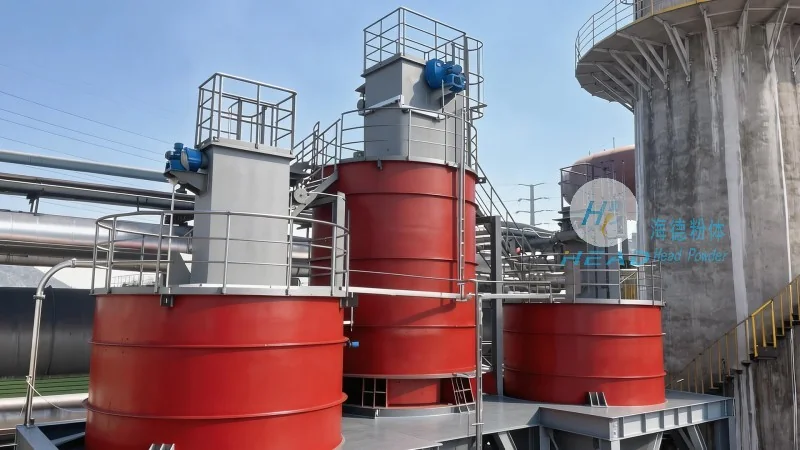
Understanding the Core Components of a Silica Sand Powder Pneumatic Conveying System
The operation of a silica sand powder pneumatic conveying system relies on several key components that work in concert to achieve efficient material transport. The primary components typically include a material hopper or feeder, a compressor or air supply unit, a pipeline system, and a receiver or discharge unit. The material hopper is responsible for storing and feeding the silica sand powder into the system. It often features a design that minimizes material bridging or caking, ensuring a consistent flow of material. The feeder may be a rotary valve or a screw feeder, which regulates the amount of powder entering the pipeline. The compressor or air supply unit generates the necessary pressure and flow of air to move the powder particles through the pipeline. The pipeline itself is usually made of materials like stainless steel or PVC, chosen for their resistance to corrosion and wear from the abrasive silica sand particles. The receiver or discharge unit collects the conveyed powder at the destination point, often equipped with a dust collection system to maintain a clean and safe working environment.
Design Principles for Efficient Silica Sand Powder Pneumatic Conveying
The design of a silica sand powder pneumatic conveying system is guided by several fundamental principles to ensure optimal performance and reliability. One of the most critical principles is the selection of the appropriate air velocity and pressure. The air velocity must be high enough to keep the powder particles suspended in the air stream, preventing them from settling or sticking to the pipeline walls. This is often referred to as the "minimum conveying velocity," which varies depending on the particle size, density, and shape of the silica sand. The pressure level is determined by the system's layout, including the vertical and horizontal distances the powder needs to travel, as well as any obstacles or bends in the pipeline. Proper design also considers the material's flow properties, such as its angle of repose and cohesive forces, to prevent blockages or uneven flow. The system's layout, including the number and placement of bends, expansions, and contractions, is carefully planned to minimize pressure losses and maintain consistent flow. Additionally, the use of appropriate fittings, such as elbows, tees, and reducers, is essential to ensure smooth material transport and prevent particle accumulation or damage.
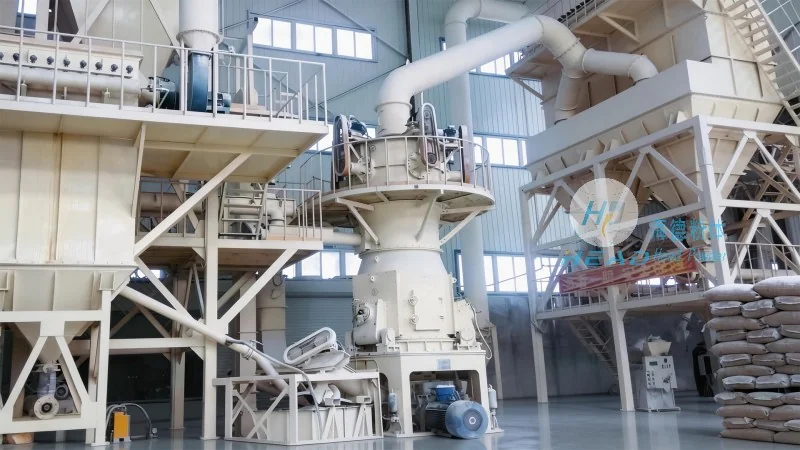
Applications and Benefits of Silica Sand Powder Pneumatic Conveying Systems
Silica sand powder pneumatic conveying systems are widely used in various industrial sectors, including construction, foundries, and chemical processing. In the construction industry, they are used to transport silica sand for concrete production, ensuring a consistent and dust-free supply of raw material. In foundries, the system helps move silica sand for mold making, improving the quality and efficiency of the casting process. The benefits of using pneumatic conveying systems for silica sand powder include improved safety by eliminating manual handling of dusty materials, reduced product contamination due to enclosed systems, and increased operational efficiency through automated material transport. Additionally, these systems can handle large volumes of material over long distances, making them suitable for large-scale industrial operations. The design flexibility of pneumatic conveying systems allows them to be adapted to various process requirements, from small-scale laboratory applications to large industrial plants.
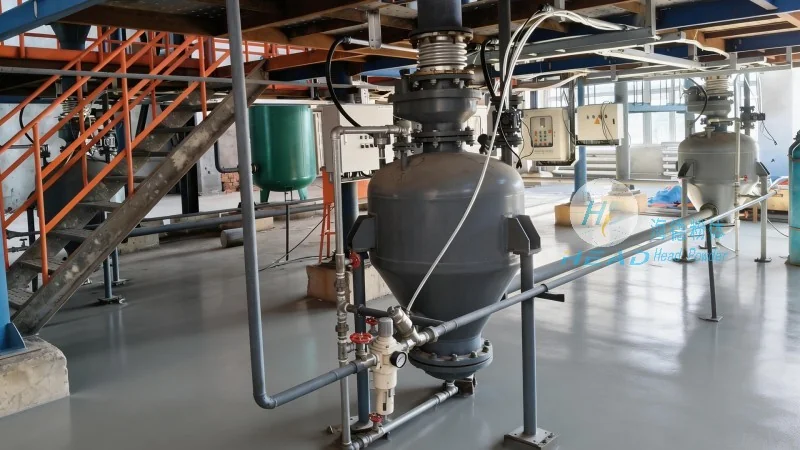
Key Considerations for Implementing a Silica Sand Powder Pneumatic Conveying System
When implementing a silica sand powder pneumatic conveying system, several factors must be considered to ensure successful operation and longevity. First, the material properties of the silica sand, such as particle size distribution, density, and moisture content, must be thoroughly analyzed. These properties directly impact the system's design, including the required air velocity and pressure. Second, the system's layout and dimensions must be carefully planned to minimize pressure losses and ensure efficient material transport. This includes selecting the appropriate pipeline diameter and length, as well as the number and type of bends and fittings. Third, the selection of equipment components, such as the compressor, feeder, and receiver, must be based on the specific application requirements. For example, a high-pressure system may be needed for long-distance transport, while a low-pressure system may suffice for short distances. Fourth, regular maintenance and monitoring of the system are essential to prevent issues such as clogging, wear, or air leaks. This includes periodic cleaning of the pipeline and components, checking for wear on moving parts, and monitoring air pressure and flow rates. By addressing these considerations, industrial facilities can ensure the reliable and efficient operation of their silica sand powder pneumatic conveying systems.
Conclusion: The Role of Silica Sand Powder Pneumatic Conveying Systems in Modern Industry
In conclusion, silica sand powder pneumatic conveying systems are essential equipment for efficiently and safely transporting dry powder materials in industrial applications. The design principles and components of these systems are carefully engineered to handle the unique properties of silica sand, ensuring consistent and reliable material transport. The benefits of using pneumatic conveying systems, including improved safety, reduced contamination, and increased efficiency, make them a preferred choice for many industries. As industrial processes continue to evolve, the demand for advanced material handling solutions like pneumatic conveying systems will likely increase. Companies specializing in the design and manufacturing of such systems, such as Shandong HeadPowder Engineering Co., Ltd., play a crucial role in providing tailored solutions that meet the specific needs of their clients. By understanding the design principles and benefits of silica sand powder pneumatic conveying systems, industrial facilities can optimize their operations and enhance their overall productivity.