

Working Principle and Features of Kaolin Pneumatic Conveying Equipment
High-quality kaolin is a critical raw material across industries such as ceramics, paper, and coatings. The efficient and reliable transportation of kaolin powder is essential for maintaining production efficiency and product quality. Pneumatic conveying equipment, specifically engineered for kaolin, offers a dust-free, low-cost, and flexible material handling solution. This article explores the working principle and key features of such equipment, highlighting how it meets modern industrial demands.
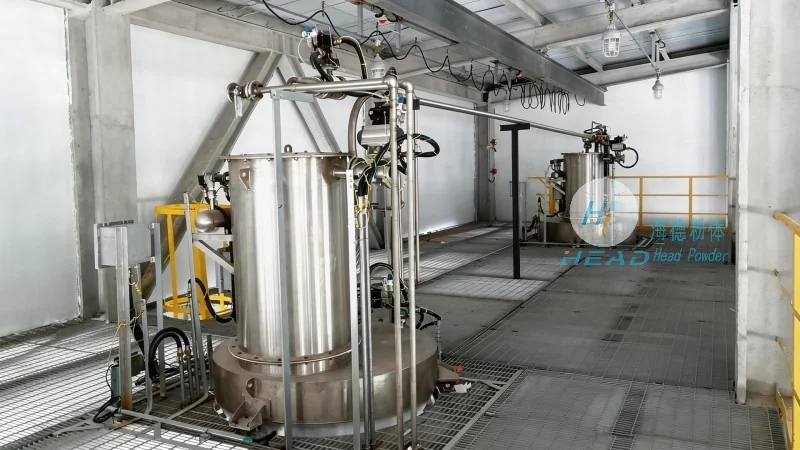
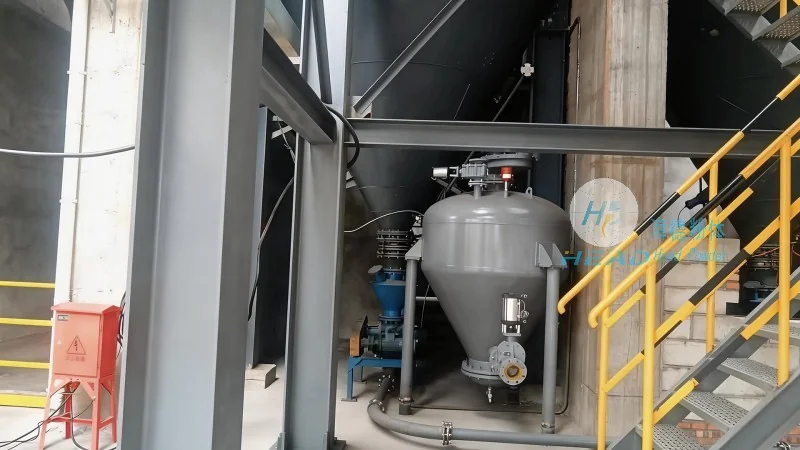
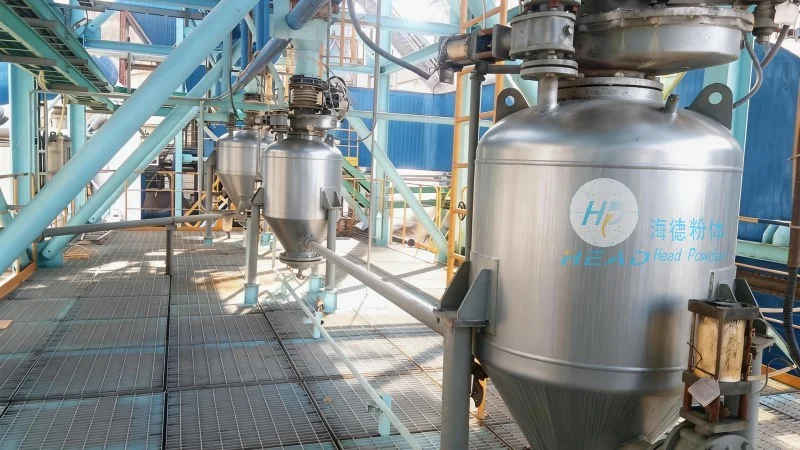
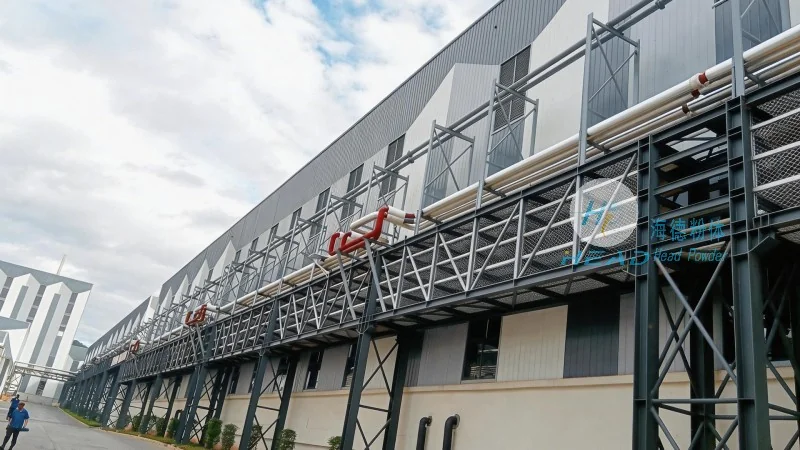
Working Principle of Kaolin Pneumatic Conveying Equipment
The core of kaolin pneumatic conveying equipment relies on air as the conveying medium. The system typically includes a hopper, rotary valve, conveyor pipe, pressure vessel/receiver, and dust collector. The process starts with kaolin powder fed from a storage silo into the hopper. A rotary valve controls material discharge into the conveyor pipe. Compressed air is introduced, creating a high-velocity air stream that entrains the kaolin particles. This air-particle mixture travels to the receiver, where air is separated and filtered, while the powder is collected for further processing. The system operates under pressure differential, with air flow maintaining material suspension and preventing blockages or agglomeration.
Key Features of Kaolin Pneumatic Conveying Equipment
Several distinct features make this equipment ideal for kaolin handling. Firstly, it offers high energy efficiency and low operational costs, eliminating mechanical components like belts or chains to reduce maintenance and downtime. Secondly, it provides excellent dust control, with enclosed systems and filtered air minimizing health and environmental risks from fine kaolin powder. Thirdly, the system offers layout flexibility, with conveyor pipes adaptable to horizontal, vertical, or inclined transport to suit facility constraints. Additionally, it handles diverse kaolin particle sizes and moisture levels, ensuring versatility. Finally, the equipment is built for durability, using abrasion-resistant materials for long-term performance and minimal wear.