

Working Principle and Features of Chromium(III) Oxide Pneumatic Conveying Equipment
Chromium(III) oxide, also known as chromic oxide, is a critical material in various industrial applications, including pigments, catalysts, and coatings. The efficient and safe transportation of this powder is essential for maintaining product quality and operational efficiency. This article explores the working principle and key features of pneumatic conveying equipment designed for handling chromium(III) oxide, highlighting the technology's benefits and the expertise of Shandong HeadPowder Engineering Co., Ltd. in this field.
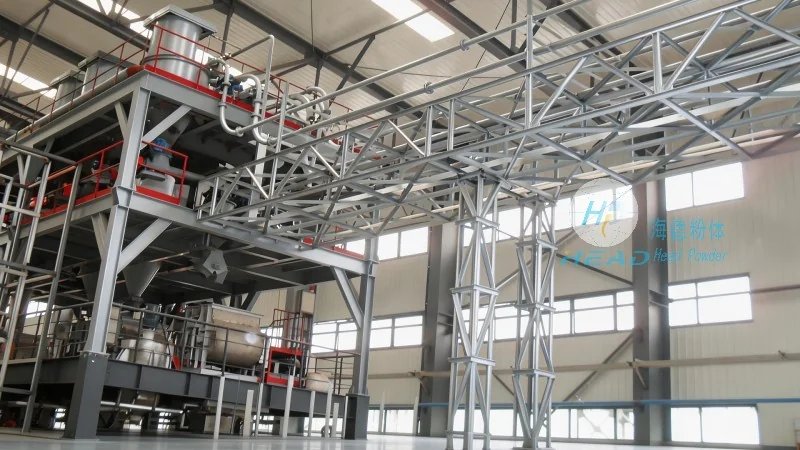
Understanding Pneumatic Conveying Technology for Chromium(III) Oxide
Pneumatic conveying systems utilize air or other gases to transport bulk materials like chromium(III) oxide through a pipeline network. The core working principle involves creating a pressure differential to move the material from the source to the destination. There are two primary types of pneumatic conveying: pressure and vacuum systems. Pressure systems use compressed air to push the material, while vacuum systems create a negative pressure to draw the material. For chromium(III) oxide, which is a fine powder with potential health hazards if not handled properly, a well-designed system ensures minimal dust generation and consistent flow rates.
Key Working Principles of Chromium(III) Oxide Pneumatic Conveying Equipment
The operation of chromium(III) oxide pneumatic conveying equipment begins with the material being fed into a hopper or feeder. The feeder controls the flow rate to maintain a stable pressure in the system. Compressed air is then introduced into the conveying line, creating a flow that carries the powder particles. The velocity of the air must be sufficient to overcome the gravitational force and friction within the pipeline, ensuring the material is transported without clogging or degradation. The system typically includes components such as airlocks, cyclones for separation, and filters to prevent dust from escaping into the environment. These components work in tandem to ensure the safe and efficient movement of chromium(III) oxide from the source to the processing or storage area.
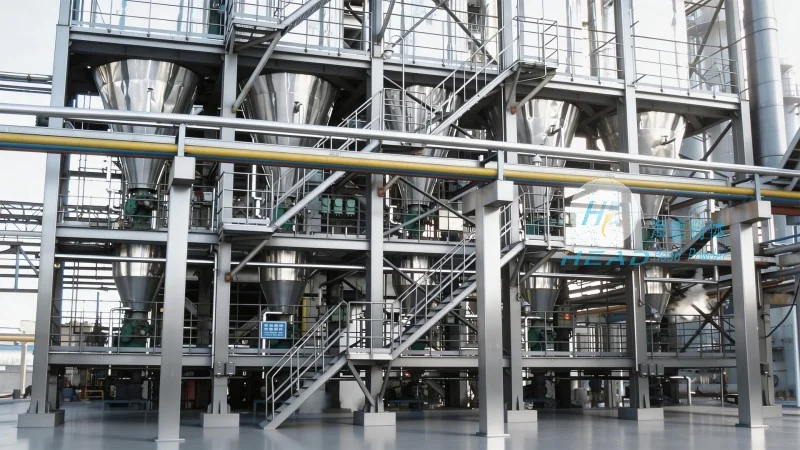
Advantages and Features of Advanced Pneumatic Conveying Systems
Modern pneumatic conveying equipment for chromium(III) oxide offers several advantages over traditional methods like bucket elevators or belt conveyors. One of the primary benefits is the ability to handle fine powders without the need for mechanical contact, reducing the risk of product contamination and equipment wear. The systems are also highly flexible, allowing for changes in material flow rates and destinations without extensive modifications. Additionally, pneumatic conveying can be integrated with other processing equipment, such as mixers or reactors, to create a seamless production line. The features of these systems include adjustable air pressure and flow rates, which can be tailored to the specific characteristics of chromium(III) oxide, ensuring optimal performance. Another key feature is the ability to handle varying particle sizes and moisture content, making the equipment versatile for different applications. The use of high-quality materials and components in the construction of the conveying lines and components ensures durability and long-term reliability, minimizing maintenance requirements and downtime.
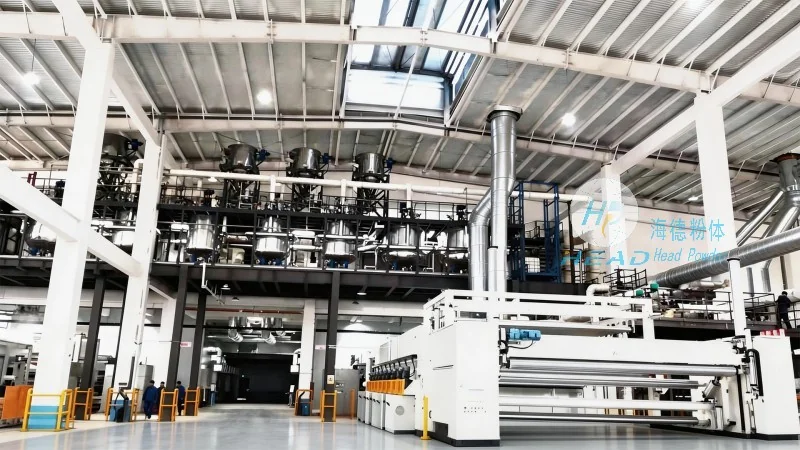
Expertise of Shandong HeadPowder Engineering Co., Ltd. in Pneumatic Conveying Solutions
Shandong HeadPowder Engineering Co., Ltd., a leading manufacturer of pneumatic conveying equipment, specializes in providing customized solutions for handling chromium(III) oxide and other fine powders. With years of experience in the industry, the company has developed advanced systems that meet the stringent requirements of the chemical and manufacturing sectors. The company's engineers work closely with clients to understand their specific needs, from material properties to operational constraints, and design systems that maximize efficiency and safety. The equipment manufactured by HeadPowder is equipped with state-of-the-art controls and monitoring systems, allowing for real-time tracking of flow rates, pressure, and temperature. This enables operators to quickly identify and address any issues, ensuring continuous and reliable operation. The company also provides comprehensive after-sales support, including maintenance services and technical assistance, to ensure the longevity and optimal performance of the conveying systems. With a focus on innovation and quality, Shandong HeadPowder Engineering Co., Ltd. is committed to delivering solutions that enhance productivity and safety in the handling of chromium(III) oxide.
Conclusion: The Importance of Reliable Pneumatic Conveying for Chromium(III) Oxide
In conclusion, pneumatic conveying equipment is a vital technology for the efficient and safe transportation of chromium(III) oxide. The working principles and features of these systems, as exemplified by the solutions from Shandong HeadPowder Engineering Co., Ltd., offer significant advantages in terms of product quality, operational flexibility, and safety. By understanding the key components and benefits of pneumatic conveying, industries can optimize their processes and ensure the consistent handling of this critical material. As technology continues to advance, the development of more efficient and sustainable conveying systems will further enhance the handling of chromium(III) oxide, supporting the growth and development of various industrial applications.