

Working Principle and Features of Fine Powder Pneumatic Conveying Systems
When it comes to efficiently transporting fine powders, pneumatic conveying systems offer a reliable and effective solution. These systems are widely used in various industries, including chemical, pharmaceutical, food processing, and more. Understanding the working principle and key features of such systems is crucial for selecting the right equipment for specific applications.
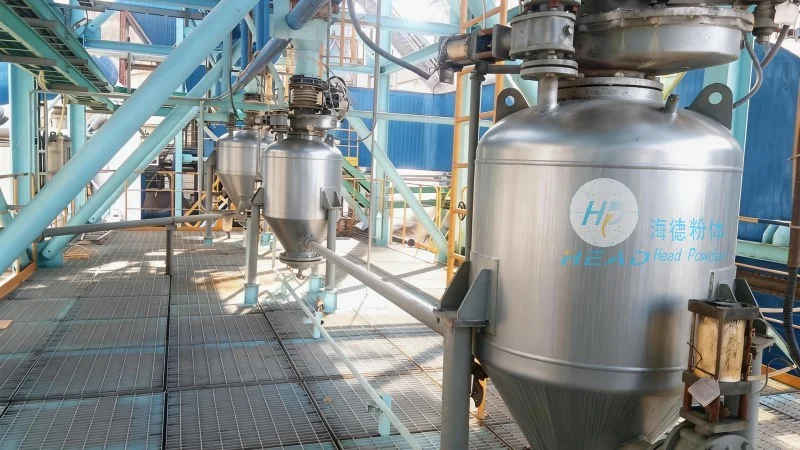
Working Principle of Fine Powder Pneumatic Conveying Lines
At the core of fine powder pneumatic conveying is the use of air or other gases to transport particulate materials. The process typically involves a few key components: a hopper to store the material, a conveying line (often a pipe), a fan or blower to generate the airflow, and a receiver to collect the material at the destination. The material is introduced into the conveying line, and the airflow carries the particles through the system. The velocity and pressure of the air are carefully controlled to ensure efficient transport without causing material degradation or excessive wear on the equipment.
Key Features of Fine Powder Pneumatic Conveying Systems
There are several notable features that make fine powder pneumatic conveying systems advantageous for many applications. First, they provide a closed system, which helps to contain dust and prevent contamination, a critical factor in industries like pharmaceuticals and food processing. Second, these systems are generally compact and can be installed in a variety of layouts, including vertical and horizontal configurations, to fit different space constraints. Third, they offer high transport efficiency, capable of moving large volumes of material over considerable distances with minimal energy consumption compared to other methods like mechanical conveying. Additionally, the systems are relatively easy to maintain and can be equipped with various control options to adjust flow rates and pressure as needed.
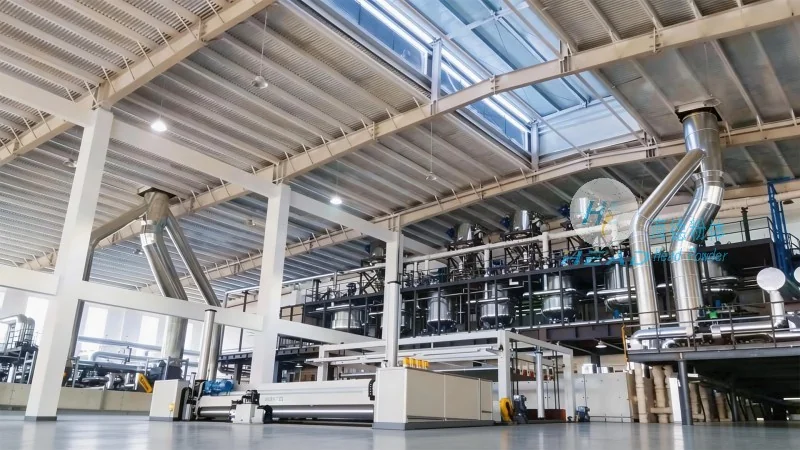
Applications and Industries
Fine powder pneumatic conveying systems are versatile and find applications across multiple sectors. In the chemical industry, they are used for transporting powders like pigments, catalysts, and reagents. The pharmaceutical industry relies on them for handling active pharmaceutical ingredients (APIs) and other sensitive powders, ensuring strict contamination control. Food processing industries use these systems for transporting ingredients like flour, sugar, and spices, maintaining hygiene standards. Even in the agricultural sector, they can be used for handling fine grains and other agricultural products.
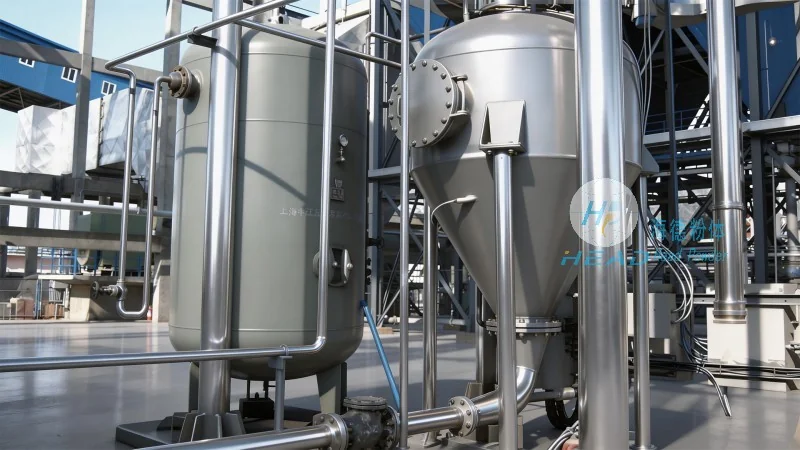
Advantages and Considerations
While fine powder pneumatic conveying offers numerous benefits, there are also considerations to keep in mind. One of the main advantages is the ability to handle abrasive materials without causing significant wear, as the material is suspended in the air rather than sliding against surfaces. However, the system's performance can be affected by the properties of the powder, such as particle size, density, and moisture content. Proper system design and material selection are essential to ensure optimal performance and longevity. Additionally, the initial investment and energy costs should be considered, as these systems require a consistent air supply and may need regular maintenance to keep them operating efficiently.
Conclusion
Fine powder pneumatic conveying systems are an essential technology for the efficient and safe transport of fine powders across various industries. By understanding the working principle and key features, businesses can select the appropriate system to meet their specific needs, ensuring reliable material handling while maintaining quality and safety standards. As a leading provider in this field, Shandong HeadPowder Engineering Co., Ltd. specializes in designing and manufacturing high-quality pneumatic conveying solutions tailored to the unique requirements of each application.