

Working Principle and Features of Soybean Meal Pneumatic Conveying Systems
As a specialized equipment for transporting bulk materials, soybean meal pneumatic conveying lines are widely used in the food processing and agricultural industries. These systems efficiently handle soybean meal, a key ingredient in animal feed and various food products, ensuring smooth and reliable material transfer from storage to processing or packaging areas. The following sections will explore the working principle and key features of such systems, highlighting their operational efficiency and technological advancements.
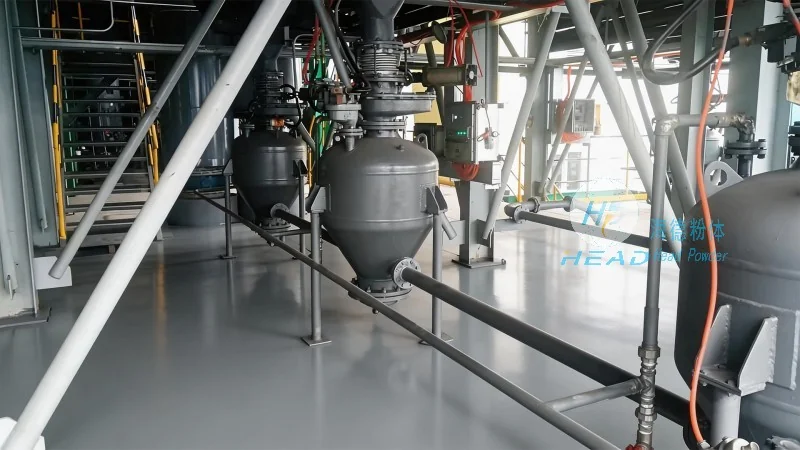
Working Principle of Soybean Meal Pneumatic Conveying Lines
The core mechanism of a soybean meal pneumatic conveying line involves the use of air pressure to move bulk materials through a network of pipes. The system typically consists of a hopper for material storage, a blower or air compressor to generate the necessary airflow, and a series of pipes that guide the material from the source to the destination. The process begins when soybean meal is fed into the hopper. The blower then creates a low-pressure zone in the pipe, which draws the material into the airflow. As the material is carried by the air stream, it travels through the pipeline to the receiving hopper or processing unit. This method eliminates the need for mechanical components like belts or buckets, reducing maintenance and increasing operational reliability. The air pressure and velocity are carefully controlled to ensure the material is transported without degradation, preserving the quality of the soybean meal. The system may also include features such as cyclones or filters to separate the material from the air at the end of the line, ensuring clean and efficient operation.
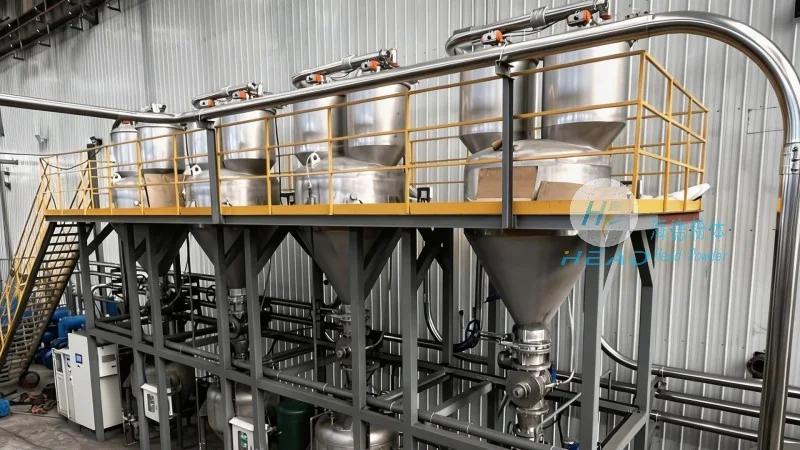
Key Features of Soybean Meal Pneumatic Conveying Systems
Several distinct features make soybean meal pneumatic conveying lines an attractive option for material handling. Firstly, they offer high efficiency in terms of speed and capacity. The air-driven system allows for rapid transport of large volumes of soybean meal, often at rates that exceed traditional mechanical conveyors. This is particularly beneficial in high-throughput production environments where timely material transfer is critical. Secondly, these systems provide excellent flexibility in layout. The use of flexible pipes and adjustable components enables the conveyor to be installed in various configurations, adapting to the spatial constraints of different facilities. This adaptability is crucial for retrofitting existing plants or designing new production lines. Thirdly, the systems are designed for minimal material degradation. Unlike mechanical conveyors that may cause friction or impact, pneumatic systems use air to move the material, reducing the risk of breakage or contamination. This is vital for maintaining the nutritional value and quality of soybean meal, which is sensitive to physical damage. Additionally, the equipment is generally low in maintenance. The absence of moving parts in the main conveying path reduces wear and tear, leading to lower operational costs and longer service life. The use of durable materials and robust construction further enhances the reliability of the system, ensuring consistent performance over extended periods.
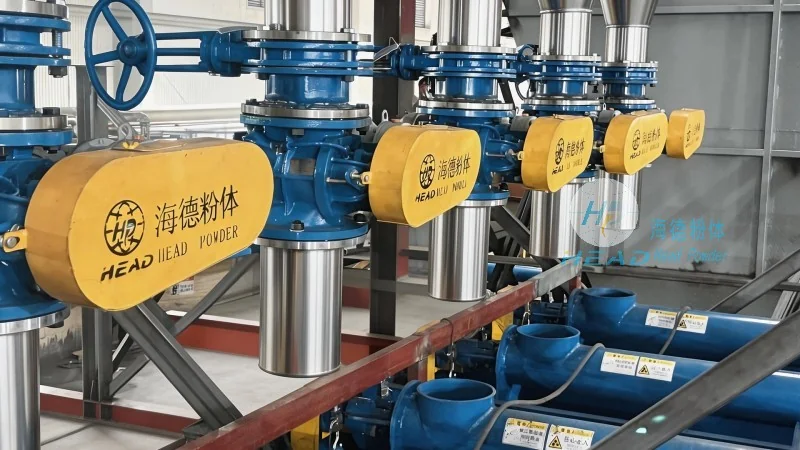
Operational Advantages and Applications
The operational advantages of soybean meal pneumatic conveying lines extend to various industrial applications. In animal feed production, these systems efficiently transport soybean meal from storage silos to mixing and extrusion units, ensuring a consistent supply of raw material. In food processing, they can move the ingredient to blending or packaging lines, maintaining product quality and reducing downtime. The systems are also suitable for use in agricultural processing facilities, where they help streamline the handling of bulk soybean meal from processing plants to distribution centers. The ability to handle large volumes and maintain material integrity makes them ideal for both large-scale and medium-scale operations. Furthermore, the systems are designed to be hygienic and easy to clean, which is essential in food processing environments where compliance with health and safety regulations is mandatory. The enclosed nature of the conveying system prevents contamination from external sources, ensuring that the soybean meal remains clean and safe for consumption.
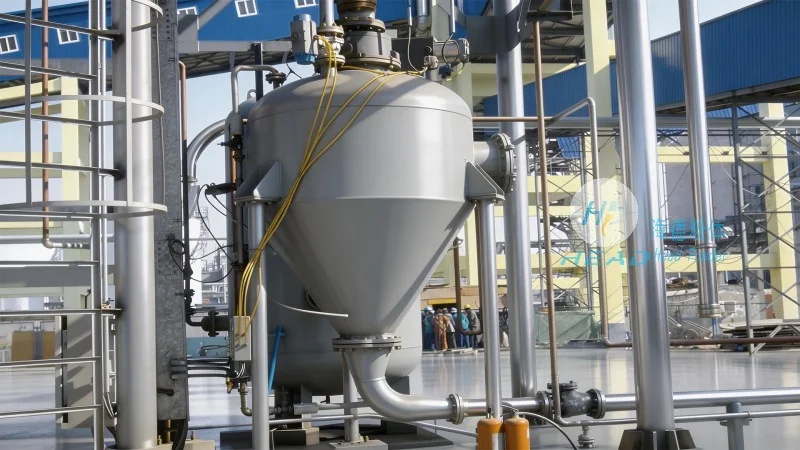
Company Profile: Shandong HeadPowder Engineering Co., Ltd.
HeadPowder, as a leading manufacturer of pneumatic conveying equipment, specializes in providing customized solutions for bulk material handling. With a focus on innovation and quality, the company has developed advanced soybean meal pneumatic conveying systems that meet the demands of modern industrial applications. HeadPowder's products are engineered to deliver high performance, reliability, and efficiency, ensuring that clients can achieve optimal material transfer in their operations. The company's commitment to customer satisfaction and technical excellence has established it as a trusted partner in the industry, serving clients across China and beyond. HeadPowder's facilities are located in Shandong, China, where the company leverages local expertise and resources to develop cutting-edge solutions for material handling challenges. The company's team of engineers and technicians continuously researches and improves its products, incorporating the latest technological advancements to enhance the functionality and durability of the conveying systems. This dedication to innovation ensures that HeadPowder's soybean meal pneumatic conveying lines remain at the forefront of the industry, offering superior performance and long-term value to its clients.