

Working Principle and Features of Bottom-Air Conveying Systems in Warehouses
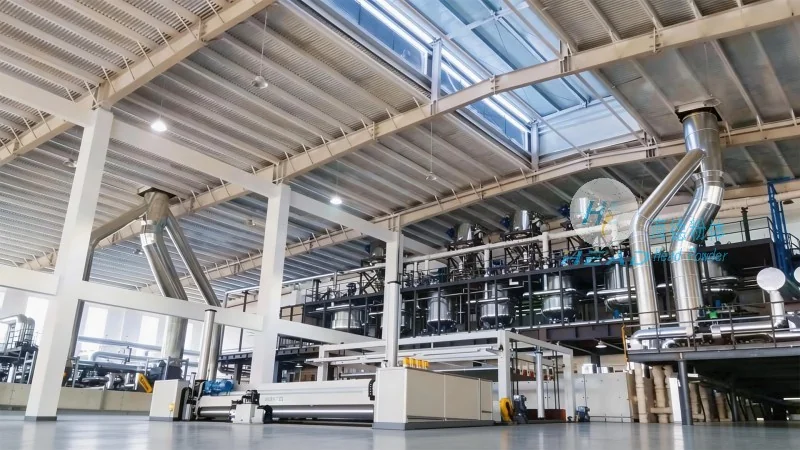
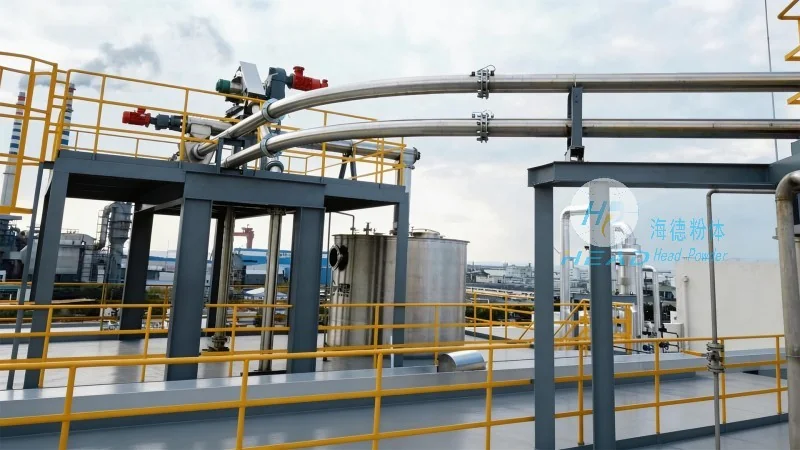
Bottom-air conveying systems, also known as pneumatic conveying systems, operate by utilizing air pressure to transport bulk materials within a warehouse environment. The core mechanism involves the creation of a high-velocity air stream that moves through a pipeline, carrying the material particles along with it. This process is typically achieved through a combination of components including an air compressor, a hopper for material loading, and a series of ducts designed to direct the material to its destination. The system works by introducing the material into the pipeline at a controlled rate, where it is then entrained by the air flow. As the material travels through the ducts, it is suspended and transported efficiently, often reaching distances of several hundred meters depending on the system design and material properties.
Key Features of Bottom-Air Conveying Systems
Bottom-air conveying systems offer several distinct advantages that make them a preferred choice for material handling in various industries. Firstly, they provide a non-contact method of material transport, which minimizes product damage and contamination, especially critical for sensitive materials like food or pharmaceuticals. Secondly, the enclosed nature of the system effectively reduces dust emissions and improves workplace safety, aligning with environmental regulations and occupational health standards. Thirdly, these systems are energy-efficient, with lower operational costs compared to traditional mechanical conveyors, as they rely on compressed air rather than moving parts that require frequent maintenance. Additionally, the compact design of bottom-air conveyors allows for flexible installation in confined warehouse spaces, and their modular construction enables easy expansion or modification to accommodate changing production needs.
Company Introduction: Shandong HeadPowder Engineering Co., Ltd.
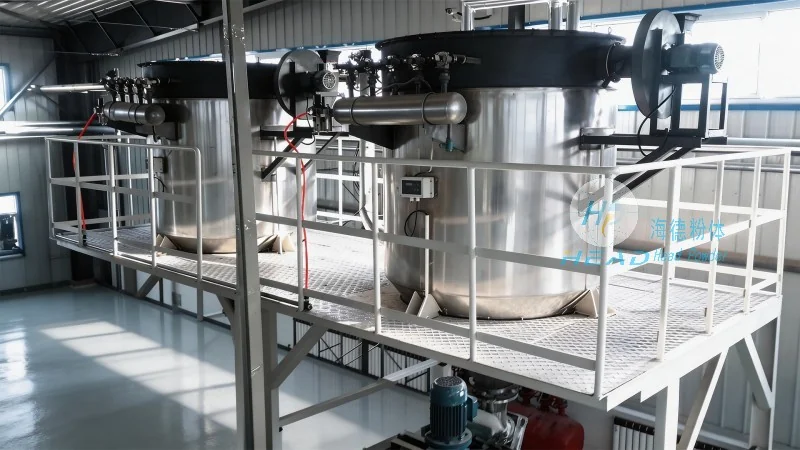
Shandong HeadPowder Engineering Co., Ltd., commonly referred to as headpowder, is a leading manufacturer of advanced material handling equipment specializing in bottom-air conveying systems. Headquartered in Shandong, China, the company has established itself as a trusted provider of high-quality, customized solutions for bulk material transport. With a strong focus on research and development, headpowder leverages cutting-edge technology to design and produce conveyors that meet the diverse requirements of industries such as food processing, chemical manufacturing, and agriculture. The company's commitment to quality, reliability, and customer satisfaction has earned it a reputation for delivering durable and efficient equipment that enhances operational efficiency and reduces downtime for clients worldwide.
Application Scenarios and Advantages in Warehouse Operations
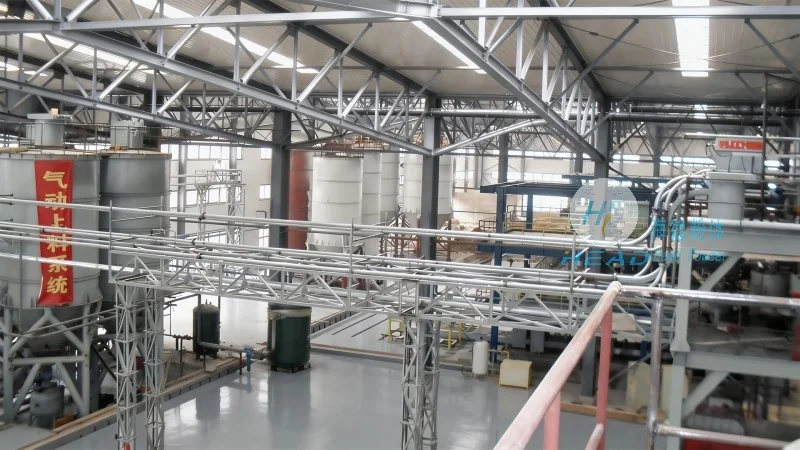
In warehouse operations, bottom-air conveying systems are widely used to streamline the movement of bulk materials from storage areas to processing lines or packaging stations. For example, in grain storage facilities, these systems efficiently transfer harvested crops from silos to processing equipment, ensuring a continuous flow of material without the need for manual handling. Similarly, in pharmaceutical warehouses, bottom-air conveyors transport powders and granules with precision, maintaining strict hygiene standards and preventing cross-contamination. The advantages of such systems extend beyond efficiency, as they also contribute to improved safety by eliminating the need for workers to handle heavy or hazardous materials manually. Furthermore, the ability to integrate with existing warehouse infrastructure makes bottom-air conveyors a cost-effective upgrade for businesses looking to modernize their material handling processes.