

Working Principle and Features of Pneumatic Conveying Equipment for Food Additives
HeadPowder, a leading manufacturer based in Shandong, China, specializes in providing advanced pneumatic conveying solutions tailored for the food additive industry. This equipment is designed to handle various food additives efficiently and safely, ensuring compliance with stringent industry standards. The following sections will explore the working principle and key features of such systems.
The Working Principle of Pneumatic Conveying Equipment
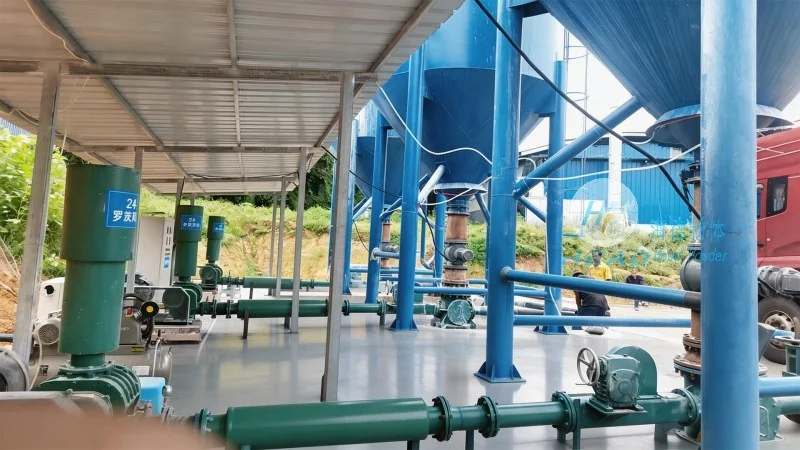
Pneumatic conveying systems operate by using air or gas to transport bulk materials, including food additives, from one location to another. The process typically involves a hopper or storage silo where the additive is stored. An air compressor generates the necessary pressure to move the material through a pipeline. The system can be categorized into two main types: dilute phase and dense phase, each with distinct operational characteristics. In dilute phase systems, the material is suspended in the air stream, allowing for high-velocity transport over longer distances. Dense phase systems, on the other hand, use lower air velocities and higher material concentrations, which is ideal for delicate or sensitive additives that require gentle handling. The equipment includes components such as a feed hopper, rotary valve, air compressor, and conveying pipeline, all working in tandem to ensure smooth material transfer. The control system monitors pressure, flow rate, and other parameters to maintain optimal performance and prevent blockages or material degradation.
Key Features of Food Additive Pneumatic Conveying Equipment
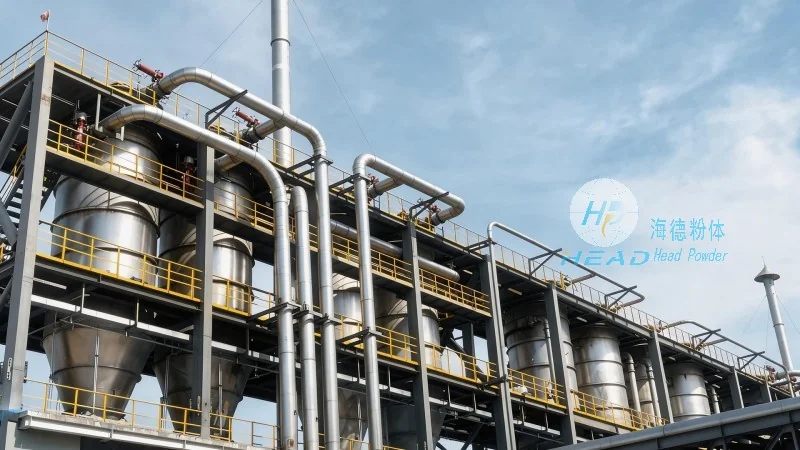
HeadPowder's pneumatic conveying equipment for food additives is engineered with several key features that enhance its performance and reliability. First, the equipment is constructed from food-grade materials, such as stainless steel, to meet hygiene and safety requirements. This ensures that the additives remain uncontaminated during transport. Second, the system is designed for easy cleaning and maintenance, with components that can be disassembled and sanitized to prevent cross-contamination. Third, the equipment offers flexible conveying capabilities, allowing for horizontal, vertical, or inclined transport depending on the layout of the facility. This adaptability makes it suitable for various production environments. Fourth, the control system incorporates advanced technology, such as sensors and automation, to optimize energy consumption and reduce operational costs. Additionally, the equipment is equipped with safety features, including pressure relief valves and emergency shut-off mechanisms, to protect both the system and the personnel operating it. These features collectively contribute to the efficiency and safety of the food additive handling process.
Benefits of Using Pneumatic Conveying for Food Additives
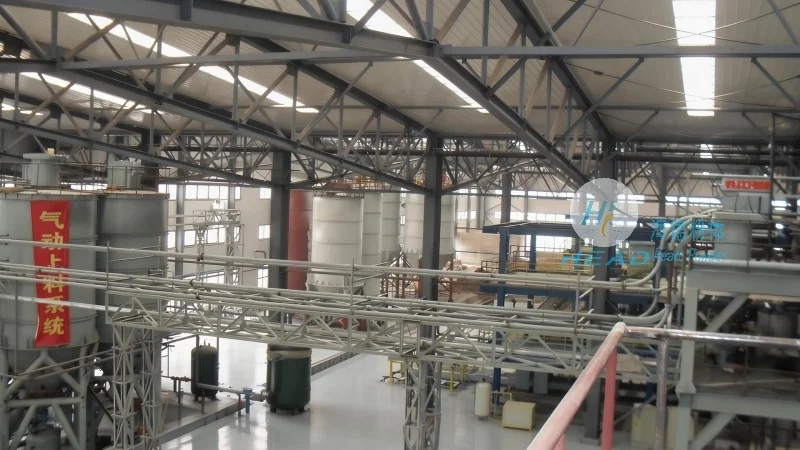
Implementing pneumatic conveying equipment for food additives offers numerous benefits for food processing facilities. One of the primary advantages is the ability to handle a wide range of additive types, from powders to granules, with minimal product degradation. The gentle handling reduces the risk of agglomeration or particle breakage, which can affect the quality and functionality of the additives. Another benefit is the hygienic design of the equipment, which minimizes the risk of contamination from external sources. This is crucial in the food industry, where product safety is paramount. Furthermore, the system's ability to transport materials in a closed loop reduces dust emissions and improves workplace safety. This not only enhances the working environment but also complies with environmental regulations. The energy efficiency of the system, particularly in dense phase operations, helps reduce operational costs over time. Finally, the flexibility of the conveying system allows for easy integration with existing production lines, minimizing downtime during installation and operation.
Conclusion
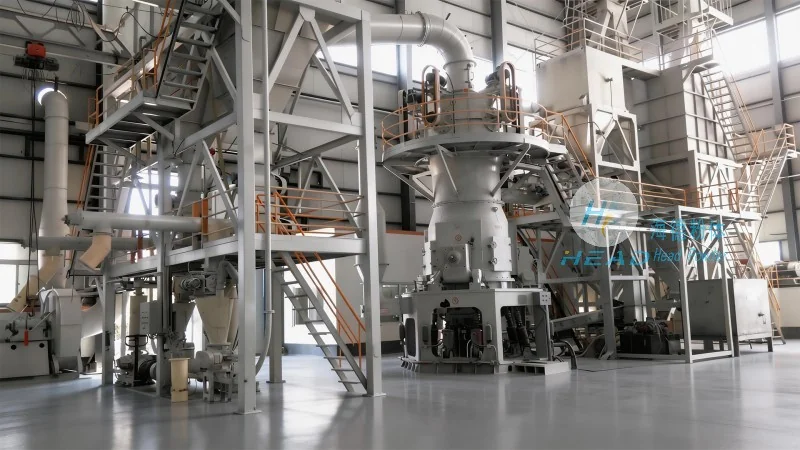
HeadPowder's pneumatic conveying equipment for food additives combines advanced technology with robust design to provide efficient, safe, and hygienic material handling solutions. By understanding the working principle and key features of these systems, food processing facilities can make informed decisions to enhance their production processes. The equipment's ability to handle various additives while maintaining product quality and safety makes it an essential component in modern food additive handling operations. With its commitment to quality and innovation, HeadPowder continues to be a trusted partner in the food industry, delivering reliable solutions that meet the evolving needs of food processing.