

Working Principle and Features of Negative Pressure Suction Type Pneumatic Conveying System Equipmen
HeadPowder, a leading manufacturer based in Shandong, China, specializes in the design, production, and supply of advanced negative pressure suction type pneumatic conveying systems. These systems are engineered to efficiently transport bulk materials over long distances with minimal maintenance and operational costs.
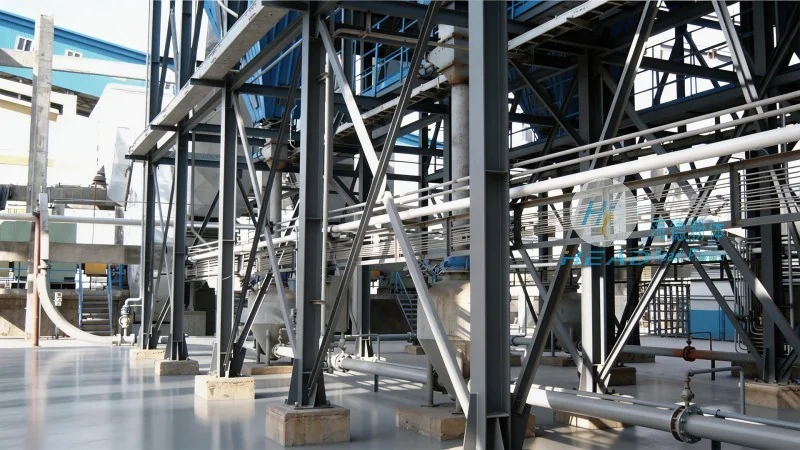
Overview of Negative Pressure Suction Type Pneumatic Conveying Systems
Negative pressure suction type pneumatic conveying systems operate by creating a vacuum or negative pressure within the conveying line. This vacuum draws the material from the source, such as a hopper or silo, into the system using air as the conveying medium. The system is particularly effective for handling fine, dusty, or abrasive materials, making it a preferred choice in industries like food processing, pharmaceuticals, and chemical manufacturing.
Working Principle of the System
The core mechanism of a negative pressure suction type system involves several key components working in tandem. The process begins with the material being fed into the hopper or source container. A fan or blower then generates a vacuum in the conveying line, which pulls the material along with the air stream. The material is transported through the pipeline to the discharge point, where the air and material are separated. The air is typically filtered and recycled, while the material is collected in the receiving container. This continuous cycle ensures efficient material transfer without the need for mechanical components like screws or belts.
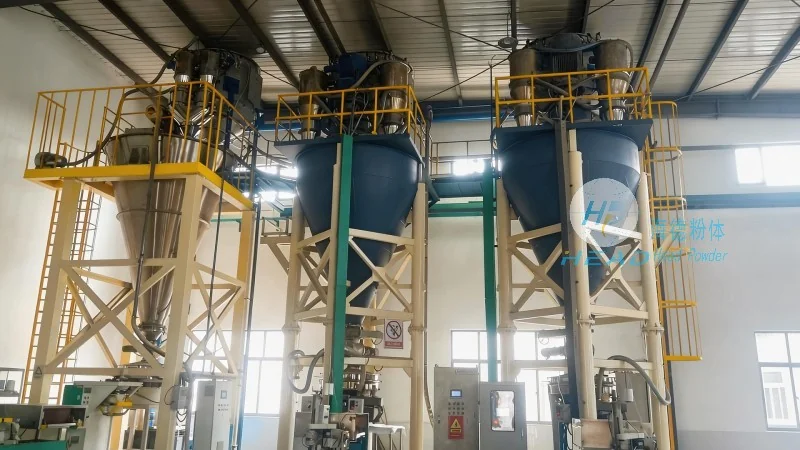
Key Features and Advantages
One of the primary advantages of negative pressure suction type pneumatic conveying systems is their ability to handle a wide range of materials, including powders, granules, and even wet or sticky substances. The system’s design minimizes material degradation and contamination, which is crucial for industries with strict quality standards. Additionally, the negative pressure operation reduces the risk of dust emissions and improves workplace safety. The system is also highly flexible, allowing for easy integration with existing production lines and the ability to adjust conveying rates based on material characteristics and process requirements.
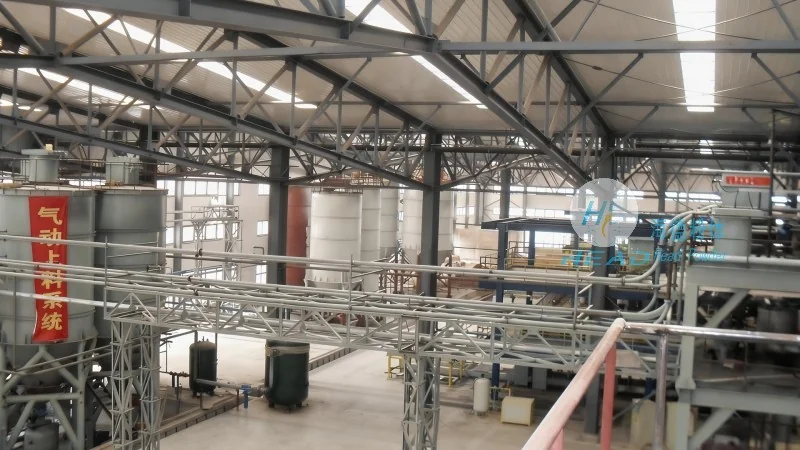
Applications and Industries
These systems are widely used across various industries due to their versatility and efficiency. In the food industry, they are used to transport ingredients like flour, sugar, and spices, ensuring hygienic and contamination-free handling. The pharmaceutical sector benefits from the system’s ability to handle sensitive materials without compromising purity. In chemical manufacturing, the systems are employed to convey powders and granules, supporting processes like mixing, blending, and packaging. The system’s adaptability makes it suitable for both small-scale and large-scale operations, from laboratory settings to industrial production lines.
Installation and Maintenance Considerations
Proper installation and regular maintenance are essential to ensure the optimal performance and longevity of negative pressure suction type pneumatic conveying systems. The system should be installed with appropriate piping and fittings to minimize pressure losses and ensure smooth material flow. Regular cleaning of the conveying line and filters is necessary to prevent clogging and maintain efficiency. HeadPowder provides comprehensive support, including installation guidance and maintenance services, to help clients maximize the system’s operational life and minimize downtime.