

Working Principle and Features of Phosphoric Acid Calcium Hydrogen Gas-Pneumatic Conveying System Eq
Phosphoric acid calcium hydrogen gas-pneumatic conveying systems are specialized equipment designed for the efficient and safe transportation of phosphoric acid calcium hydrogen, a key material in the chemical and agricultural industries. These systems utilize pneumatic technology to move bulk materials through a pipeline network, offering advantages over traditional mechanical conveying methods. The following sections will explore the working principle and key features of such systems, highlighting their importance in industrial applications.
Working Principle of Phosphoric Acid Calcium Hydrogen Gas-Pneumatic Conveying Systems
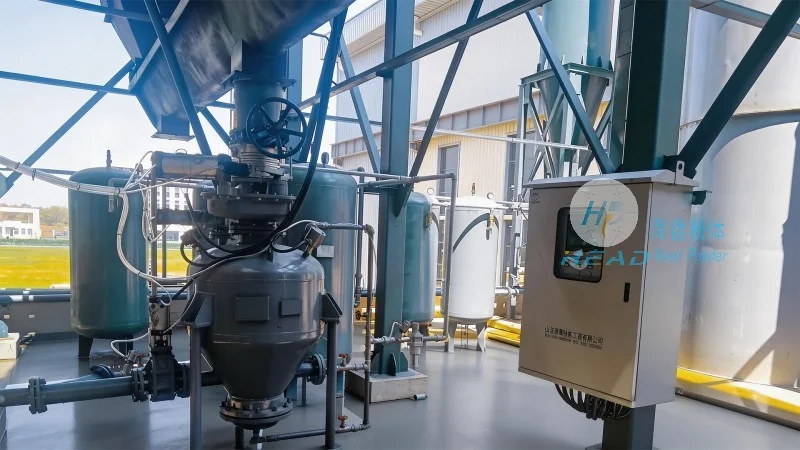
The core mechanism of a phosphoric acid calcium hydrogen gas-pneumatic conveying system involves the use of compressed air or other gas to create a flow that propels the material through a pipeline. The process typically begins with the material being loaded into a hopper or storage silo. From there, the material is drawn into a conveying line by the pressure differential created by the moving air. The system often includes components such as a rotary airlock valve, which regulates the flow of material into the pipeline, and a venturi or eductor that enhances the air flow to ensure consistent material transport. The compressed air, which may be filtered and regulated to maintain optimal pressure, is introduced at the inlet of the conveying line. As the air flows through the pipeline, it carries the phosphoric acid calcium hydrogen particles, moving them from the source to the destination. The system may also incorporate a dust collection or filtration unit to ensure the air is clean and the material is free from contaminants before release at the discharge point.
Key Features of Phosphoric Acid Calcium Hydrogen Gas-Pneumatic Conveying Systems
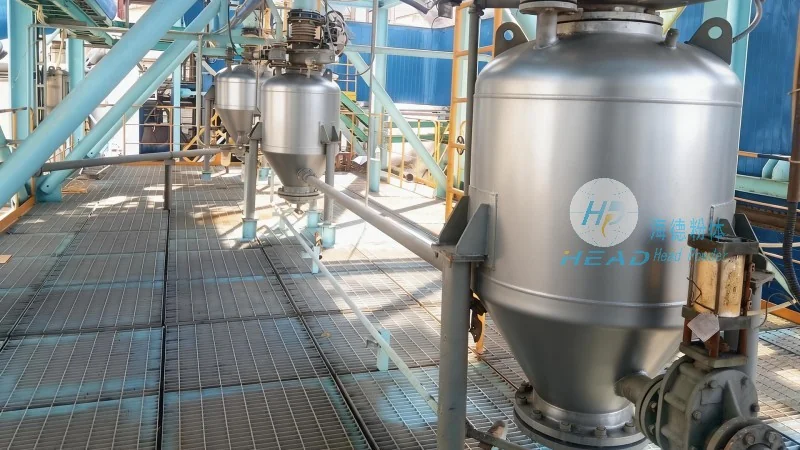
Phosphoric acid calcium hydrogen gas-pneumatic conveying systems are characterized by several notable features that enhance their performance and reliability. One of the primary advantages is their ability to handle abrasive or corrosive materials like phosphoric acid calcium hydrogen without causing wear or damage to the equipment. The system's design minimizes direct contact between the material and metal surfaces, reducing the risk of corrosion and extending the lifespan of components. Additionally, these systems offer high efficiency in terms of material throughput, with the ability to transport large volumes of material over long distances with minimal energy consumption. The pneumatic nature of the system also allows for flexible installation, as the pipeline can be routed around obstacles or through different levels of a facility. Another key feature is the system's ability to maintain a consistent flow rate, which is crucial for maintaining product quality and preventing clogging. The use of advanced control systems, such as pressure sensors and flow meters, allows for real-time monitoring and adjustment of the conveying process, ensuring optimal performance. Furthermore, the systems are designed with safety in mind, incorporating features like explosion-proof components and emergency shut-off valves to protect operators and the environment.
Applications and Benefits in Industrial Settings
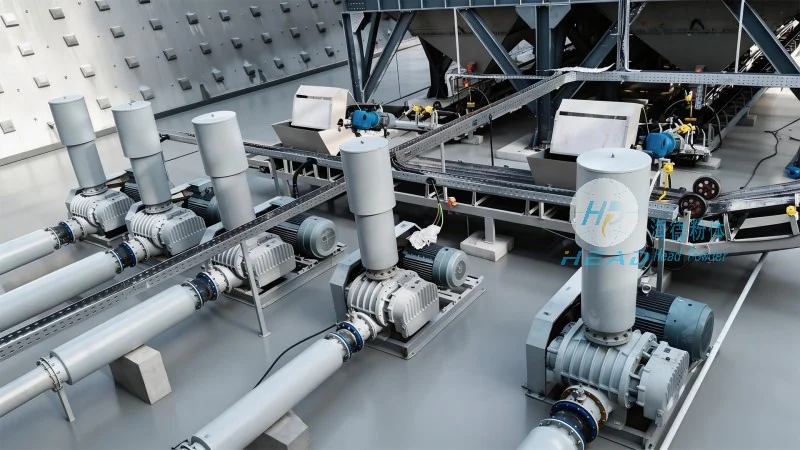
Phosphoric acid calcium hydrogen gas-pneumatic conveying systems are widely used in various industrial applications, particularly in the chemical and agricultural sectors. In chemical manufacturing, these systems are essential for transporting raw materials and finished products, such as phosphoric acid calcium hydrogen, between processing units and storage facilities. The systems help streamline production processes, reducing downtime and improving overall efficiency. In agricultural applications, they are used to transport fertilizers and other agricultural chemicals, ensuring that materials are delivered to farms and processing plants in a timely and reliable manner. The benefits of using such systems extend beyond efficiency; they also contribute to environmental sustainability by reducing the need for manual handling and minimizing the risk of material spills or contamination. The systems are also designed to be low-maintenance, with components that are easy to replace and service, reducing operational costs over time.
Conclusion
Phosphoric acid calcium hydrogen gas-pneumatic conveying systems represent a sophisticated solution for the transportation of bulk materials in industrial settings. By leveraging pneumatic technology, these systems offer high efficiency, flexibility, and reliability, making them an ideal choice for handling materials like phosphoric acid calcium hydrogen. The working principle, which involves the use of compressed air to move material through a pipeline, combined with key features such as corrosion resistance, consistent flow, and safety measures, ensures that these systems perform effectively in demanding environments. As industries continue to seek more efficient and sustainable methods of material handling, the importance of phosphoric acid calcium hydrogen gas-pneumatic conveying systems will only grow. For companies operating in the chemical or agricultural sectors, investing in such systems can lead to improved productivity, reduced costs, and enhanced safety, making them a valuable asset in modern industrial operations.